KEY POINTS
- Energy Ventures plans to utilise about 5 MMscf/d of gas currently being flared in Agbada.
- The gas will be converted into electricity and cooking gas for nearby communities.
- The Agbada project is expected to serve as a pilot for similar flare-gas projects in Nigeria and abroad.
Dutch company Energy Ventures B.V. has begun plans to convert gas currently being flared in Rivers State into electricity and Liquefied Petroleum Gas, potentially turning a long-standing environmental problem into an energy source for local communities.
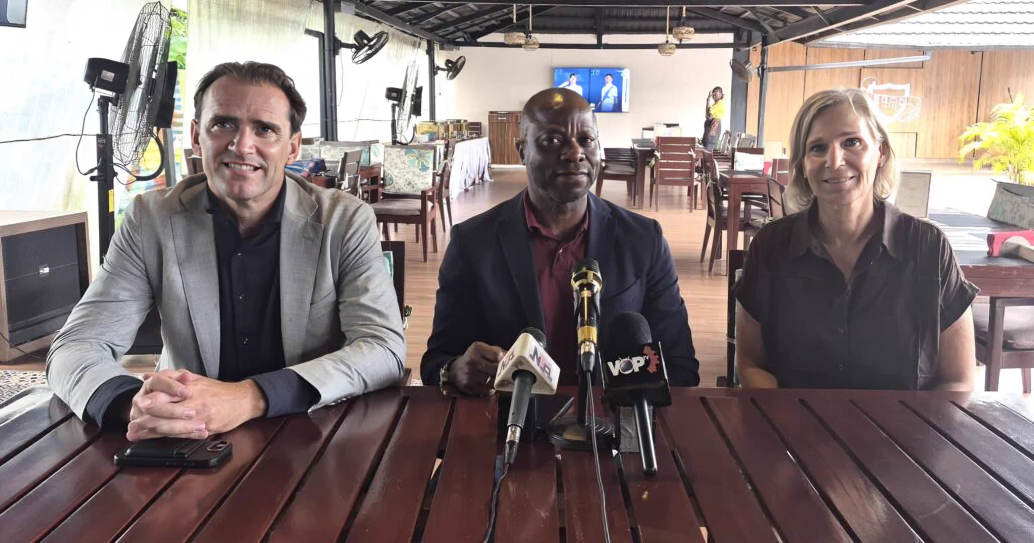
The company’s Chief Executive Officer, Herbert Okibe, disclosed the development during an inspection of the proposed project site at Agbada 2 in Igwuruta, near Port Harcourt, and a visit to the headquarters of the Port Harcourt Electricity Distribution Company.
Okibe said the project would capture about 5 million standard cubic feet of gas per day that is currently being flared in the area.
Rather than allowing the gas to be burnt off, the company plans to process it for use in electricity generation and LPG production.
The resulting energy, according to the company, would be supplied to consumers and communities around the project area, particularly those that remain underserved by existing energy infrastructure. The project is being developed by Africa Gas Technology Company Limited, the Nigerian subsidiary of Energy Ventures.
Okibe said the Agbada facility is designed as a pilot project that could demonstrate whether flare gas can be commercially and technically converted into useful energy on a larger scale.
The company intends to use the experience gained from the project as a basis for developing similar facilities in other gas-producing and gas-flaring locations across Nigeria and potentially other parts of the world.
He said the initiative was driven by the need to find productive uses for gas that would otherwise be wasted through continuous flaring.
The project could also provide an additional source of electricity and cooking gas to communities around the facility if construction and regulatory processes are completed as planned.
Company cites environmental and health concerns
Energy Ventures said the Agbada project is particularly significant because gas flaring has reportedly continued in the area for more than 60 years.
Okibe linked prolonged flaring to environmental pollution and respiratory health concerns among communities located around oil and gas production areas.
He described the project as an effort to begin addressing the environmental consequences associated with long-term flaring while also creating useful energy from the gas.
Nigeria has continued to face challenges in reducing routine gas flaring despite its substantial natural gas reserves. Energy Ventures said the country has more than 100 locations where significant volumes of gas are still being flared.
Okibe also placed Nigeria’s flaring challenge within a broader global context, noting that several oil-producing countries face similar difficulties in capturing and commercialising associated gas. The Agbada development is expected to require an investment running into tens of millions of dollars.
According to Okibe, funding will come from a combination of private-sector and public-sector sources.
He also commended the Federal Government for measures aimed at reducing gas flaring, particularly regulatory interventions and provisions under the Petroleum Industry Act.
The company said it has already completed its Environmental Impact Assessment for the project and secured regulatory approval from relevant midstream and downstream authorities.
Those approvals represent an important step toward moving the development from planning into full construction.
Energy Ventures also met with the management of the Port Harcourt Electricity Distribution Company as part of efforts to establish the electricity-distribution component of the project.
Okibe said the company had received approval from the PHED board to engage the Nigerian Electricity Regulatory Commission on the necessary permit for the electricity component.
The engagement is expected to help determine how electricity generated from the recovered flare gas can be integrated into the distribution system and delivered to consumers.
The company said preliminary activities had already started at the project location, including fencing of the site.
However, full construction is expected to commence after the required construction permit is secured.