KEY POINTS
- H&P and ExxonMobil plan seven additional drilling robots.
- The rollout will increase ExxonMobil’s total to nine systems.
- FlexRobotics aims to improve safety and drilling efficiency.
Helmerich & Payne (H&P) and ExxonMobil are expanding the use of robotic technology in drilling operations, as the companies seek to improve workplace safety, operational efficiency and consistency across oil and gas activities.
H&P announced the expansion on October 7, 2026, saying ExxonMobil would deploy seven additional FlexRobotics systems over the next 12 months. The move will increase the number of systems operating for ExxonMobil from two to nine.
The expansion builds on the companies’ existing collaboration and supports ExxonMobil’s broader strategy of introducing advanced technologies across its drilling operations. H&P said the additional FlexRobotics systems would be deployed on its drilling rigs over the next year, extending the technology’s use beyond the initial two installations.
The expansion marks another step in the companies’ efforts to integrate automation into oilfield operations. By increasing the number of systems in use, ExxonMobil aims to build on the experience gained from the initial deployments and extend the benefits of robotic technology across more drilling activities.
H&P President and Chief Executive Officer Trey Adams said the expanded deployment demonstrated the value automation could bring to modern drilling operations.
He added that the company was pleased to deepen its collaboration with ExxonMobil and support the wider adoption of FlexRobotics technology.
The planned rollout will bring the total number of FlexRobotics systems operating for ExxonMobil to nine once all seven additional units are deployed.
How FlexRobotics improves drilling operations
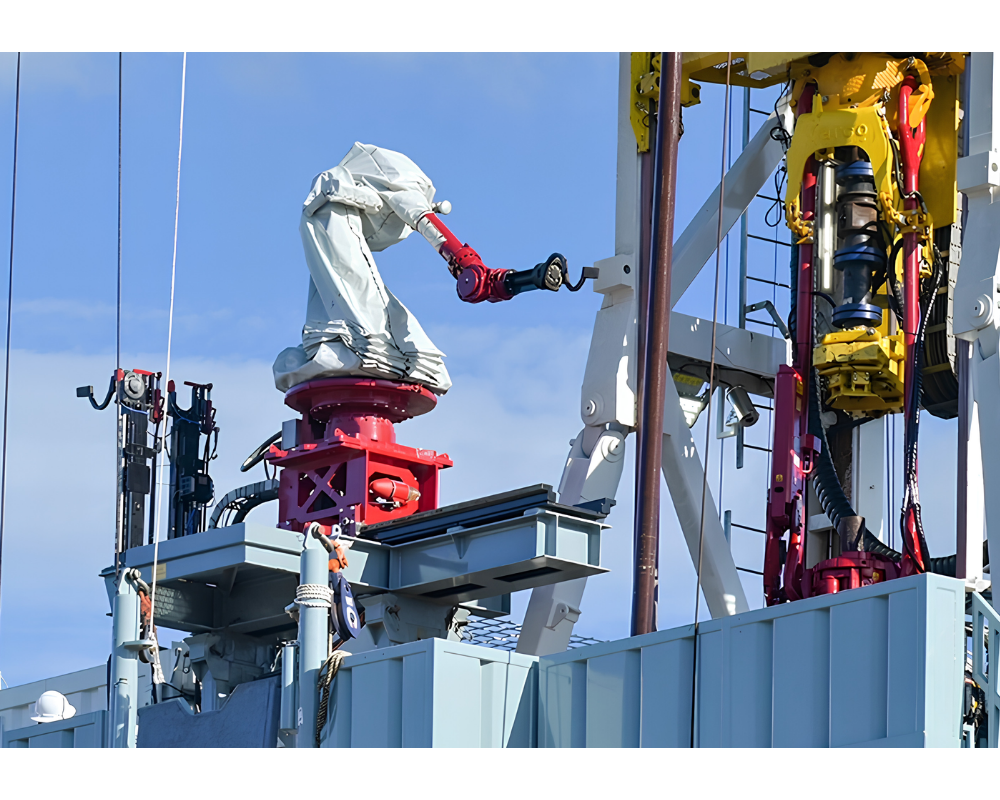
FlexRobotics is designed to automate repetitive tasks performed on drilling rig floors. These activities can expose workers to potentially hazardous conditions, particularly when they involve handling equipment and carrying out routine manual operations.
By automating selected tasks, the technology can reduce the need for personnel to work close to high-risk activities. It is also intended to improve precision, consistency and efficiency during drilling operations.
The system forms part of H&P’s wider automation portfolio, which includes technologies developed to improve drilling performance and operational reliability.
Automation can help drilling companies standardise repetitive activities, reduce variations in how tasks are performed and support more consistent operations. However, the technology is intended to complement the wider drilling workforce and safety procedures rather than eliminate the need for personnel across rig operations.
For ExxonMobil, expanding the technology’s deployment offers an opportunity to apply lessons from the initial installations while advancing its use of automated equipment.
ExxonMobil Senior Vice President for Unconventional Operations Bart Cahir said the company was focused on expanding technologies that make its operations safer, more efficient and more consistent.
He said the wider deployment of FlexRobotics would build on lessons from the first installations and contribute to efforts to improve drilling performance.
The expansion reflects a broader push across the oil and gas industry to use automation and advanced equipment to manage operational risks, improve productivity and make better use of resources.
Drilling operations often involve repetitive tasks carried out in demanding environments. Automating some of these activities can help reduce workers’ exposure to hazards while supporting more reliable execution.
For ExxonMobil, the next phase of deployment will test the technology across a larger number of operations and provide further experience that could inform future automation decisions. Founded in 1920, H&P designs, manufactures and operates drilling rigs for conventional and unconventional oil and gas developments around the world.
The company also develops technologies covering automation, directional drilling and survey management, positioning it as both a drilling contractor and a provider of specialised oilfield technology.
The expanded arrangement with ExxonMobil strengthens H&P’s role in supplying automated drilling solutions to major energy companies.
The planned deployment is expected to take place over the next 12 months. H&P noted that forward-looking plans remain subject to risks and uncertainties that could cause actual outcomes to differ from expectations.
The expansion highlights how oil and gas companies are increasingly incorporating robotics into drilling operations, with workplace safety, operational consistency and efficiency among the main objectives.