

Oil majors are set to post a big jump in third quarter profit as the war on Iran boosts refining and trading results, and investors will watch whether they use the extra cash wisely or give in to a spending spree.
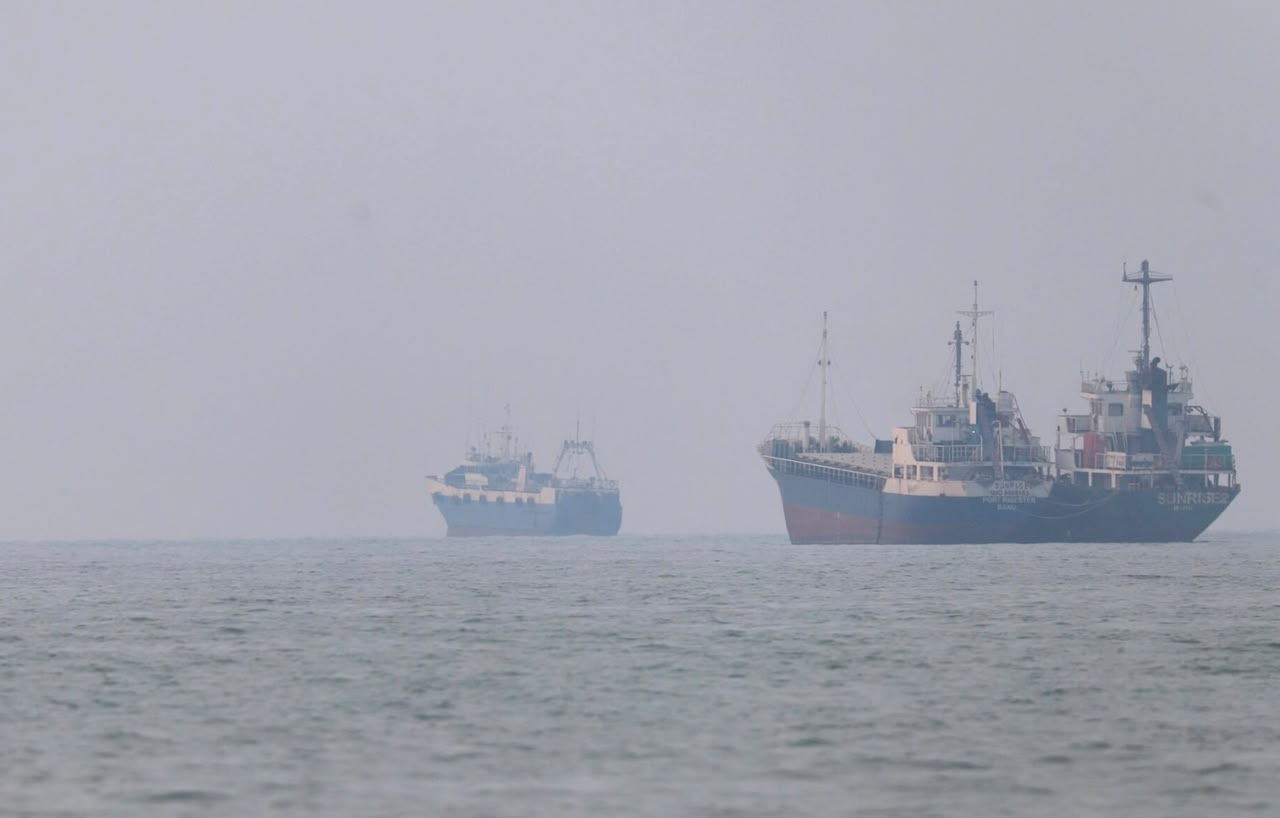
The disruption of the Strait of Hormuz since U.S. and Israeli airstrikes began the war in February has pushed energy prices to multi year highs and let trading desks profit from the volatility. Majors report third quarter results at the end of the month.
Why oil majors face a spending test
RBC Capital Markets estimates that the five largest Western majors, BP, Chevron, Exxon Mobil, Shell and TotalEnergies, will report combined third quarter profits of about $53 billion, up from $48 billion in the second quarter.
Refining is the driver. Shell, BP and TotalEnergies expect refining margins to rise three to fourfold from a year earlier, with Shell guiding to a record $42 a barrel. TotalEnergies expects cash flow from refining and chemicals to double to about $4 billion from the previous quarter, and Exxon expects a $4.5 billion boost from downstream.
Exxon stands to benefit most because it has the largest refining capacity among the majors, roughly 4 million barrels a day. Over the past decade, the industry cut its refining exposure on worries about emissions, weak returns and uncertain fuel demand.
Debt first, buybacks later
So far, the majors have been cautious. Chevron and Exxon have used cash to pay down debt, and BP is rebuilding its balance sheet. Citi data show BP’s net debt to operating cash flow falling from 1.7 times at the end of 2025, the highest among the five, to an expected 0.8 times in the third quarter.
BP’s underlying profit could top $7 billion, against $5.7 billion in the second quarter, according to TPH. HSBC expects BP to keep reducing debt, hold capital spending steady and not resume buybacks before 2028.
Shell is the exception. HSBC expects it to announce a fourth quarter buyback of $3.5 billion, up from about $3 billion a quarter now.
Politics and the next decade
The profits are also a political issue. In August, President Donald Trump said Exxon and Chevron were making too much money from high fuel prices, while Sen. Bernie Sanders has called for a windfall tax and said Big Oil is $125 billion richer this year. The American Petroleum Institute says windfall taxes do not lower prices for consumers.
Analysts also ask where new money should go. Reuters columnist Ron Bousso wrote last month that the conflict strengthens the case for steering capital toward the Atlantic Basin, Africa and Asia instead of the Middle East.
Nigeria, which opened a 40 block licensing round this month and wants to raise output to 3 million barrels a day by 2030, is among the African producers hoping some of that cash lands on its acreage.
The test is simple. With crude above $100, will majors hold the line on costs, or let windfall cash reopen the old boom and bust habits?