KEY POINTS
- ExxonMobil is shutting its 2002 Jurong Island steam cracker next year as oversupply and weak margins squeeze Asian petrochemical producers.
- The company is consolidating operations around newer, more efficient crackers in Singapore and China while cutting naphtha imports.
- The move fits a wider industry trend of rationalising ageing assets and restructuring portfolios amid sustained pressure from China’s expanding petrochemical capacity.
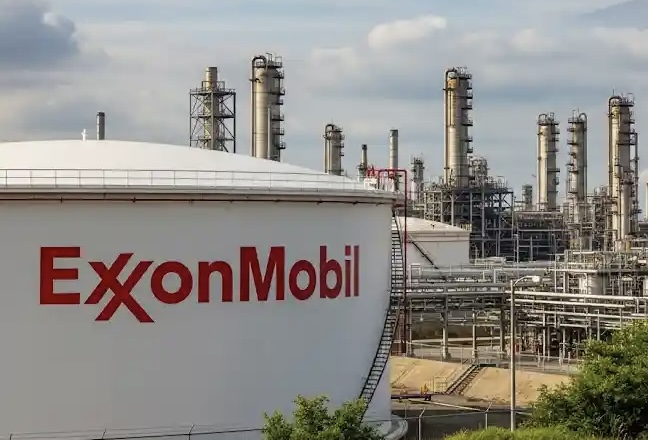
ExxonMobil has begun winding down its oldest steam cracker on Singapore’s Jurong Island, marking a significant shift in the company’s Asian petrochemicals strategy at a time of persistent oversupply and narrowing margins across the region.
The 2002-built facility, which has been a core part of ExxonMobil’s operations on the island for more than twenty years, is expected to start shutting from March, with full closure pencilled in for June, according to people with knowledge of the matter.
The move comes after several quarters of financial strain for Asian petrochemical producers, whose margins have remained below breakeven levels as China brings large integrated complexes on stream and intensifies competition.
ExxonMobil has not publicly confirmed the shutdown, saying only that it does not comment on market speculation.
Yet operational signs over the past two years suggest a long-planned retreat from the older asset. Term-contract volumes to Singaporean customers have been tapered gradually, and traders in the region have grown accustomed to lower allocations from the company since 2023.
Consolidation Gathers Pace as Margins Stay Depressed
Analysts say the shutdown will likely redirect demand to Singapore’s remaining ethylene suppliers. ExxonMobil operates two crackers on Jurong Island, and production will now be concentrated around the newer 1.1 million tonnes-per-year unit, commissioned in 2013.
The shift also aligns with a broader realignment, including the start-up of a 1.6 million tonnes-per-year cracker in Huizhou, China, earlier this year, part of the company’s strategy to consolidate output in larger, more efficient locations.
The phase-out is expected to reshape feedstock flows as well. Ship-tracking data from Kpler indicates that ExxonMobil imported roughly 1.5 million tonnes of naphtha into Singapore in the first eleven months of 2025, a steep drop from nearly 2.5 million tonnes in 2024.
Traders anticipate a sharper decline as the shutdown accelerates. Analysts note that while the company may consider purchasing external olefins to support downstream units, such arrangements would only be tenable if feedstocks are available at deep discounts.
The decision mirrors actions taken by other producers in South Korea and across Asia, where years of chronic oversupply and intensifying Chinese competition have forced companies to rationalise older units and focus on integrated, lower-cost assets that can better withstand cyclical downturns.
ExxonMobil’s reorganisation in Singapore is part of a broader reshaping of its regional portfolio. The company has previously announced plans to trim its workforce in the country by up to 15 percent by 2027. It has also agreed to sell its petroleum retail business to Indonesia’s Chandra Asri, another sign of its intent to streamline non-core activities.
Yet the company is not retreating entirely. In September, it commissioned a new refining unit at its 592,000 barrels-per-day Singapore refinery, underscoring continued investment in parts of its downstream operations that remain profitable and strategically important.
The retirement of the 2002 Jurong cracker marks another step in the structural adjustments sweeping through the global petrochemicals chain. With rising capacity in China and shifts in demand patterns across Asia, producers are increasingly prioritising large, efficient plants while shuttering assets that can no longer justify their operating costs.
ExxonMobil’s latest move reflects that calculus, setting the stage for a tighter, more cost-effective footprint in one of the world’s key petrochemical hubs.