

KEY POINTS
- Dangote Refinery has begun nationwide petrol sales at a fixed price of ₦739 per litre through MRS stations, aiming to stabilise the market and offer consumer relief.
- The move, supported by a guaranteed 50-million-litre daily supply, is designed to reduce Nigeria’s fuel import dependency, conserve foreign exchange, and curb seasonal scarcity.
- The refinery has warned against artificial price inflation, urging regulatory action and consumer vigilance, while securing a key partnership with the nation’s largest marketers’ association (IPMAN) to ensure widespread distribution.
In a move set to directly impact the cost of living and transportation nationwide, the Dangote Petroleum Refinery has formally commenced the sale of petrol, known as Premium Motor Spirit (PMS), at a fixed price of seven hundred and thirty-nine naira per litre.
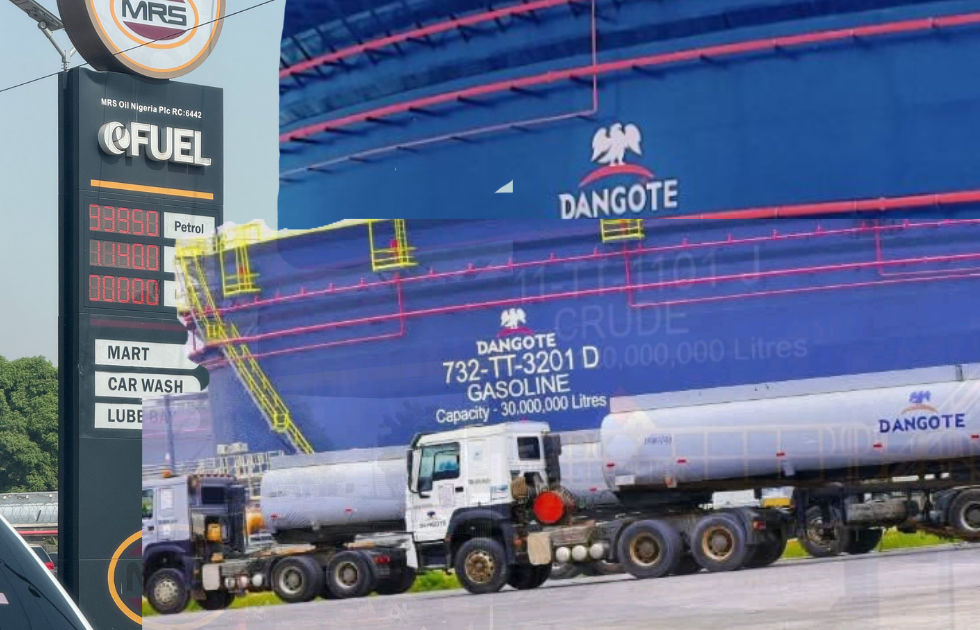
The fuel will be available through the extensive network of MRS Oil Nigeria Plc filling stations, marking the refinery’s first major foray into the domestic retail market since its commissioning.
The announcement, made in a statement from the refinery, positions the pricing as a deliberate effort to provide affordable fuel and introduce stability into Nigeria’s often volatile downstream petroleum sector.
With over two thousand MRS stations across the country, the company anticipates the reduced rate will offer immediate relief to consumers, particularly during the high-demand festive season.
The refinery commended early adopters of the new pricing structure, appealing to other marketers to follow suit in what it termed a patriotic gesture for national economic recovery.
Strategic Shift Aims to Curtail Import Dependency and Market Manipulation
The refinery’s intervention is underpinned by a guaranteed daily supply of up to fifty million litres, a volume intended to disrupt the cyclical scarcity that typically plagues the period. Industry analysts view the strategy as a multi-pronged assault on longstanding market issues.
By refining crude locally at such a scale, Nigeria’s exposure to fluctuating international crude prices and foreign exchange demands is expected to lessen, potentially contributing to a stronger naira and improved energy security.
However, the company has simultaneously issued a stern warning against potential market manipulation. It explicitly urged regulatory authorities to vigilantly guard against any attempts by “unscrupulous operators” to create artificial scarcity in response to the price reduction, describing such tactics as unpatriotic.
Consumers were also enlisted as watchdogs, with the refinery providing a dedicated hotline for reporting any MRS station found selling above the seven hundred and thirty-nine naira benchmark.
Further detailing its strategy, the refinery revealed recent operational adjustments designed to broaden participation. These include slashing the minimum purchase volume for marketers from two million litres to two hundred and fifty thousand litres and implementing a ten-day bank guarantee system.
The President of the Dangote Group, Aliko Dangote, framed the entire project as a legacy-driven endeavour rather than a purely profit-motivated venture, stating he could have invested the twenty billion dollars elsewhere if financial gain were the sole objective.
In a significant show of support, the Independent Petroleum Marketers Association of Nigeria (IPMAN) has directed its members, who control an estimated eighty per cent of the retail market, to source petrol from the Dangote facility, pledging there would be no gaps in supply to the public.