KEY POINTS
- Oil prices rose nearly 2% after the US intercepted a tanker near Venezuela, raising fresh fears of supply disruption from the sanctioned producer.
- Analysts noted the market had been complacent about Venezuelan export risks and was forced to swiftly recalibrate following this show of hardened enforcement.
- The price move occurred against a bearish backdrop of strong global supply, highlighting how geopolitical tensions can provide temporary support.
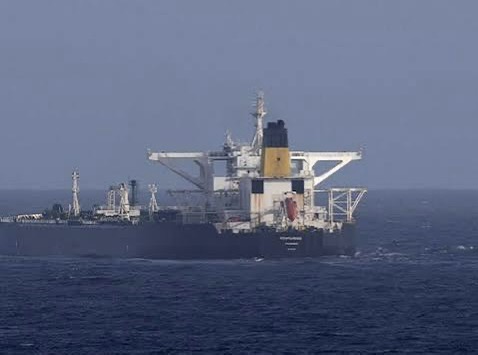
Oil markets shifted higher on Monday as geopolitical tensions injected a fresh dose of uncertainty into a market otherwise weighed down by oversupply concerns. The price rise followed a weekend intervention by the United States, which intercepted an oil tanker in international waters off the coast of Venezuela.
The action, part of a hardening Washington stance towards Caracas, sparked immediate fears of potential disruptions to crude flows from the sanctioned South American nation.
Benchmark crude contracts posted gains of nearly two percent in European trading. Brent crude futures climbed by one dollar and eleven cents to reach sixty-one dollars and fifty-eight cents a barrel, while US West Texas Intermediate rose by a dollar and four cents to fifty-seven dollars and fifty-six. Analysts noted that the move reflected a market reassessment of risks it had previously dismissed.
Market Recalibrates Long-Ignored Supply Risks
For months, traders had grown complacent about the steady trickle of Venezuelan crude reaching the global market despite US sanctions. The direct seizure of a vessel signals a more aggressive enforcement policy under the current administration, forcing a swift recalculation. “Market participants now see a risk of disruption to Venezuelan oil exports because of the U.S. embargo, having previously been complacent in that regard,” said Giovanni Staunovo, an analyst at UBS.
The incident off Venezuela represents the third such US operation in less than a fortnight, marking a clear escalation. While Venezuelan output accounts for only about one percent of global supply, the aggressive enforcement has overlapped with ongoing volatility linked to the war in Ukraine. Reports of a Ukrainian drone striking a Russian-linked tanker in the Mediterranean further contributed to the nervous backdrop, analysts said.
This geopolitical friction provided a temporary uplift in what remains a broadly bearish market landscape. Prices have been subdued for weeks due to robust production from the United States and the OPEC+ alliance, which has comfortably offset outages elsewhere.
The events of the past few days, however, underscore how quickly political decisions can unsettle the market’s equilibrium, even if the fundamental picture of ample supply remains unchanged for now.