KEY POINTS
- Libya’s Mufti urges full disclosure of oil production, sales and revenues
- He calls on authorities to pursue smugglers and corruption cases
- The Mufti supports migrant repatriation, citing sovereignty and rule of law
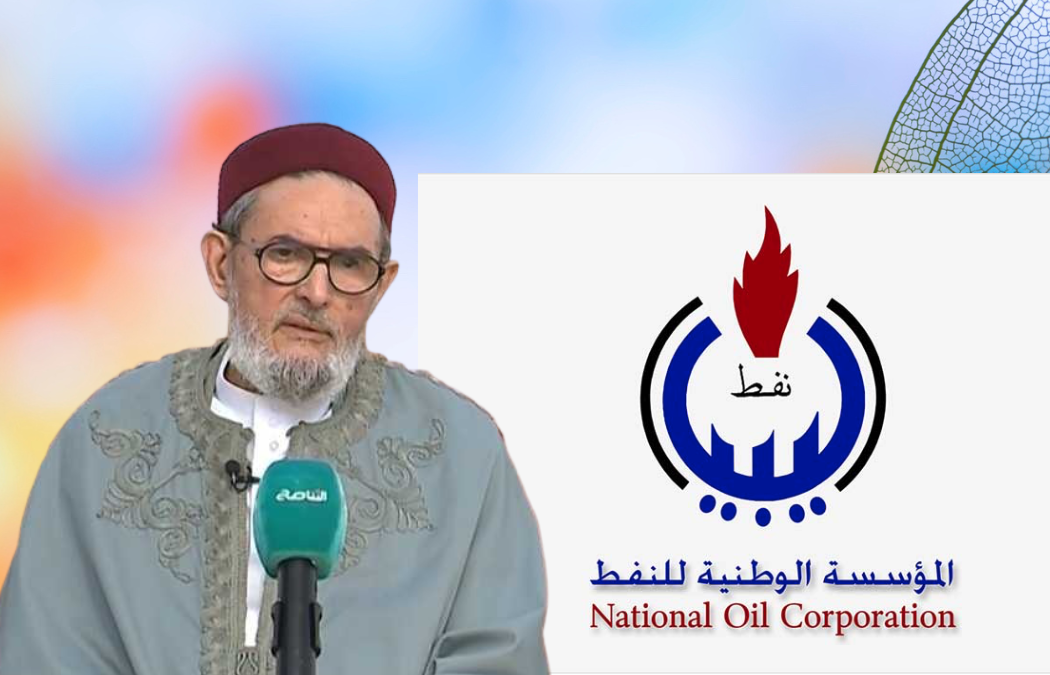
Libya’s Grand Mufti, Sheikh Al Sadiq Al Gharyani, has called on the National Oil Corporation, NOC, to fully disclose how much oil the country produces each day, how it is sold and where the proceeds end up, renewing pressure on state institutions to confront corruption in the energy sector.
Speaking during a televised address on Tanasuh TV, Al Gharyani said transparency was essential in a country where oil remains the backbone of public finance. He urged the corporation to publish figures on daily output, sale prices and the share of revenue transferred to the Central Bank of Libya.
He also questioned what he described as losses linked to smuggling and barter deals with what he called suspicious companies. According to the Mufti, failure to account for these flows undermines public trust and deepens economic hardship for ordinary Libyans.
Al Gharyani said responsibility did not rest with the oil company alone. He called on the government, oversight bodies and the Public Prosecution to actively follow up on oil revenue management and pursue those involved in illegal trading if the fight against corruption is to be taken seriously.
Mufti links sovereignty to migration policy
Alongside his remarks on oil, the Mufti voiced support for a national project led by the Interior Ministry to repatriate undocumented migrants to their countries of origin. He said immigration laws around the world do not permit open borders without control and argued that Libya should be no exception.
Al Gharyani warned against what he described as Europe shifting its migration challenges onto Libya. He framed the issue as one of national sovereignty, saying it should not be treated lightly by authorities or foreign partners.
He added that anyone entering Libya without legal documents should be held accountable under the law and returned to their home country. In his view, enforcing immigration rules was necessary to protect security and social stability, particularly in a country still facing political divisions and economic strain.
Libya has long struggled with competing governments and weak institutions, making oversight of oil revenues a sensitive and contested issue. The NOC officially controls production, while proceeds are meant to flow through the central bank for public spending.
Migration has also remained a flashpoint, with Libya serving as a major transit route for people trying to reach Europe across the Mediterranean. Efforts to return migrants have drawn both domestic support and international scrutiny.
Al Gharyani’s comments reflect a broader debate inside Libya about accountability, sovereignty and the balance between cooperation with foreign partners and protection of national interests.