KEY POINTS
- Mariakani substation links Coast to national grid.
- Upgrade supports clean energy expansion.
- Diesel dependence along the Coast is set to fall.
Kenya has commissioned a major power transmission facility at Mariakani, which grid operators say will permanently end coastal electricity instability.
Gateway links coast to grid
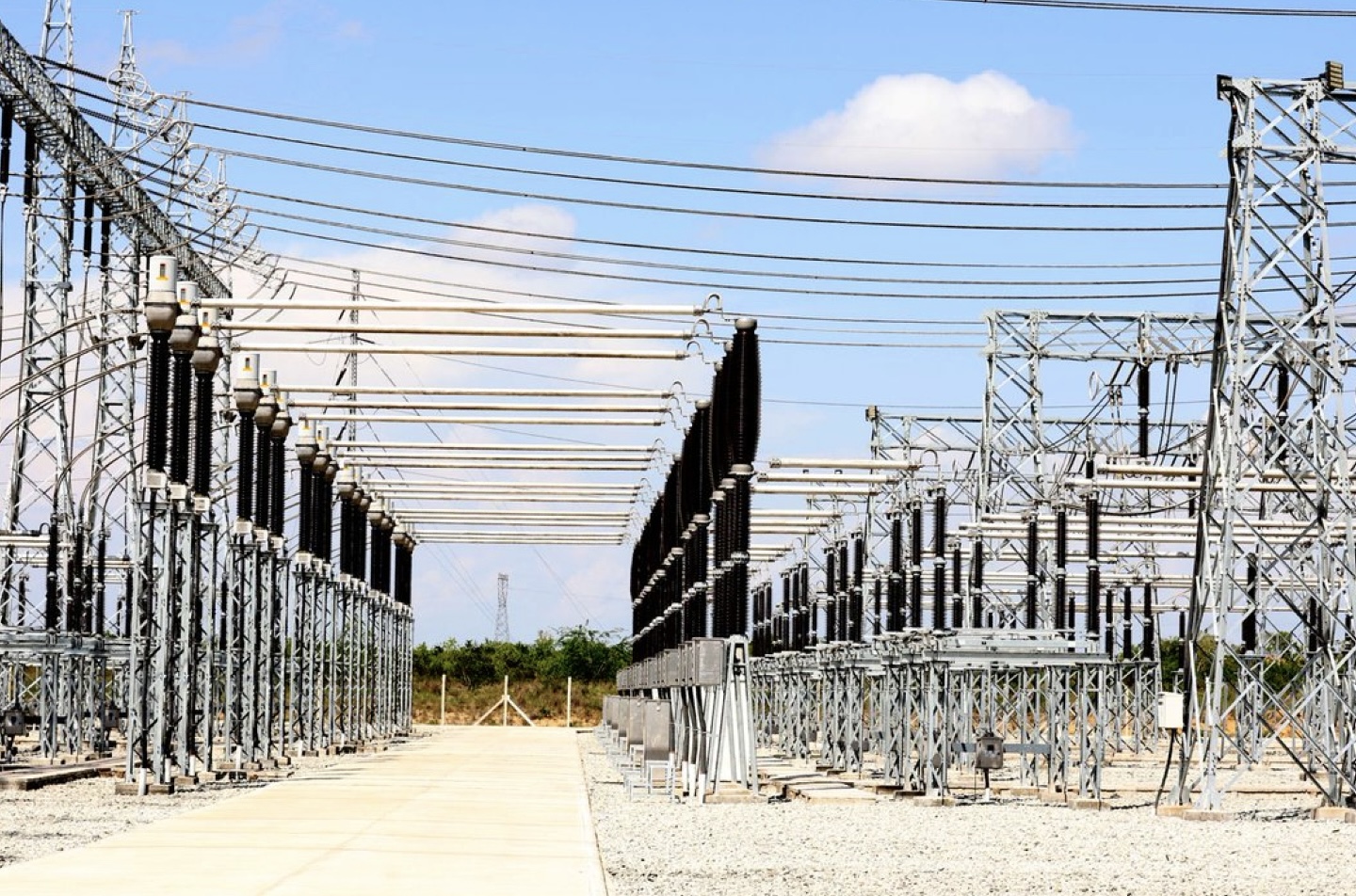
The Kenya Electricity Transmission Company said the Mariakani substation will serve as a gateway linking Coast region to Nairobi grid.
Reinforcement of the facility at 400kV is expected to unlock a stable electricity supply supporting growth investment and daily life.
KETRACO said the energised Mariakani substation forms part of the Nairobi–Mombasa Transmission Line linking coastal and inland electricity markets nationwide. The line was designed to carry more than 1,000 megawatts of electricity between two regions, reducing pressure on Coast’s network.
The 400/220kV Mariakani substation is described as a strategic component in strengthening Kenya’s national transmission grid. KETRACO said the upgrade underpins the wider regional interconnected power system and improves the ability to move electricity across borders.
The company said reinforcing the grid is central to capturing the full operational benefits of the 500kV Ethiopia–Kenya and 400kV Kenya–Tanzania interconnectors. These links are intended to improve regional power trade and enhance system reliability.
Clean energy flow expands
KETRACO said the Mariakani substation will also support Kenya’s target of achieving 100 percent clean energy by 2030. The facility allows more geothermal power from Olkaria, wind energy from the Lake Turkana Wind Power project and hydropower imports from Ethiopia to reach the Coast.
“With this development, the Coast will significantly reduce its reliance on expensive and polluting diesel power, especially during peak evening hours,” said KETRACO acting managing director Kipkemoi Kibias. He said cleaner and more reliable electricity will flow more efficiently, lowering costs and stabilising supply across the region.
Financing for the Mariakani substation was provided through a partnership between the Kenyan government and the African Development Bank. The project cost KSh3 billion, or about $23.2 million. China CAMC Engineering Company served as the contractor, with works supervised by KETRACO engineers, according to ESI Africa.
Beyond the substation itself, the African Development Bank is the lead financier of the transmission lines linking Mariakani to Nairobi and Rabai. These include the 400kV double-circuit line from Isinya to Mariakani and the 220kV double-circuit line from Mariakani to Rabai.
KETRACO said the Mariakani substation completes the second phase of the Mombasa–Nairobi Transmission Line Project. The first phase covered 492 kilometres of transmission lines linking Rabai to Embakasi in Nairobi and has operated at 220kV since 2017. Phase II focused on upgrading capacity to 400kV, increasing power flow to the Coast and reducing technical losses.
KETRACO said the project improves power quality, reliability and grid stability, ensuring the Coast region is fully integrated into Kenya’s modern electricity network.