KEY POINTS
- Kenya’s solar growth highlights the need for storage solutions.
- Lack of storage risks grid instability and service interruptions.
- Vandalism continues to threaten energy infrastructure.
Kenya’s energy sector continues to expand rapidly, especially in renewable generation, but the country faces persistent challenges in ensuring reliable power supply. Board Director Mark Nderitu of the Rural Electrification and Renewable Energy Corporation (REREC) said that without adequate storage, the growth of solar and other intermittent sources could destabilise the national grid.
Storage gaps threaten grid stability
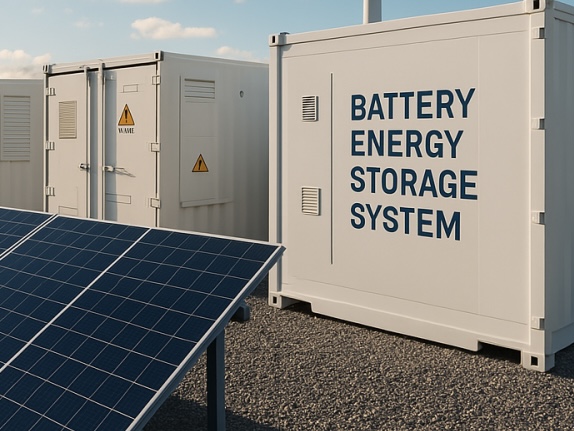
Speaking at Enlit Africa 2025, Nderitu highlighted that integrating storage into renewable projects is critical to prevent outages and maintain dependable electricity. While solar capacity has grown across Kenya, insufficient backup solutions have created periods of instability. Lessons from previous implementations show that clean energy, without proper storage, can inadvertently strain the grid, leading to interruptions in service and operational inefficiencies.
According to ESI Africa, Nderitu noted that upcoming projects are increasingly prioritising storage as a core component. Developers are designing systems with batteries and other storage mechanisms to smooth supply fluctuations and support continuous grid performance. The focus on energy storage marks a shift from merely adding generation capacity toward ensuring long-term reliability and resilience.
Vandalism remains a persistent threat
Another challenge confronting the sector is vandalism, which affects energy infrastructure across Kenya and much of Africa. Nderitu observed that theft and deliberate damage continue to undermine the effectiveness of new installations, adding operational costs and delaying project benefits. He emphasised that mitigating these risks requires both technological solutions and community engagement to safeguard critical assets.
Despite these hurdles, Nderitu remains cautiously optimistic.
Kenya’s energy plans are increasingly integrating lessons from past projects, balancing rapid renewable deployment with storage solutions and protective measures. The combination of policy support, storage investment, and infrastructure security could help the country fully realise the potential of its clean energy expansion.