KEY POINTS
- Marketers say Dangote Refinery’s fluctuating prices and single-train design are creating uncertainty and threatening energy security.
- They warn that alleged monopolistic tendencies and weak enforcement of competition laws could undermine investment and sector sustainability.
- Stakeholders are calling on government and lawmakers to enforce PIA provisions and push for pricing transparency and structural upgrades.
Petroleum marketers, industry experts, and unions in Nigeria’s downstream sector have raised concerns over what they describe as persistent price instability and uncertainty in the supply, distribution, and retailing of petroleum products nationwide.
They say the situation is generating panic within the industry and reflects deeper structural problems that have continued to plague the sector over the past year.
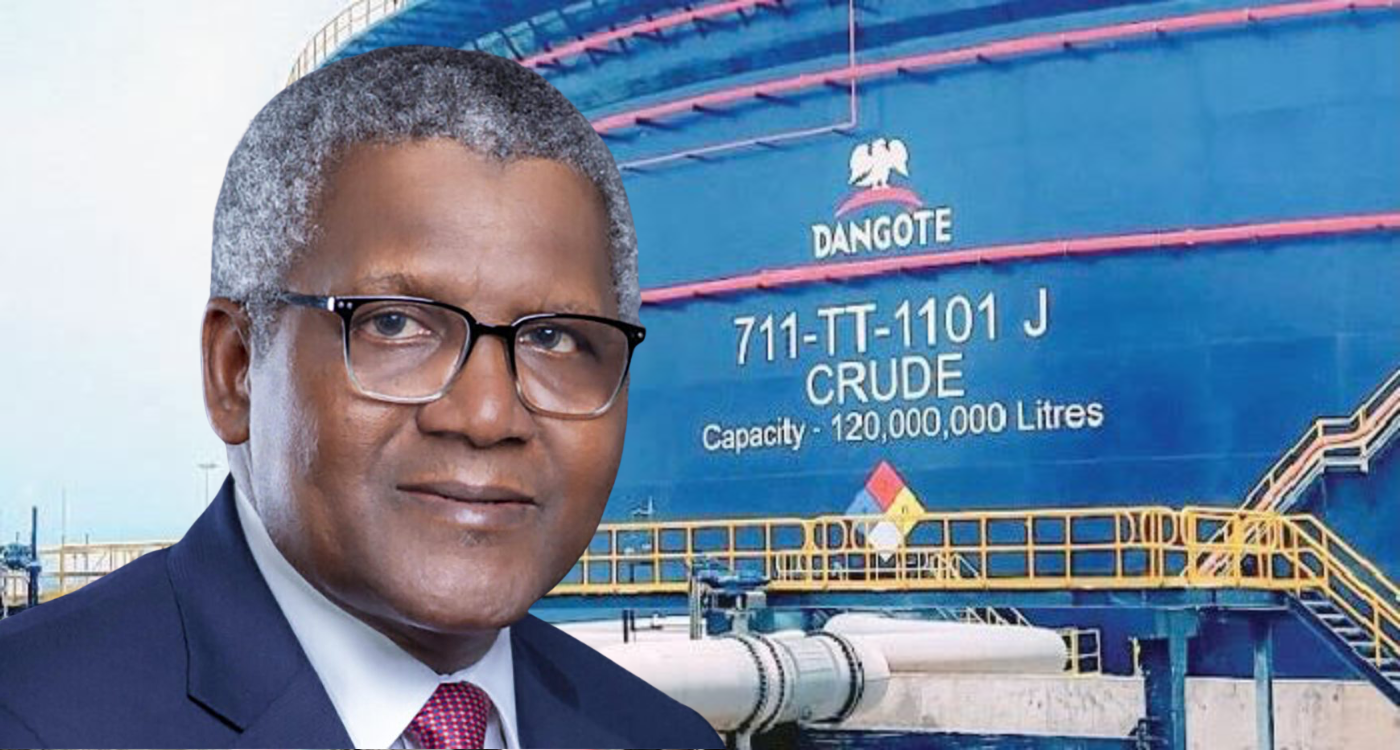
Speaking in Lagos, the marketers warned that Dangote Refinery’s alleged unstable pricing regime and single-train operational structure pose serious risks to Nigeria’s energy security and broader economy if left unaddressed.
Confusion Over Ex-Depot and Pump Prices
Independent marketers cited recent fluctuations in pricing as evidence of instability, noting that the refinery’s ex-depot price reportedly rose from ₦699 to ₦799 per litre, while pump prices have swung between ₦731 and ₦920 per litre within a short period.
According to a marketer, Audu Ibrahim, such “epileptic pricing” creates uncertainty for both marketers and consumers, making planning and inventory management difficult.
He also warned against what he termed restrictive business practices and monopolistic tendencies that could hinder the entry of other players into the market.
Marketers argued that anti-competitive behaviour discourages investment, fuels unhealthy price wars, and threatens the long-term sustainability of the petroleum sector.
Another marketer stressed that petroleum products influence the pricing of virtually all other goods, including food, adding that failure to enforce competition laws and provisions of the Petroleum Industry Act (PIA) could lead to business closures and economic decline.