KEY POINTS
- The Trans-Saharan Gas Pipeline is now 60% complete, linking Nigeria, Niger, and Algeria to supply up to 30 billion cubic metres of gas annually.
- The project offers Europe an alternative to Russian gas and strengthens West and North African energy cooperation.
- Challenges remain, including difficult terrain, regional security risks, and past delays from financing and market dynamics.
The Trans-Saharan Gas Pipeline (TSGP) project is gaining momentum after Algeria, Nigeria, and Niger reaffirmed their commitment to the 2024 gas agreements and are accelerating construction.
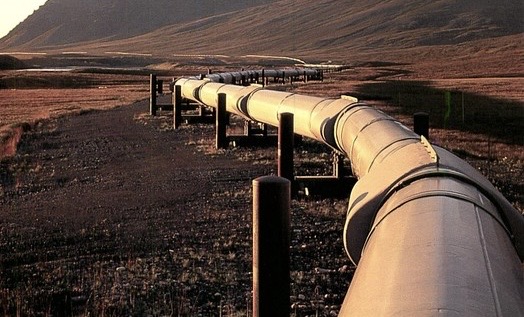
Officials recently endorsed updates to the project’s feasibility study by UK engineering firm Penspen, alongside a new compensation deal and confidentiality pact. The pipeline, spanning 4,128 km, is designed to transport up to 30 billion cubic metres of natural gas annually from Nigeria to Algeria’s Mediterranean coast for export to Europe and other global markets.
First conceived in the early 2000s, the TSGP aims to replace some of the Russian gas no longer flowing to Europe.
The project strengthens energy cooperation between West and North Africa and provides an alternative supply route as the EU prepares to ban Russian pipeline imports under its nineteenth sanctions package. Upon completion, the pipeline will link Nigeria’s gas reserves to Algeria’s network, feeding into the Trans-Mediterranean and Medgaz pipelines.
Construction Status and Challenges
Approximately 60% of the TSGP route has been completed, with 2,400 km of pipeline laid, primarily in Algeria and Nigeria. The remaining 1,800 km will traverse challenging terrain, including the Sahara Desert and regions with security risks.
The project is managed jointly by Algeria’s Sonatrach, the Nigerian National Petroleum Company (NNPC), and Niger’s Ministry of Petroleum, with ongoing technical, financial, and environmental updates.
With a projected capacity of 30 billion cubic metres per year, the TSGP represents a significant addition to both regional and international gas supply.
Analysts note that if completed, the pipeline could transform West Africa’s gas export profile. However, past delays have been caused by financing issues, regional instability, and shifting global gas market dynamics.