KEY POINTS
- NOA Group will supply Sibanye-Stillwater with 401 GWh of renewable electricity annually plus an extra flexible 100 GWh.
- The deal could cut electricity costs by up to 30% and significantly reduce emissions.
- It reflects a wider shift among mining firms toward clean energy for reliability, sustainability, and long-term savings.
In a major boost for clean energy use in Africa’s mining industry, NOA Group and Sibanye-Stillwater have signed a long-term renewable electricity agreement that will supply approximately 401 gigawatt-hours of power annually to Sibanye’s operations in South Africa.
The contract also includes an additional 100 GWh under a flexible short-term arrangement. Structured as a “take-and-pay” deal, the model guarantees reliable electricity supply for the mining firm while helping it secure predictable energy pricing and operational stability.
Power generated from renewable sources will be transmitted through the national grid operated by Eskom using a wheeling system, a framework that allows electricity produced at one location to be delivered to another via existing transmission infrastructure.
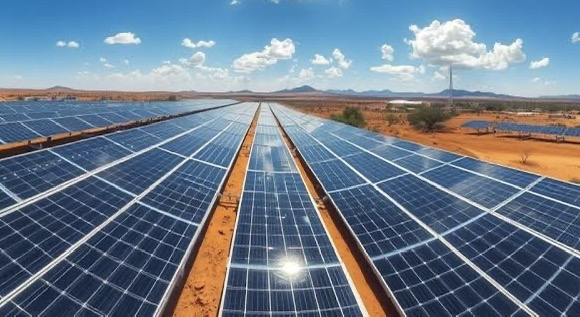
A significant portion of the electricity will come from the Stellar solar photovoltaic project, which NOA recently acquired from DRDGOLD. Through a diversified renewable asset portfolio, NOA plans to deliver roughly 138 MW of capacity annually for a ten-year period.
Future phases of the project will incorporate battery energy storage systems to stabilise supply and allow a higher share of renewable power to be integrated into the grid.
Cost Savings and Environmental Impact
The agreement is expected to deliver major financial benefits. By 2028, renewable energy could supply 56 percent of Sibanye-Stillwater’s electricity demand in South Africa, potentially cutting power costs by 20–30 percent compared with Eskom’s standard wholesale tariffs.
Environmental gains are also substantial. The initial phase is projected to reduce greenhouse-gas emissions by about 433,080 tonnes of carbon dioxide equivalent each year. As additional renewable capacity comes online, annual avoided emissions could reach 2.63 million tonnes by 2028.
NOA Group CEO Karel Cornelissen described the partnership as evidence of growing demand for large-scale wheeled renewable energy solutions in South Africa. Sibanye-Stillwater CEO Richard Stewart called the agreement a key milestone in the company’s roadmap toward carbon neutrality by 2040.
The deal underscores a broader trend: major mining companies are increasingly turning to renewable energy to enhance energy security, reduce costs, and meet environmental targets amid ongoing challenges in national power supply systems.