

KEY POINTS
- The closure of the Strait of Hormuz has disrupted vital imports and oil exports across the Gulf region.
- Importers are turning to expensive and complex land routes, increasing supply chain costs and risks.
- Global oil prices and food supply concerns are rising as the Middle East conflict intensifies.
Importers across the Gulf region are racing to find alternative supply routes following the effective shutdown of the Strait of Hormuz, a vital maritime corridor that supports the region’s heavy reliance on imports.
According to a report by Reuters, businesses dealing in essential goods such as food, medicine, and industrial supplies are increasingly turning to overland transport options after shipments were stranded due to the blockade.
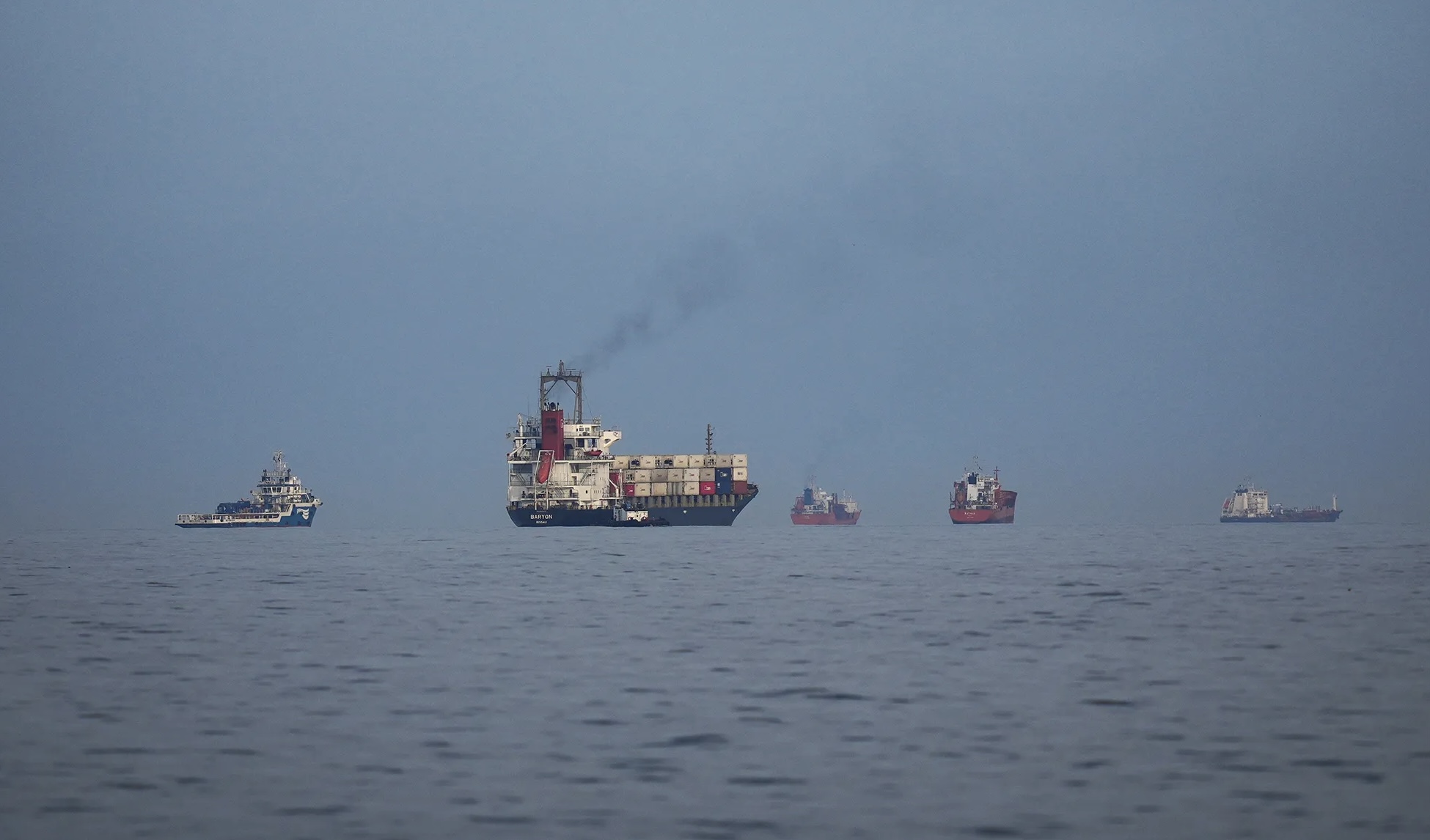
The disruption, triggered by the escalating United States–Israel–Iran conflict, has halted commercial shipping through one of the world’s most critical oil and cargo routes. This has not only affected oil exports from Gulf nations but also sent shockwaves through global energy markets.
With maritime traffic largely stalled, logistics companies are now grappling with the costly and complex task of rerouting vessels, shifting cargo inland, and preventing spoilage of perishable goods. Industry experts warn that these adjustments will significantly drive up costs.
Transport of Goods Could Cost More
Ronan Boudet of Kpler noted that transporting goods by land to major hubs like Dubai could cost several times more than traditional sea freight.
Data from Kpler shows that just before the conflict escalated, 81 container ships were headed for ports within the strait. Since then, more than half have been redirected to alternative ports, while others have exited the Gulf region entirely.
The situation is particularly dire for food security. Due to the region’s harsh climate, a significant portion of food supplies, about 70% normally passes through the strait en route to key destinations like Jebel Ali Port.
Perishable goods have been among the hardest hit. Christophe Belloc of Interfel revealed that around 5,000 metric tons of French apples destined for Dubai are currently stuck in transit. These shipments have already incurred nearly €900,000 in additional maritime charges, forcing exporters such as Blue Whale to seek alternative delivery routes.