

KEY POINTS
- Europe is increasingly sourcing jet fuel from Nigeria after US-Iran tensions disrupted traditional Middle Eastern supply routes.
- A Dangote refinery cargo delivered to the UK signals growing reliance on West African refineries as prices nearly doubled.
- Analysts warn higher jet fuel costs may spread across the supply chain, while Nigeria’s refinery strengthens its global market role.
Nigeria has become an important alternative supplier of aviation fuel to Europe as geopolitical tensions between the United States and Iran disrupt traditional supply routes from the Middle East.
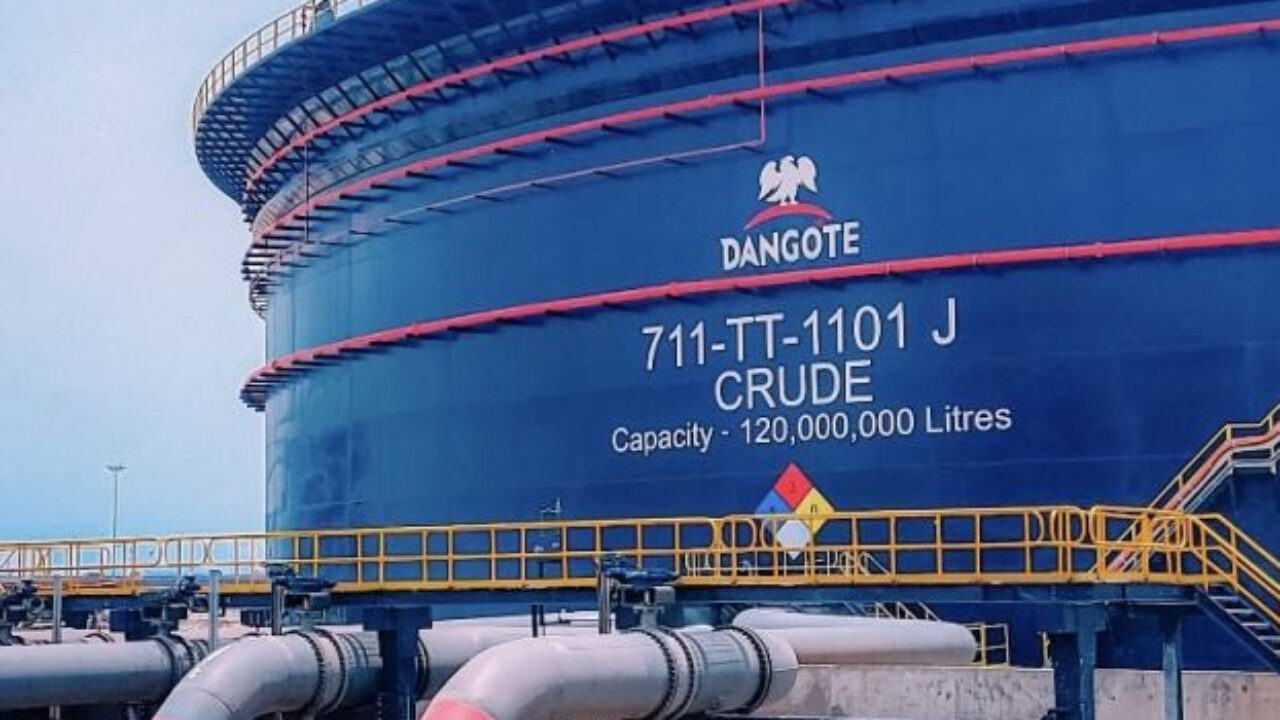
The shift follows a recent shipment from the Dangote Petroleum Refinery to the United Kingdom, signalling Europe’s growing reliance on West African refineries to stabilise energy markets.
The development comes as European countries source about 40 percent of their jet fuel through the Strait of Hormuz, a key transit route now affected by heightened security concerns linked to the tensions.
As a result, benchmark north-west European jet fuel prices have surged to about 1,744 dollars per tonne, nearly double pre-conflict levels.
The arrival of a cargo from the Dangote refinery at the UK’s Milford Haven port underscores the reshaping of global fuel supply chains. European buyers are increasingly seeking alternative sources amid fears of shortages following the last expected shipments from the Middle East.
A source at the Lekki-based refinery confirmed that European countries have become major buyers, noting that jet fuel prices are climbing sharply due to developments in the Middle East. The source spoke on condition of anonymity, citing lack of authorisation to comment publicly.
Industry data and reports also indicate that the Nigerian shipment marks a significant shift, with buyers diversifying supply sources as uncertainty grows over Middle Eastern exports.
Analysts predict continued reliance on West Africa
Energy analysts say European importers are likely to increase purchases from West African refineries, including Dangote, to offset supply disruptions. Lars van Wageningen said the market would adjust through rerouting rather than face outright shortages.
Similarly, Matt Stanley noted that the global fuel system continues to operate by redirecting supply flows, though at higher prices. Consultants warned that airlines could begin to feel the impact as early as April.
Janiv Shah said market expectations suggest fuel shortages may emerge in some countries, adding that higher prices would likely cascade through the entire supply chain.
The United Kingdom confirmed that jet fuel shipments are continuing from multiple countries, including India, the United States, the Netherlands and Nigeria, as authorities move to secure supply.
Since reaching full capacity of about 650,000 barrels per day, the Dangote refinery has exported 12 cargoes totalling 456,000 tonnes of refined products, including petrol, diesel and aviation fuel. These exports have reached countries across West Africa such as Ghana, Cameroon, Côte d’Ivoire, Tanzania and Togo, in addition to the recent aviation fuel shipment to the UK.