KEY POINTS
- Washington is pushing energy and infrastructure partnerships across the Caribbean, with Suriname’s offshore oil sector as a centerpiece.
- APA Corporation’s offshore exploration success in Suriname is expected to yield first oil within two years.
- The U.S. is warning Caribbean nations against opaque, debt-laden energy deals from outside powers.
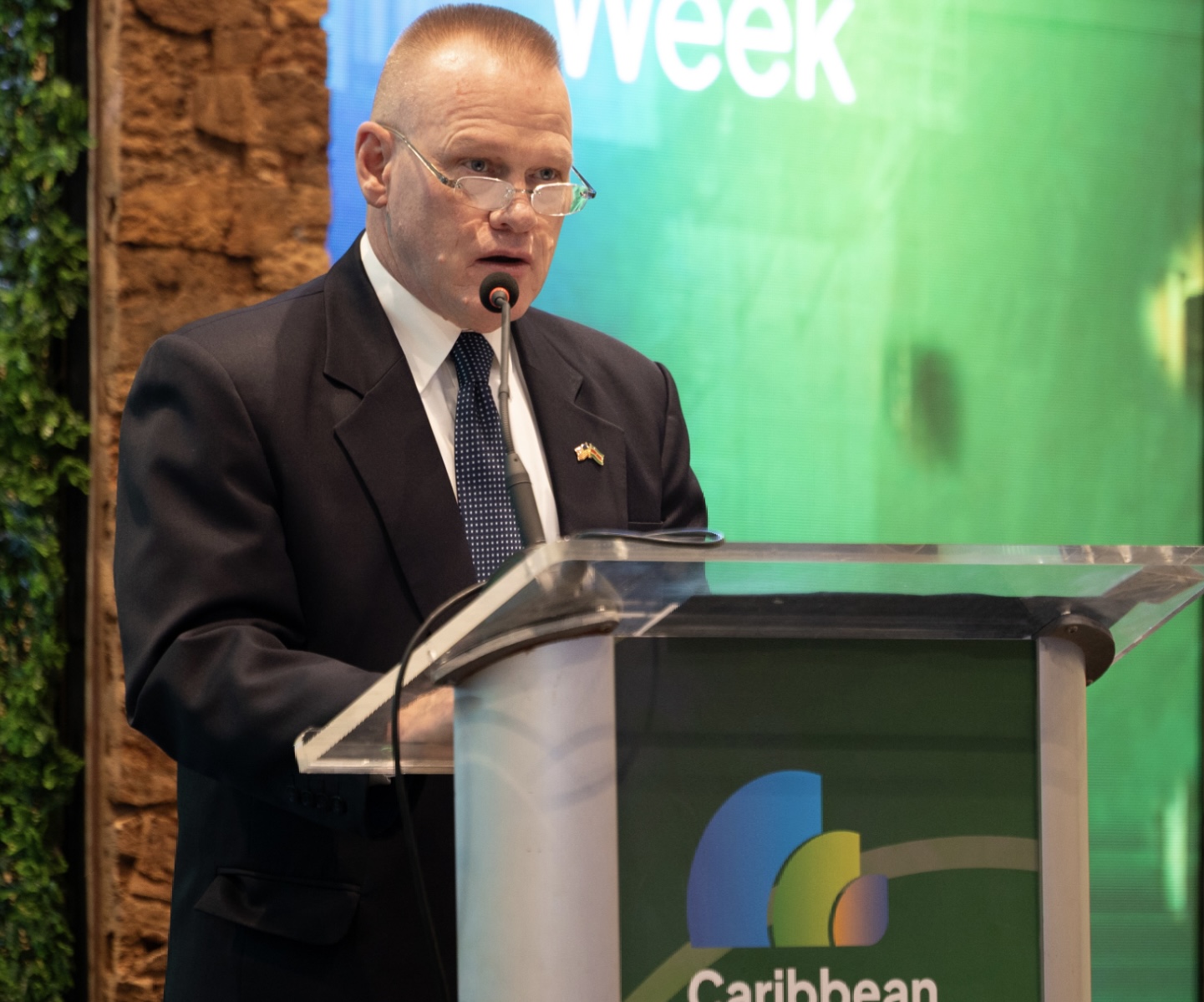
Paul Watzlavick, the U.S. Chargé d’Affaires at the American Embassy in Paramaribo, made clear this week that Washington is pushing for energy and infrastructure partnerships across the region with real commercial intent, not goodwill alone. Suriname’s offshore oil sector sits at the center of that push.
“It’s increasingly clear that this region is an essential partner to the U.S.,” Watzlavick said. “We want partnerships that support a strong workforce, keep our people safe and respect the sovereignty of every country.”
Suriname’s oil window, and who Washington wants in It
APA Corporation has already staked a claim. Watzlavick pointed to the company’s offshore exploration work in Suriname as proof that American firms can lead where others hesitate. “APA took a risk pioneering offshore exploration in Suriname, and now we’ll see the first oil in two years,” he said.
That timeline puts Suriname’s production debut on a short horizon, and Washington wants U.S. companies positioned across the value chain before rivals move in. Watzlavick said American firms can deliver modern refineries and manage complex energy systems, signaling that the U.S. pitch extends well beyond exploration into downstream infrastructure.
Energy security in the Caribbean, he argued, is about more than production volumes. “We need energy systems that are up to date,” Watzlavick said. “The needs here are very different from Trinidad or Texas, but the goal is the same.”
A warning wrapped in partnership language
Watzlavick did not name China directly, but the message tracked closely with what Washington has been saying across developing markets. “We have all seen what happens when contracts for power projects or pipelines come with unsustainable debt, opaque terms or technology that cannot be operated or is manipulated from far away,” he said.
“Our view is simple: energy and natural resources should strengthen the countries that own them. Extraction should not be a one-way street.”
The U.S. framing positions American investment as a counterweight to what officials describe as predatory financing, wrapped in a long-term regional vision. “Today’s investments in Suriname and CARICOM should be focused not only on immediate needs, but on how we want this region to look 50 years from now,” Watzlavick said, pushing the case for combining reliable fossil energy with modern grids to power the region together.