

KEY POINTS
- The World Bank is urging Nigeria to reinstate petrol import licenses to restore market competition.
- Nigeria halted import license issuance in March 2026, citing sufficient local supply from the Dangote Refinery.
- The World Bank warned that a single supplier in the PMS market risks monopolistic tendencies and supply disruptions.
Nigeria stopped issuing petrol import licenses in March 2026. The World Bank wants them back.
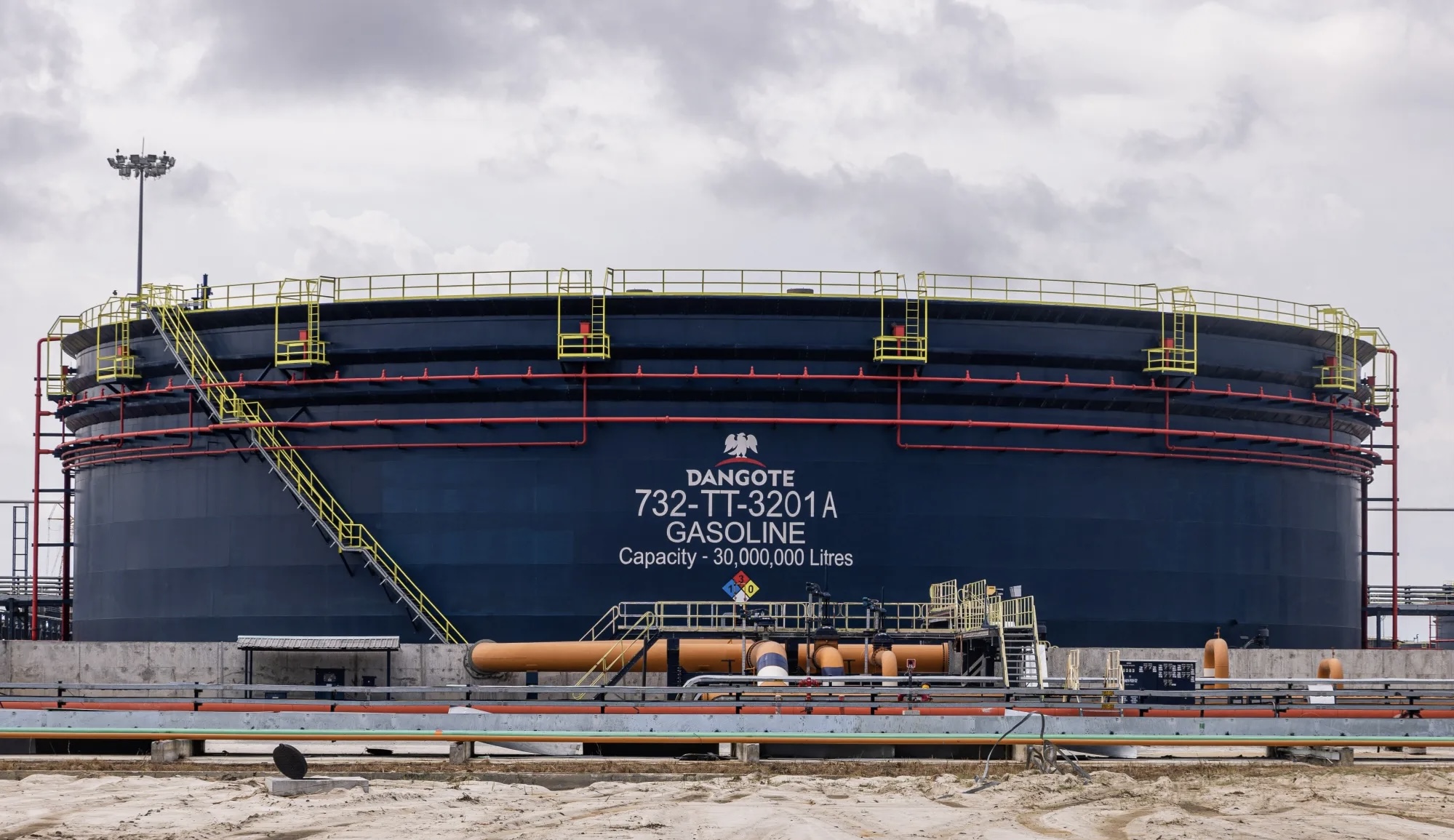
In a policy document covering macroeconomic stability and sector reform, the institution has called on Nigerian authorities to reinstate import licenses for Premium Motor Spirit. The recommendation targets growing concerns about market concentration in the downstream petroleum sector, where the Dangote Refinery now holds a commanding supply position.
“Reinstate import licenses to reintroduce competition to the PMS market,” the World Bank stated in the report, framing the move as essential to consumer protection and market efficiency.
Nigeria’s downstream authorities suspended license issuance after concluding that the Dangote Refinery was producing enough to meet domestic demand. The refinery, located in Lagos, is one of the largest single-train refineries in the world. It was built to reduce Nigeria’s reliance on imported fuel, preserve foreign exchange and strengthen energy security. On those terms, it has made progress.
Why the World Bank is pushing back
The issue is not whether the refinery works. It is what happens when one supplier controls the market. The World Bank’s concern is structural. A single dominant supplier can set prices, limit alternatives and create conditions that are difficult to reverse without regulatory intervention. The institution argues that import competition is the most practical check on that dynamic.
Reinstating licenses would allow other operators to bring in fuel when domestic prices drift above import parity, creating a ceiling on what any single supplier can charge. Without that mechanism, the market has no self-correcting pressure.
Broader recommendations for Nigeria
The World Bank’s petroleum recommendation sits within a wider set of policy proposals. On fiscal policy, it called for publishing audited government financial statements from 2021 to 2025, improving budget processes and strengthening tax administration through data systems.
On monetary policy, it recommended gradually lowering banks’ Cash Reserve Ratio, narrowing the gap between the Central Bank of Nigeria’s lending and deposit rates and maintaining exchange rate flexibility to absorb external shocks.
The report also addressed Nigeria’s exposure to the ongoing Middle East conflict, advising a countercyclical fiscal approach to manage temporary oil windfalls while rebuilding fiscal buffers. It cautioned against blanket subsidies and price controls, recommending targeted transfers to protect vulnerable households instead.
The Dangote Refinery’s role in Nigeria’s energy economy is not in question. What the World Bank is questioning is whether competition policy has kept pace with it.