

KEY POINTS
- Oando Plc CEO Wale Tinubu says a $750 million drilling campaign could raise output by 300 percent.
- The company plans to drill up to 100 wells, focusing largely on assets acquired from ConocoPhillips and Eni.
- Oando is shifting from European banks to African and commodity trading firm financing amid climate-related lending pullbacks.
Oando Plc wants to drill 100 wells. It needs $750 million to do it. And its CEO thinks the current moment in global energy markets is the best window it has had in years.
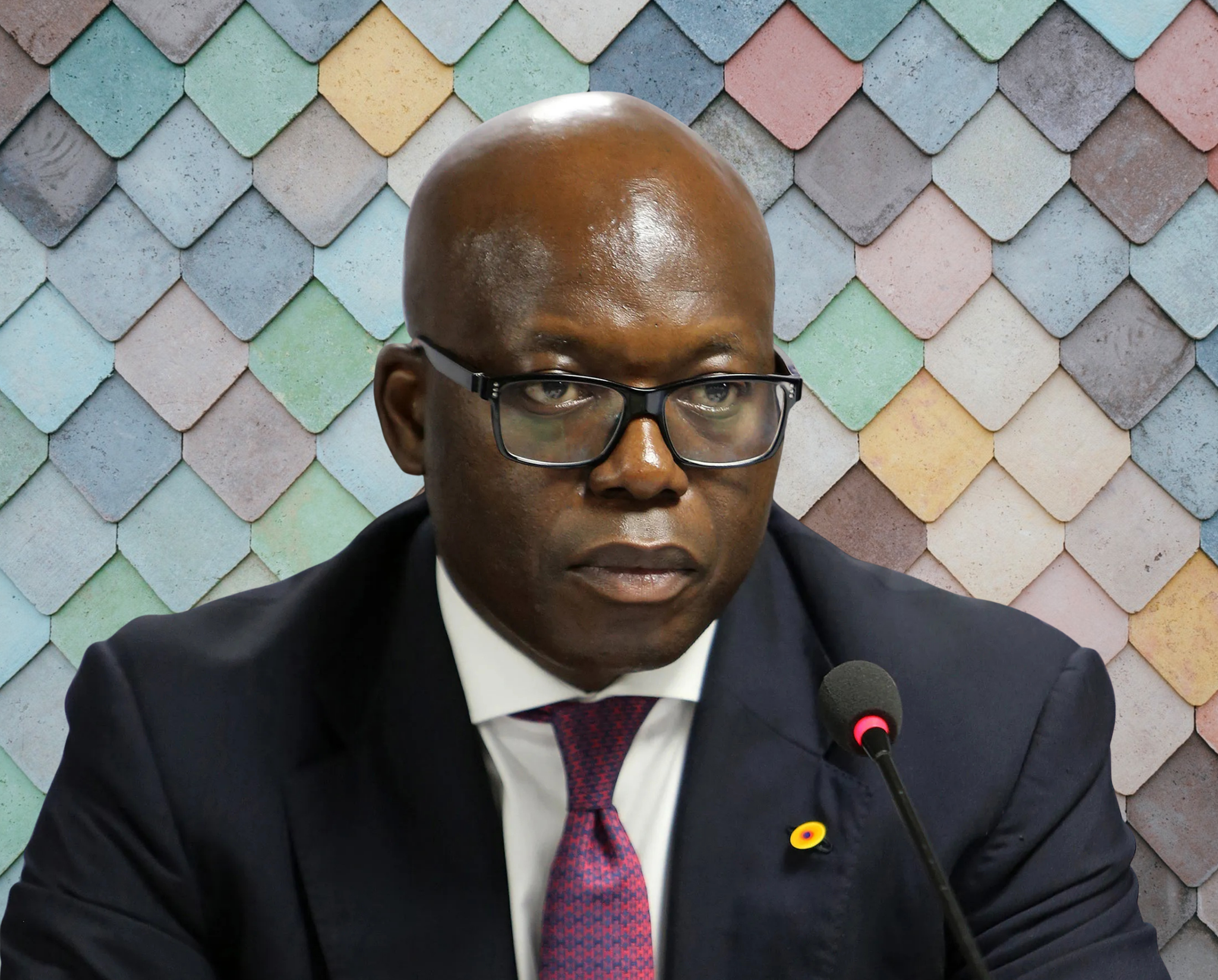
Wale Tinubu, Group Chief Executive Officer of Oando, disclosed the plan in an interview with Reuters on Friday. He said the drilling campaign could increase the company’s oil production by as much as 300 percent. Oando produced an average of just over 32,000 barrels of oil equivalent per day in the 2025 fiscal year.
“We are pushing very, very hard towards getting the financing that we need to do an extensive drilling campaign,” Tinubu said.
The timing is deliberate. Tinubu pointed directly to the Iran conflict and the lingering effects of Russia’s invasion of Ukraine as catalysts that have shifted investor perception of West Africa. Disruptions elsewhere have made Nigeria look stable by comparison.
“Africa is very, very peaceful compared to these regions,” he said.
Where the wells will go
The proposed drilling programme will focus on assets Oando acquired from international oil companies, including ConocoPhillips and Eni. Those acquisitions are part of a wider trend in which indigenous Nigerian firms have absorbed onshore and shallow-water assets divested by multinationals over the past decade. Oando has been one of the most active players in that consolidation.
The company has also begun expanding beyond Nigeria. It has moved into Angola and is exploring opportunities in Ghana and Côte d’Ivoire as part of a broader regional growth strategy.
Rethinking who provides the money
Tinubu acknowledged that funding has historically come primarily from European financial institutions. Over the past decade, Oando raised between $3 billion and $4 billion, largely through that channel. That pipeline is narrowing. Many European banks have pulled back from hydrocarbon financing in Africa due to climate-related pressures.
Oando is now looking elsewhere. The African Export-Import Bank and the African Finance Corporation are among the institutions in focus. The company is also in discussions with global commodity trading firms including Vitol, Trafigura, Glencore and Mercuria.
Tinubu added a broader point: African nations need to mobilize domestic capital through pension funds and other financial institutions to sustain major energy investments on the continent.
On Nigeria’s downstream market, Tinubu expressed confidence in the Dangote Refinery’s capacity, saying the country no longer requires routine petrol imports except as pricing benchmarks or during maintenance shutdowns. He also pointed to the Petroleum Industry Act and recent economic reforms as factors improving Nigeria’s investment profile.
The $750 million campaign is the biggest bet Oando has made on its own future. The company is working to line up the financing before the window closes.