KEY POINTS
- Obasanjo warned that Africa’s external energy dependency threatens continental sovereignty and economic security.
- The Iran war has disrupted Hormuz oil flows, exposing Africa’s dangerous reliance on imports.
- ARDA leaders called for urgent investment in African refining capacity and domestic supply chains.
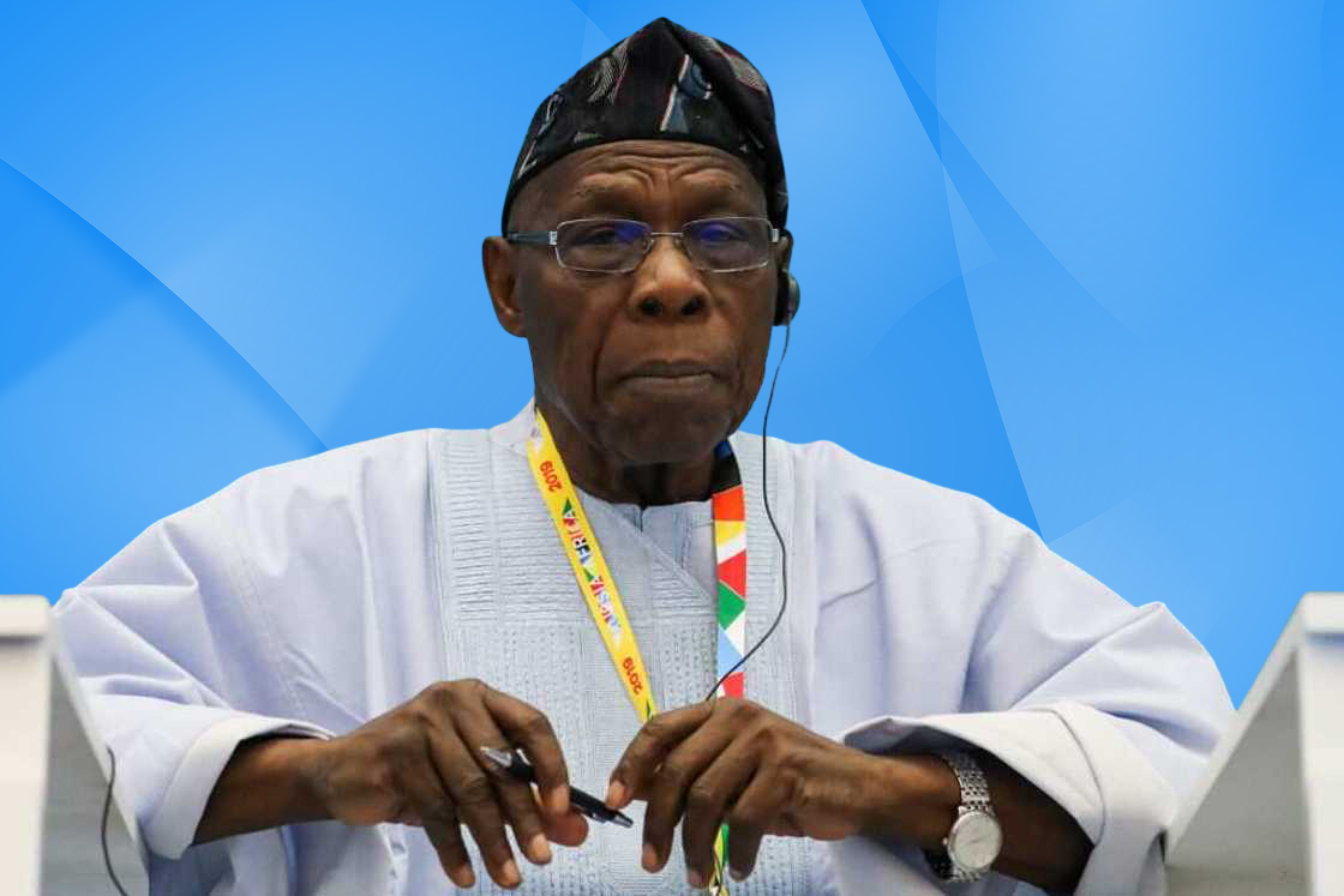
Former Nigerian President Olusegun Obasanjo delivered a pointed message to Africa’s energy industry on Monday: build your own infrastructure or keep paying the price for wars that have nothing to do with you.
Obasanjo addressed delegates at the 2026 African Refiners and Distributors Association conference in Cape Town through a pre-recorded video. He urged the continent to stop depending on foreign energy sources and start building its own pipelines, refineries and supply chains.
“When external suppliers face disruptions, Africa faces shocks,” he said. “This is a wake-up call for the African continent to take charge of its own destiny. We must build our own pipelines and shield our people from supply shocks from external wars and conflicts.”
A continent caught in other people’s wars
The Iran conflict sits at the center of his warning. The Strait of Hormuz has been disrupted since the US-Iran war broke out. President Donald Trump announced a ceasefire last week, then shifted to a blockade after Tehran rejected his terms. The strait carries a significant slice of global oil flows, and Africa, which imports most of its energy, is absorbing the shock.
Cairo, one of the continent’s most dynamic cities, is now closing at midnight because of energy constraints tied to the war. South Africa imports food from the Middle East and has already reported fuel allocation shortfalls. Farmers in the Western Cape say they can access as little as 20 percent of their normal diesel supplies.
Obasanjo called the crisis the most significant supply shock since Russia’s invasion of Ukraine in 2022. He said geopolitical volatility in the Global North has taught Africa a hard lesson about dependency.
Africa must refine more of what it produces
ARDA executive secretary Anibor Kragha was direct. He pointed to three consecutive shocks in six years: Covid-19 in 2020, Ukraine in 2022 and Iran in 2026. Each one hit Africa hard. None started there.
“Various challenges, little to do with Africa,” Kragha said.
ARDA president Marie Josephine Sidibe said the continent exports raw materials and imports refined products. That has to change. The path to energy sovereignty, she said, runs through stronger refining capacity, cleaner cooking infrastructure and a supply chain built for Africa’s 1.4 billion people.
ARDA has 80 members and works to advance African energy industry standards through research and advisory services.