KEY POINTS
- The first LNG tanker since February has crossed the Strait of Hormuz, hinting at a possible easing of supply disruptions.
- Ongoing conflict involving Iran, the U.S., and Israel has severely impacted LNG exports, especially from Qatar and the UAE.
- Asia faces reduced LNG imports and rising prices, with supply levels hitting lows not seen since 2020.
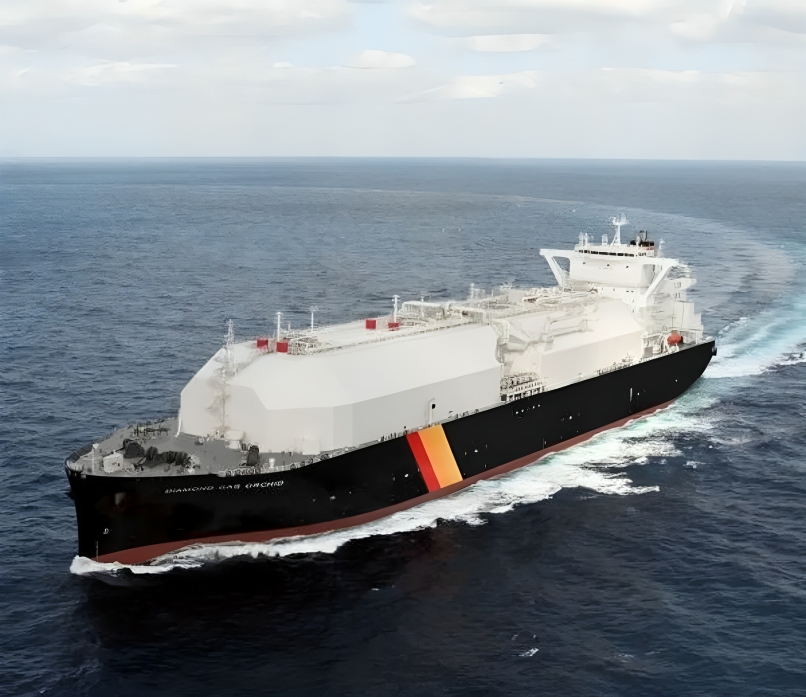
The first liquefied natural gas, LNG, tanker has successfully crossed the Strait of Hormuz since tensions escalated in late February, signaling a possible easing of disruptions to global energy supply.
The LNG vessel Mubaraz, sailing under a Liberian flag, departed from the UAE’s Das Island and navigated through the previously blocked route. According to tracking data, the tanker had remained idle in the Persian Gulf before resuming its journey and is now heading toward Asia, with a likely arrival in mid-May.
Like many ships operating in the region amid conflict, the vessel reportedly stopped transmitting its location while passing through the high-risk zone, a tactic increasingly adopted during the ongoing confrontation involving the Iran, the United States, and Israel.
War Disrupts LNG Supply Chains
The conflict has effectively shut down the Strait of Hormuz, stranding LNG exports from major suppliers such as Qatar and the United Arab Emirates.
Qatar’s production capacity has also suffered severe damage following missile strikes, forcing state-owned QatarEnergy to declare force majeure on supply contracts and assess losses.
The supply crunch has had a sharp impact on Asian energy markets. LNG imports across the region have plunged to their lowest levels since the COVID-19 demand collapse in June 2020. Ship-tracking data shows that average monthly LNG deliveries fell below 600,000 tonnes, driven by constrained supply and surging prices.
While the successful passage of the Mubaraz could signal a tentative reopening of the vital shipping lane, uncertainty remains high. Analysts warn that sustained recovery in energy flows will depend on the broader geopolitical situation in the Gulf.