KEY POINTS
- NUPRC calls for stronger collaboration across gas, power, and financial sectors to address persistent inefficiencies.
- The Commission blames decades of fragmented implementation for Nigeria’s stalled gas-to-power progress.
- It urges urgent reforms to unlock Nigeria’s 215 TCF gas potential for domestic and regional energy growth.
The Nigerian Upstream Petroleum Regulatory Commission, NUPRC, has called for stronger collaboration among players in the gas, power, and financial sectors to address persistent challenges in Nigeria’s gas-to-power value chain.
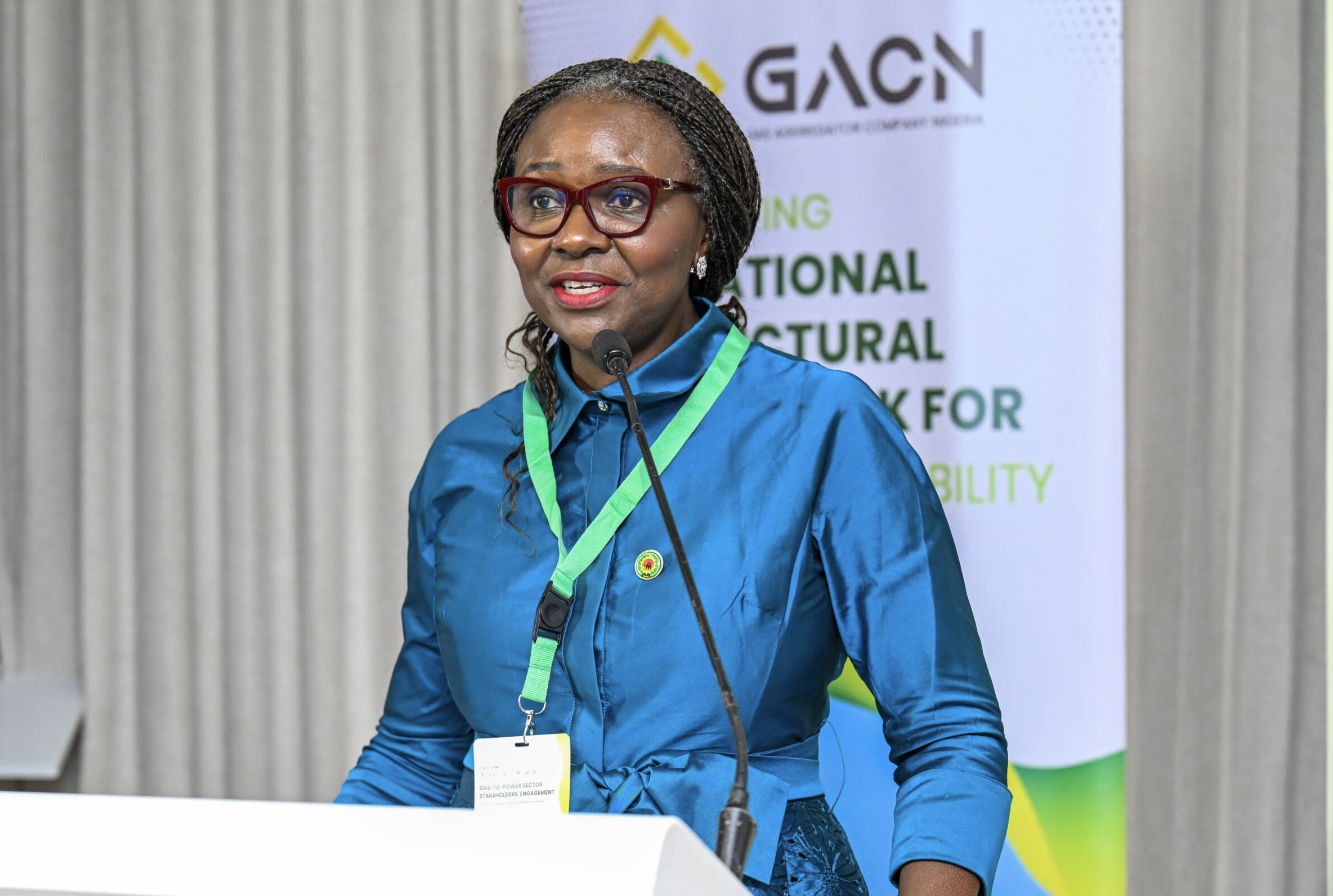
The Commission Chief Executive, Oritsemeyiwa Eyesan, made the call during the 2026 Gas-to-Power Sector Stakeholders’ Engagement held in Abuja, themed “Power Sector Sustainability: Framework Implementation Assurance.”
She warned that decades of fragmented implementation and weak coordination among key institutions have slowed progress despite Nigeria’s vast gas resources.
Eyesan traced the origins of Nigeria’s domestic gas framework back to 2008–2009, noting that repeated policy interventions have failed to deliver meaningful results due to siloed operations.
According to her, upstream gas producers, infrastructure developers, and power distribution companies have largely operated independently, undermining efficiency across the entire value chain.
She lamented that even budgetary allocations meant to support domestic gas development had not translated into tangible improvements over the years.
Nigeria’s Gas Wealth Undercuts Its Power Deficit
The NUPRC boss highlighted that Nigeria’s estimated 215 trillion cubic feet of gas reserves should have positioned the country as a major energy exporter and regional power hub.
Instead, she said the country continues to struggle with domestic supply shortages due to institutional bottlenecks and poor alignment among stakeholders.
“We should be talking about regional energy leadership, not just domestic supply,” she noted, stressing that Nigeria’s potential remains underutilised.
Eyesan criticised excessive bureaucracy and policy rigidity, warning that “grandstanding” and lack of practical coordination could keep Nigeria trapped in the same energy challenges for years.
She urged stakeholders to adopt innovative, collaborative approaches that can unlock long-term solutions for the power sector.
According to her, breaking institutional barriers is essential to achieving sustainable energy development in Nigeria and across Africa.