KEY POINTS
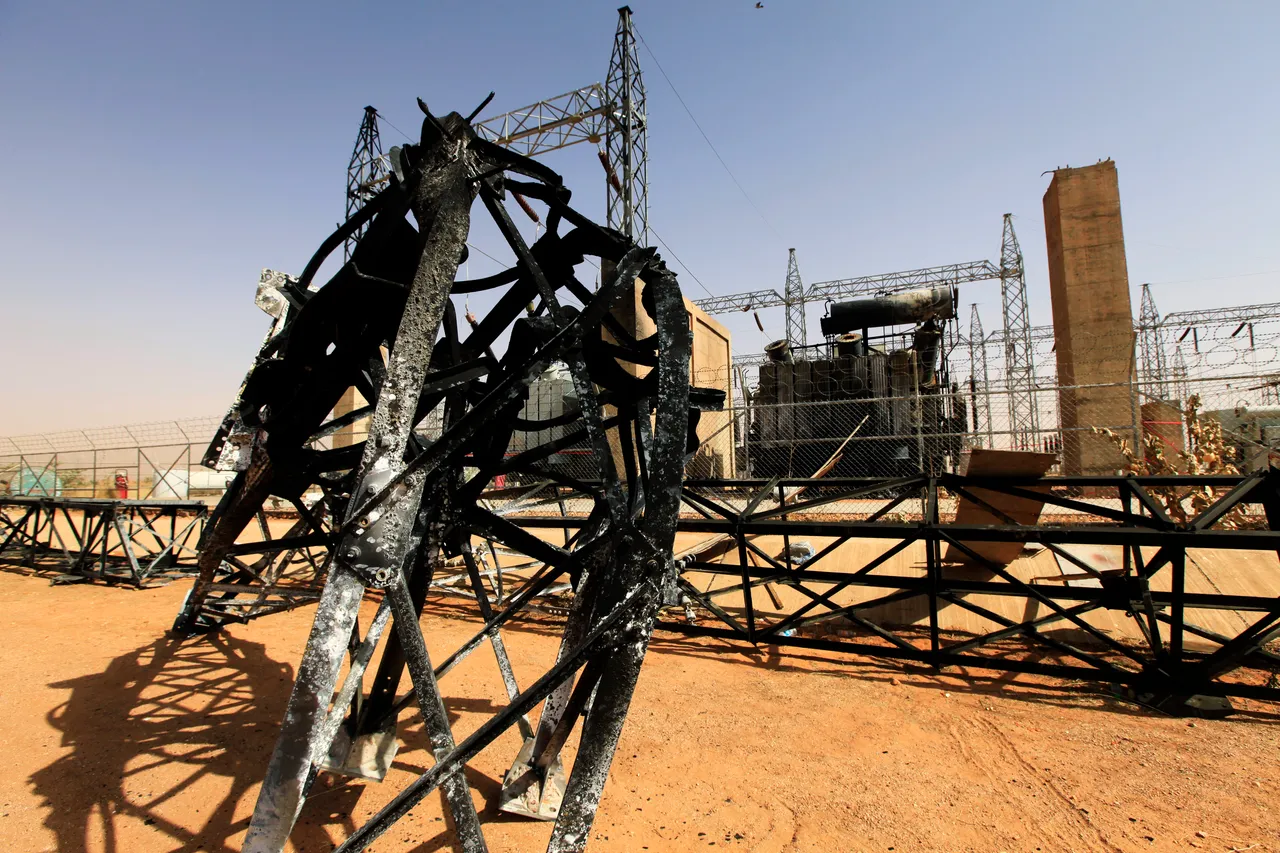
- Sudan’s electricity grid has suffered up to $3 billion in damage since the war began in 2023.
- Solar panel prices in Sudan have surged from SDG75,000 to SDG330,000 since the war began.
- UNDP has installed hundreds of solar water systems and supported over 110 health facilities in Sudan.
Sudan’s electricity grid has absorbed up to $3 billion in damage since war broke out in 2023, leaving millions of households, farms and clinics with no reliable power source and forcing a rapid pivot to solar energy, according to a new study by the United Nations Development Programme.
The report documents a country that has largely disconnected from its national grid and rebuilt a patchwork energy system out of necessity. Diesel is scarce and prices have soared. Solar, despite its own problems, has become the default.
Imports of solar panels surged in safer parts of the country, with new businesses opening to offer installations and repairs. But that momentum is now at risk. A 550-watt solar panel that cost around SDG75,000 before the war now sells for roughly SDG330,000. Battery prices have more than tripled. Currency collapse and disrupted supply chains are squeezing the sector that stepped in when the grid fell apart.
Solar holding the line on essential services
Telecom companies are running hybrid solar systems to keep mobile networks alive. Hospitals are using solar power to preserve vaccines and deliver emergency care. In farming areas, solar-powered irrigation is keeping crops in the ground despite diesel costs that make fuel-based pumping unviable.
Salil Idris, a cattle herder in El Gedaref, summed up the diesel reality plainly. “Diesel pumps posed major challenges, with frequent breakdowns and interruptions in water supply,” he said.
The UNDP said it has installed hundreds of solar-powered water systems and supported more than 110 health facilities across Sudan over the past five years, building a foundation that has become unexpectedly critical as the war has dragged on.
What recovery requires
UNDP Resident Representative in Sudan Luca Renda said solar power could be a central pillar of Sudan’s recovery, but only if the right conditions are put in place. “With these in place, solar can provide reliable power for millions of Sudanese,” Renda said.
He pointed to three specific requirements: improved access to finance, reliable equipment supply and expanded technical training. Without all three, the solar sector that has kept Sudan’s essential services running through two years of conflict will struggle to scale into a genuine reconstruction tool.
The UNDP study lands at a moment when Sudan’s humanitarian and infrastructure crisis is drawing renewed international attention, with reconstruction financing discussions still in their early stages and the conflict showing no clear signs of resolution.