KEY POINTS
- Global energy investment will reach a record $3.4 trillion in 2026, up 5 percent from 2025.
- Solar energy alone will attract $365 billion in 2026, equivalent to nearly $1 billion per day.
- Oil investment will fall for a third consecutive year in 2026, dropping below $500 billion globally.
The world is spending more on energy than at any point in history. Global energy investment is on track to reach $3.4 trillion in 2026, a 5 percent rise from 2025, with clean energy technologies attracting nearly double the capital flowing into oil, gas and coal, according to the International Energy Agency’s World Energy Investment 2026 report.
Of the total, approximately $2.2 trillion will go toward renewables, nuclear, electricity grids, battery storage, low-emissions fuels, efficiency and electrification. The remaining $1.2 trillion flows into fossil fuels. Low-emissions sources now account for more than 70 percent of total global power generation investment.
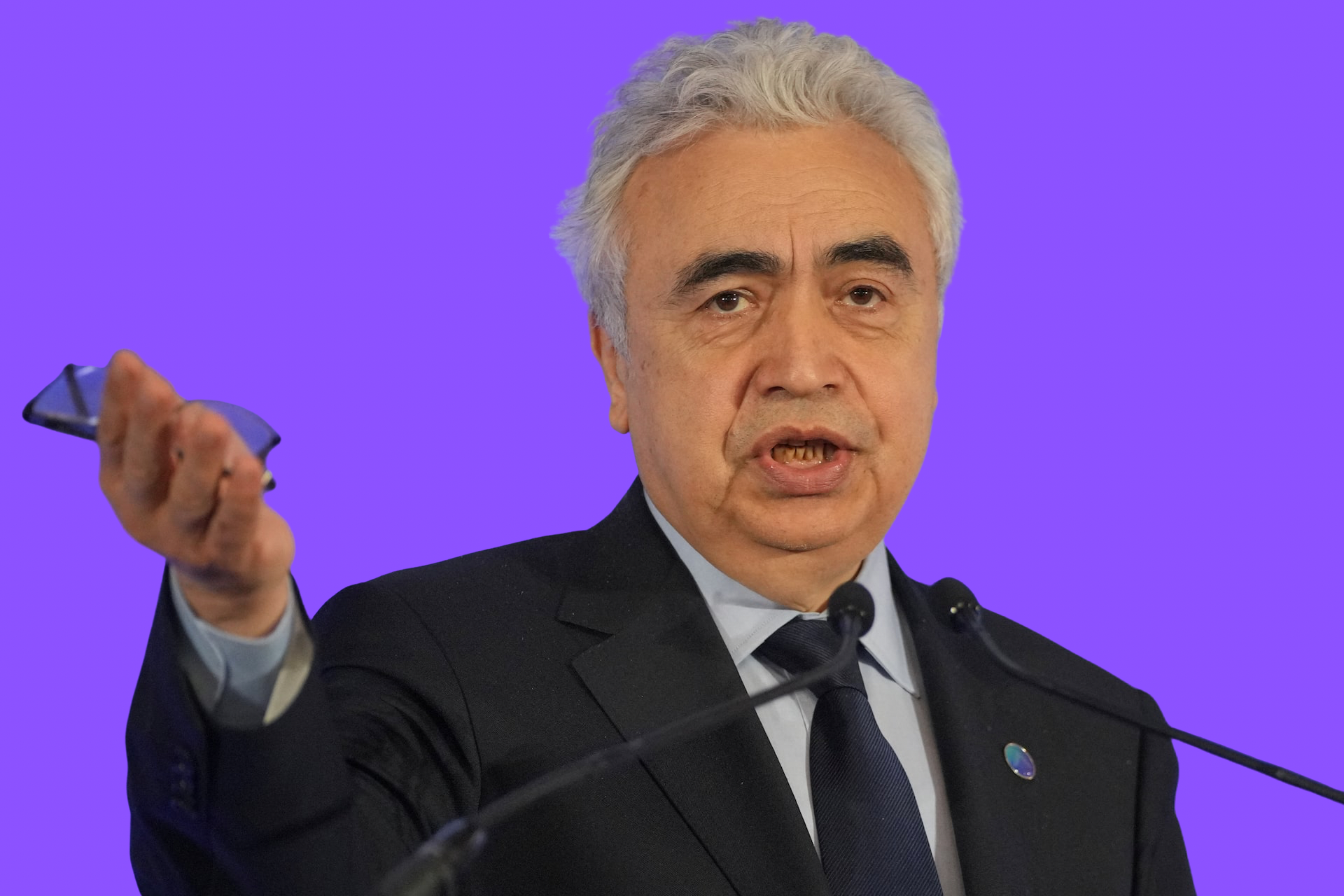
IEA Executive Director Fatih Birol described the current moment as the largest energy security crisis in history, with disruptions linked to the Strait of Hormuz conflict reshaping investment priorities toward domestic energy sources, grid resilience and supply diversification.
Solar leads, grids surge and nuclear rebounds
Solar energy is the defining story of 2026 energy capital allocation. Global renewable power project investment will reach around $665 billion this year. Solar alone will attract $365 billion, equivalent to nearly $1 billion per day. Wind energy investment will reach $200 billion and hydropower around $75 billion.
Grid investment is accelerating alongside generation. Spending on electricity grids is expected to approach $550 billion, representing nearly 20 percent annual growth. Battery storage investment will exceed $100 billion. Nuclear is also staging a comeback, with annual investment exceeding $80 billion and approximately 78 gigawatts of new nuclear capacity under construction across 15 countries.
Electricity-related spending now accounts for nearly 60 percent of all global energy investment, with total electricity supply and infrastructure investment reaching $1.6 trillion and rising toward $2 trillion when end-use electrification is included.
Fossil fuels are splitting in two directions
Oil and gas are diverging sharply. Oil investment is falling for a third consecutive year in 2026, dropping below $500 billion despite higher prices. Uncertainty over the duration of the Hormuz crisis, long project lead times and tighter offshore rig markets are limiting spending responses outside the Middle East.
Natural gas investment is moving in the opposite direction, rising to $330 billion, the highest level in a decade. More than 100 billion cubic metres of new LNG export capacity was approved in 2025, with nearly 90 percent of approvals located in the United States. Coal investment is also rising, reaching $180 billion in 2026, the highest since 2012, with China accounting for approximately 70 percent of global coal supply spending.
Africa accounts for just 2 percent of global clean energy investment, a figure the IEA flagged as a persistent structural gap despite the continent’s enormous renewable energy potential.