KEY POINTS
- NAEC acting chairman says Nigeria needs nuclear energy to power its artificial intelligence ambitions.
- Only 61 percent of Nigerians have electricity access and 80 percent of Nigeria’s data is stored outside Africa.
- Nigeria signed a 2023 MoU with Russia’s Tomsk Polytechnic University to train Nigerians in nuclear science.
Nigeria wants to be part of the global AI revolution. The problem is that it cannot power it.
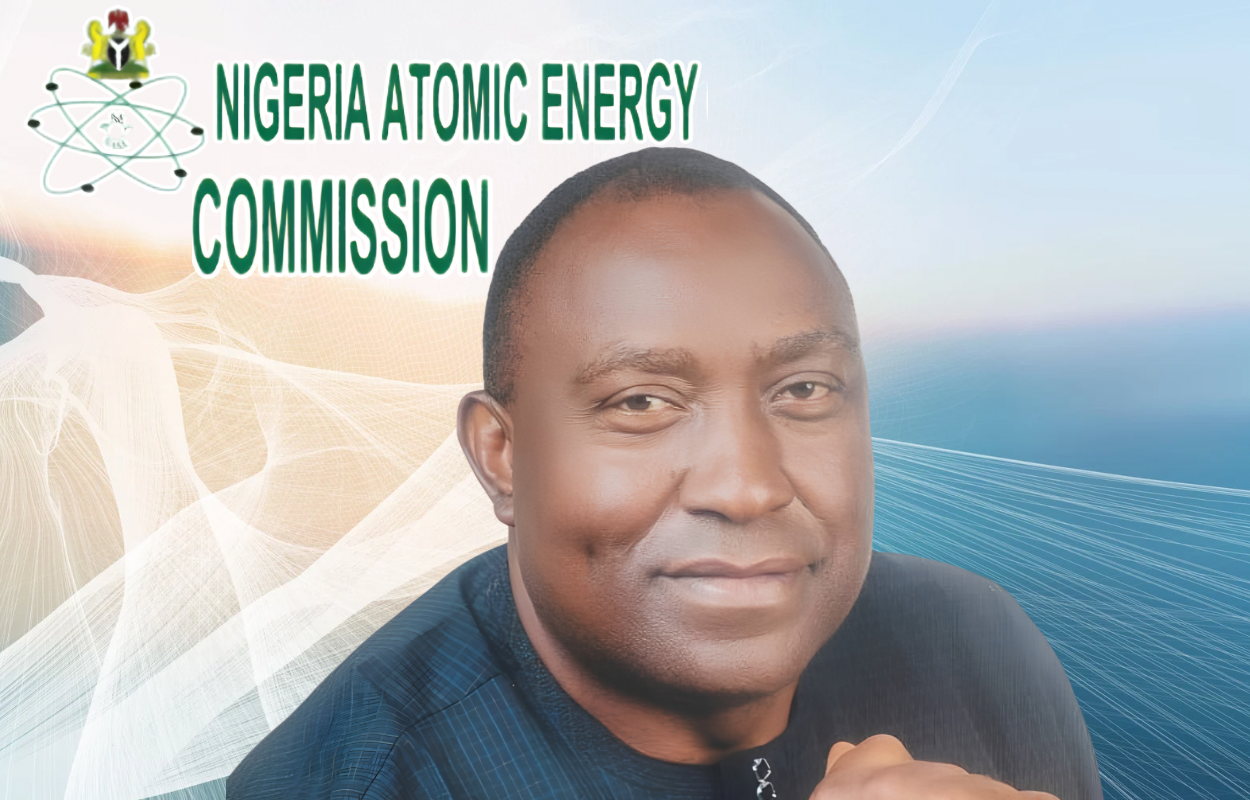
That is the diagnosis Engr. Dr. Anthony Ekedegwa, Acting Chairman of the Nigerian Atomic Energy Commission, delivered at a recent forum on Nigeria’s energy and digital future. Only 61 percent of Nigerians currently have access to electricity. Data centres operate at a fraction of capacity. Nigerian startups rely on computing power hosted abroad. Diesel generators keep the lights on for businesses that cannot afford outages.
“As demand grows, existing data centres are operating at a fraction of their capacity, with none currently ready to support the full scale of the AI boom,” Ekedegwa said. Around 80 percent of Nigeria’s data is stored outside the continent, he noted, linking energy reliability directly to digital sovereignty.
Nigeria’s electricity mix is the core problem. Fossil fuels account for about 80 percent of generation. The rest comes almost entirely from hydropower plants including Kainji, Jebba, Shiroro and Zungeru. Both have structural limits. Nigeria lacks the refineries to process its own crude, so diesel and gasoline come from imports. Hydropower depends on rainfall.
Nuclear as the missing link
Ekedegwa’s argument is specific. AI and digital infrastructure require two things: reliable baseload power and a pipeline of skilled engineers. Nuclear energy, he said, is one of the few sources that demands both at the same time.
“Nuclear energy represents a nexus. Scaling digital infrastructure and AI requires both reliable power and highly skilled professionals, and nuclear projects demand progress on both simultaneously,” he said.
Nigeria already operates a research reactor. NAEC works with Ahmadu Bello University and the University of Nigeria, Nsukka, to develop nuclear science programmes. In 2023, NAEC signed an MoU with Tomsk Polytechnic University in Russia. Nigerian students are now training in nuclear science at multiple Russian institutions under programmes supported by Rosatom.
Talent and power must grow together
The government launched the 3 Million Technical Talent Programme in 2023 through the Federal Ministry of Communications and Digital Economy, targeting three million technology specialists by 2027. Innovation hubs such as the Ilorin Innovation Hub are supporting startup development. The African Development Bank has financed hybrid solar installations at eight Nigerian universities under a $200 million electrification programme.
Ekedegwa said none of it will reach its full potential without stable baseload power. “Nigeria’s ability to realise its digital ambitions will depend on how well the country aligns its energy policy with long-term talent development,” he said. The two cannot be separated. One without the other limits how far Nigeria can go.