KEY POINTS
- ExxonMobil supplied a B30 biofuel blend made from FAME distillation residue for a successful sea trial.
- The trial recorded stable engine performance with no operational or fuel-handling issues.
- The new fuel could help shipping companies cut greenhouse gas emissions and meet stricter environmental regulations.
ExxonMobil and global shipping company Wallenius Wilhelmsen have successfully completed a sea trial using a B30 biofuel blend, marking another step toward reducing greenhouse gas emissions in the maritime industry.
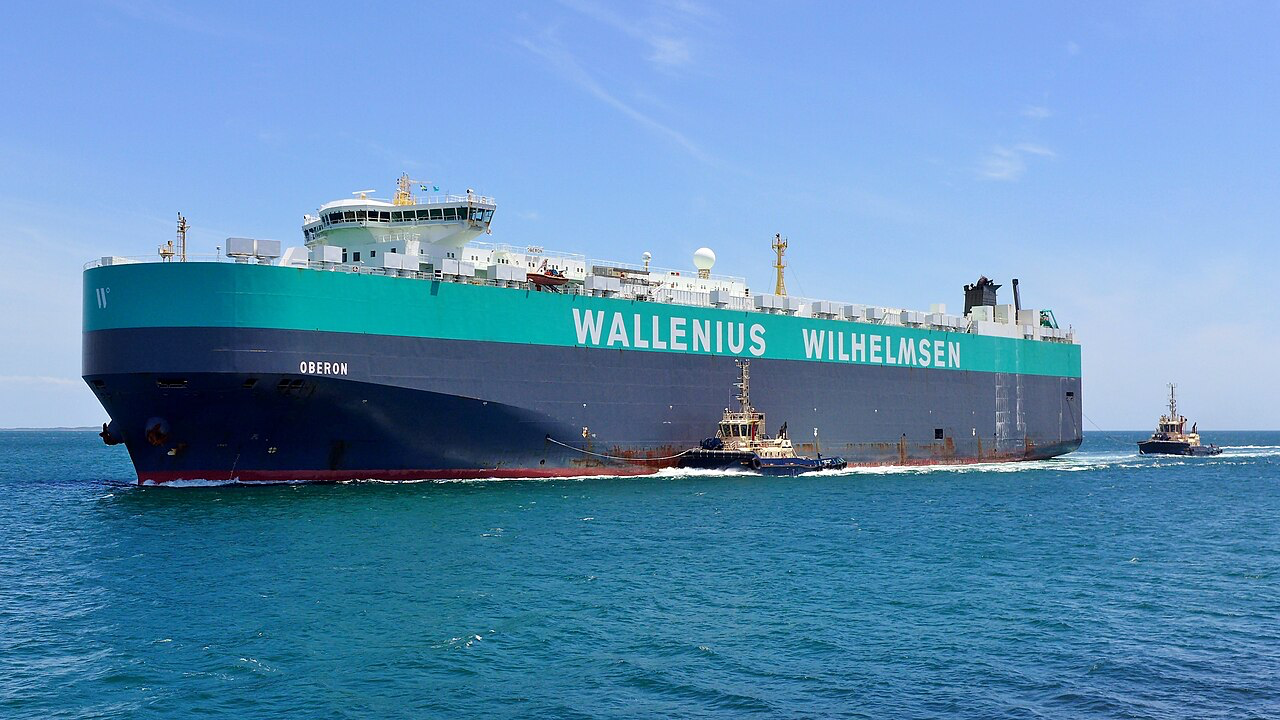
The trial involved the use of a B30 Very Low Sulphur Fuel Oil (VLSFO) blend containing 30 percent biofuel produced from fatty acid methyl ester (FAME) distillation residue. The fuel was supplied by ExxonMobil and bunkered onto the vehicle carrier Titus at the Port of Zeebrugge before the vessel embarked on the trial voyage.
Biofuel Produced from Industrial Residue
According to ExxonMobil, the B30 VLSFO complies with the RMG380 residual fuel oil classification and meets the requirements of the ISO 8217:2017 marine fuel standard, with the exception of the biofuel component.
Unlike conventional marine biofuels produced from used cooking oil methyl ester (UCOME), this blend is made using FAME distillation residue, a by-product generated during biodiesel production.
The company explained that using this residue offers a significant sustainability advantage because it is not in direct competition with other transport sectors for feedstock. This makes it a promising alternative as demand for low-carbon fuels continues to rise globally.
ExxonMobil noted that the FAME distillation residue has physical properties that are closer to conventional VLSFO than standard FAME biofuel. In particular, its density and viscosity are more similar to traditional marine fuel.
These characteristics reduce the drop in fuel viscosity often experienced with conventional FAME blends, making the fuel easier to store, handle and use aboard ships.
The company also revealed that extensive laboratory testing confirmed excellent compatibility between petroleum-based VLSFO and the new B30 blend before the sea trial was carried out.