KEY POINTS
- Global gas turbine orders hit a record 38GW in Q2, driven by data centre and AI power demand.
- Nigeria holds huge gas reserves but left N81.67 billion of gas invoices unpaid in early 2026, squeezing supply.
- Only 38 percent of Nigeria’s installed power capacity was available in December 2025, raising the risk of more exports.
A global rush to build gas-fired power plants could open a major export opportunity for Nigeria’s gas industry, yet it also risks pulling fuel away from the country’s own starved power plants.
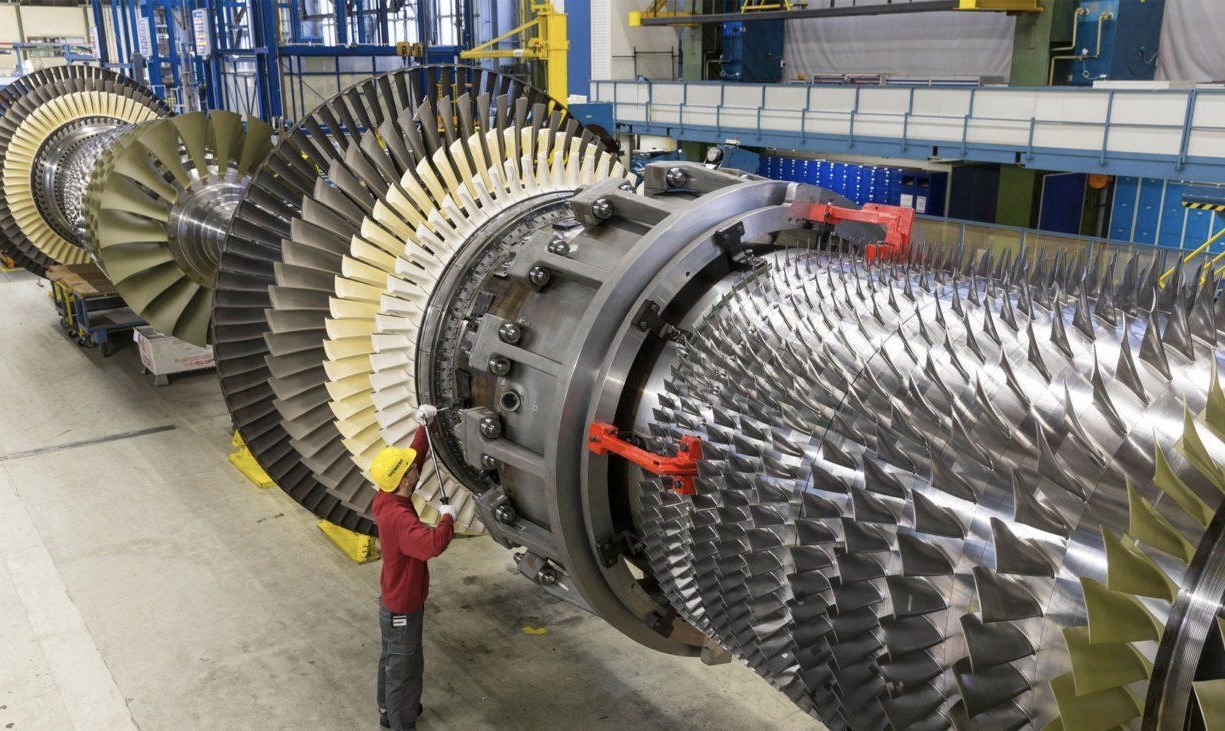
Global orders for gas turbines hit a record 38 gigawatts in the second quarter, up 29 percent on the previous quarter and 71 percent year on year, according to JP Morgan. Moreover, rising electricity demand from data centres, artificial intelligence and reshored manufacturing drove the surge.
A familiar contradiction at home
The boom exposes a familiar contradiction for Nigeria, since the country holds one of the world’s largest gas reserves yet cannot reliably fuel its own plants. Furthermore, suppliers increasingly carry the financial burden without prompt payment. According to the Nigerian Bulk Electricity Trading Company, N81.67 billion of gas invoices went unpaid in the first five months of 2026, about 57.3 percent of the N142.6 billion approved, with only N60.93 billion settled.
Consequently, the debts squeeze supply even though more than 80 percent of Nigeria’s plants run on gas. Nigeria’s December 2025 data show the strain, as the regulator reported that only 5,151 megawatts of 13,625 megawatts of installed capacity could dispatch, a plant availability factor of just 38 percent.
Export pull versus domestic need
Still, the international market keeps expanding. Siemens Energy took 12.5 gigawatts of the second-quarter orders, General Electric 11.3 gigawatts and Mitsubishi Power 5.3 gigawatts, while the United States alone booked about half. Because demand now outpaces supply, Bloomberg NEF said lead times for new combined-cycle plants stretched to five years in 2025 from about three and a half in 2023, as costs climbed 49 percent.
Therefore, analysts expect gas to stay in demand. Wood Mackenzie projected that turbine prices could jump as much as 195 percent by 2027 to $600 a kilowatt, since orders of about 110 gigawatts now dwarf manufacturing capacity of 60 to 70 gigawatts. However, if Nigeria cannot build a payment-worthy domestic market, producers will favour export projects, and the country could monetise its gas abroad while its own plants run below capacity.