KEY POINTS
- NMDPRA wants West Africa to develop an integrated fuel trading and pricing market.
- Dangote Refinery’s growing output is reshaping regional petroleum supply chains.
- Regulators are seeking stronger infrastructure, investment, competition and cross-border cooperation.
The Nigerian Midstream and Downstream Petroleum Regulatory Authority, NMDPRA, has called for the development of a fully integrated West African petroleum market as growing refining capacity begins to transform fuel supply chains across the region.
The regulator said West Africa has the resources, consumers and market potential needed to become a major centre for petroleum pricing, trading, investment and price discovery, but achieving that ambition will require stronger infrastructure, greater regulatory cooperation, improved logistics and increased investment.
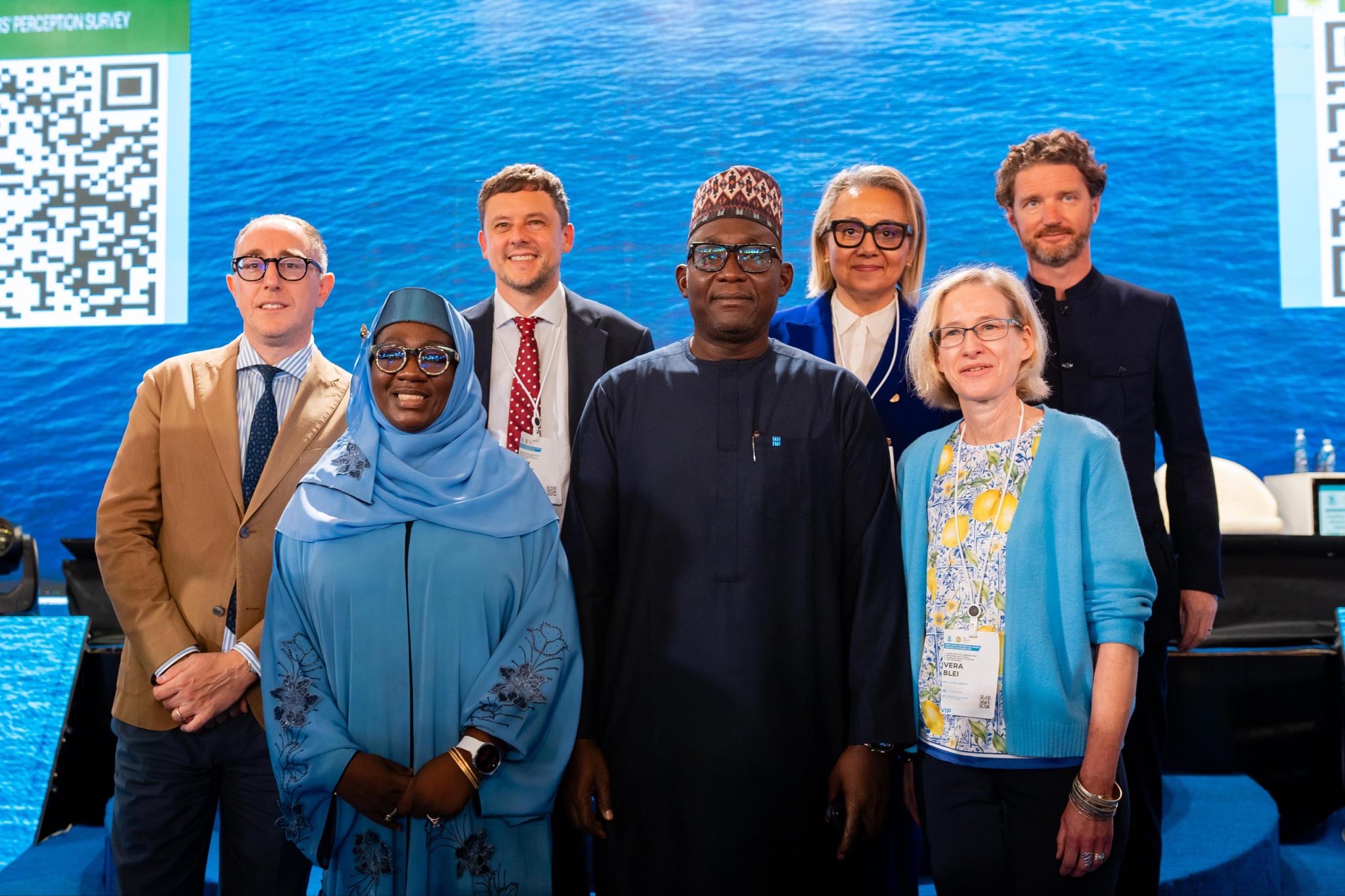
Rabiu Umar, Chief Executive of the NMDPRA and Chairman of the West Africa Regulators’ Forum (WARF), made the call at the West Africa Refined Fuel Market Conference in Abuja.
The conference was organised by the NMDPRA in partnership with S&P Global Commodity Insights and WARF and brought together government officials, regulators, industry executives, investors and other major stakeholders in the petroleum sector.
Umar said the West African petroleum industry is entering a new phase as large-scale domestic refineries, particularly the Dangote Refinery, begin to alter traditional fuel supply patterns.
He said the discussion should no longer focus on whether West Africa can develop into a credible petroleum pricing and trading hub, but on what needs to be done to make that ambition a reality.
According to him, the region must build the infrastructure, mobilise the necessary capital, improve operational efficiency, strengthen data-sharing systems and deepen cooperation among regulators and market participants.
The NMDPRA chief said success should ultimately be measured by how efficiently petroleum products move across borders, the reliability of regional supplies, the confidence of investors, the expansion of intra-African trade and the extent to which local market conditions influence petroleum prices.
He argued that Africa must gradually move away from its traditional position as a price-taker in global petroleum markets and become a stronger participant in price discovery, petroleum trading and investment.
Infrastructure and Logistics Remain Critical
Umar stressed that West Africa cannot establish an internationally competitive fuel market without significant improvements in its physical infrastructure and operational systems.
He called for more efficient ports, faster terminal turnaround times and safer, more reliable pipelines and storage facilities.
He also urged refineries across the region to maintain high utilisation rates, improve reliability and achieve competitive production yields.
According to him, inefficient logistics continue to create avoidable costs through delays, demurrage, product losses and unnecessary transportation expenses.
Technology, he added, must play a greater role in transforming the industry.
He identified inventory management, product tracking, demand forecasting, scheduling and real-time operational visibility as areas where technology could significantly improve efficiency and transparency.