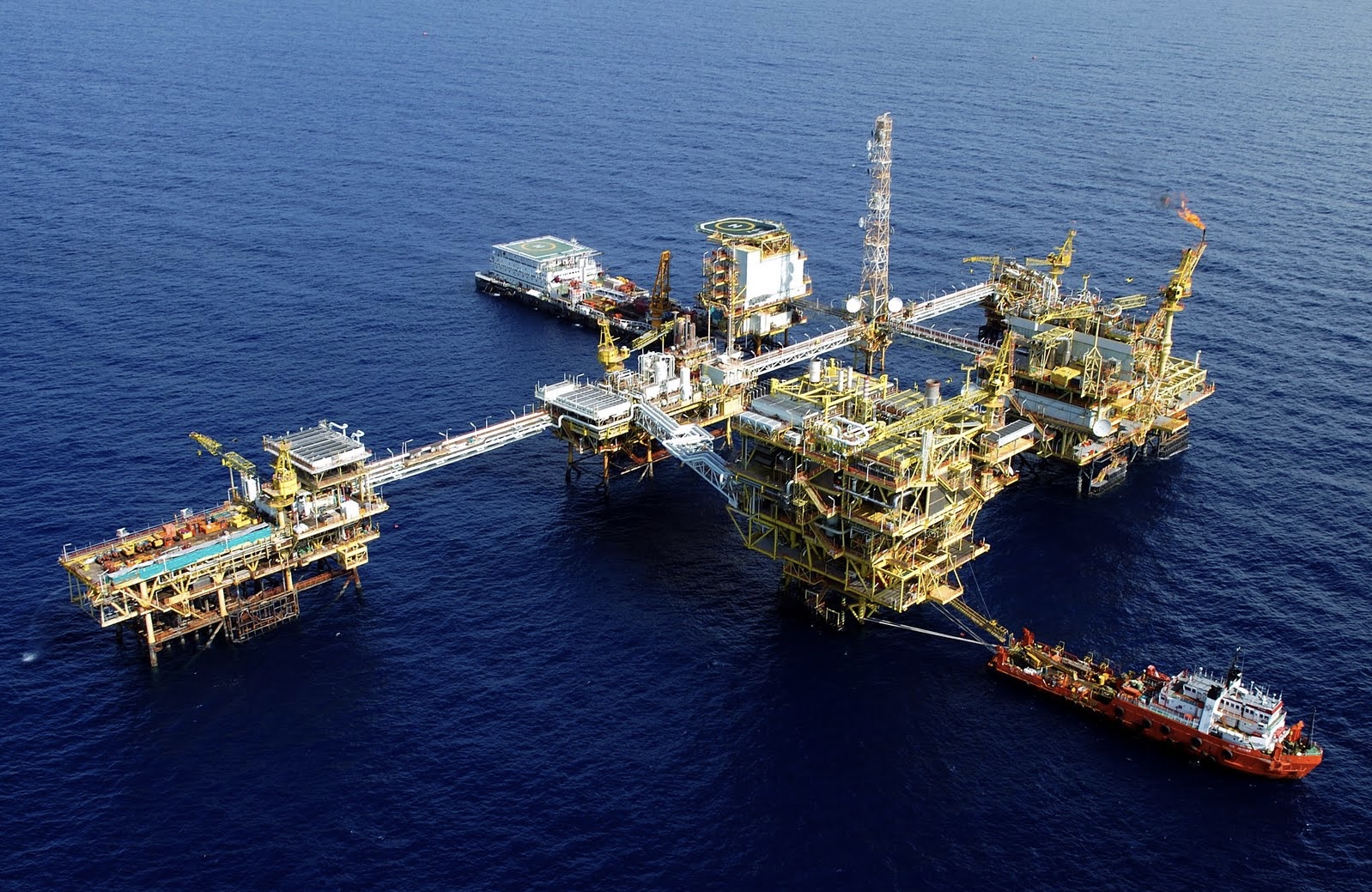
KEY POINTS
- Nigeria has produced more than 4.6 billion barrels of crude from deep offshore fields.
- NUPRC expects new incentives to unlock nearly 1 million additional barrels per day within four to five years.
- Nine projects have approved development plans, with the $10bn Bonga South project expected to begin contributing from 2027.
Nigeria could significantly increase its crude oil production from deep offshore assets following the introduction of new investment incentives aimed at accelerating oil and gas developments, according to the Nigerian Upstream Petroleum Regulatory Commission, NUPRC.
The commission said the country has already produced more than 4.6 billion barrels of crude from deep offshore fields, highlighting the sector’s importance to Nigeria’s oil industry and its potential to support future production growth.
NUPRC Commission Chief Executive Oritsemeyiwa Eyesan said the 4.6 billion barrels extracted from deep offshore operations would amount to roughly 5,000 tanker cargoes.
She explained that deep offshore production currently contributes about 24 per cent of Nigeria’s crude oil and condensate output, as well as around 19 per cent of the country’s gas production.
Nigeria currently produces approximately 1.7 million barrels per day of crude oil and condensate, making deep offshore assets an important component of the country’s overall production capacity.
New incentives expected to unlock fresh production
Eyesan said the Deep Offshore Oil and Gas Project Incentives (Tax Remission) Executive Order 2026, recently signed by President Bola Tinubu, is expected to improve investment conditions and encourage oil companies to accelerate major projects.
The reform is designed to establish a more predictable and transparent investment framework for deep offshore developments, which typically require billions of dollars in capital and long development periods.
According to the NUPRC, the incentives could help unlock an additional one million barrels per day of crude oil and condensate production from deep offshore projects over the coming years.
The commission said nine deep offshore projects already have approved Field Development Plans (FDPs), putting them at the stage where oil companies can move towards Final Investment Decisions (FIDs).
Eyesan said the next major step is for the operators behind these projects to commit the required capital and begin development.
One of the major projects highlighted is the $10 billion Bonga South development, which is expected to contribute to Nigeria’s production from 2027.
The NUPRC expects the combined developments to deliver close to one million additional barrels per day within the next four to five years.
The expected increase in production comes as Nigeria continues efforts to attract fresh investment into its upstream oil sector and reverse years of production challenges.
The government has been pursuing regulatory and fiscal reforms aimed at making large-scale oil projects more commercially attractive, particularly as international oil companies reassess their investments in mature assets and focus on more profitable developments.
Faster implementation of approved projects could help Nigeria strengthen crude exports, increase government revenues and improve foreign exchange earnings.
The deep offshore sector is therefore expected to remain central to Nigeria’s strategy of increasing oil production, particularly if the new incentives succeed in moving approved projects from planning to construction and eventual production.