KEY POINTS
- Seplat CEO Effiong Okon urged oil and gas firms to target 95% equipment uptime to reduce production losses.
- He called for action against ageing assets, routine gas flaring and inefficient logistics to cut operating costs.
- Seplat plans to accelerate development of about 12 TCF of shallow-water gas resources and expand domestic LPG supply.
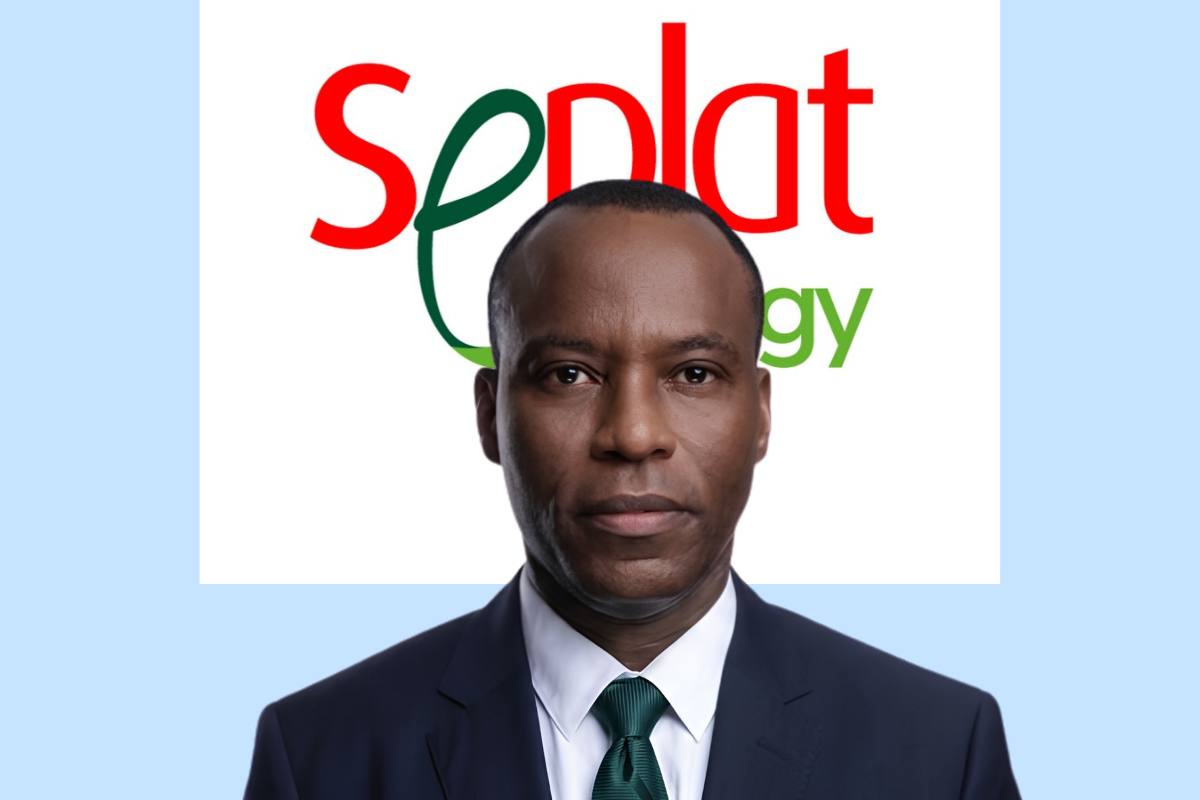
The Chief Executive Officer of Seplat Energy, Engr. Effiong Okon, has urged independent oil and gas operators in Nigeria to make asset integrity a priority, warning that ageing equipment, inadequate maintenance and outdated infrastructure could undermine production efficiency and investment returns.
Speaking at the 49th Nigeria Annual International Conference and Exhibition (NAICE), organised by the Society of Petroleum Engineers (SPE) in Lagos, Okon said operators must adopt stronger maintenance and asset life-extension strategies to maximise the value of their investments and build more resilient energy systems.
The conference was held under the theme, “Building Resilient Energy Systems in a Rapidly Evolving Energy Landscape.”
Okon said oil and gas companies need to keep critical production equipment operating at top-quartile performance levels, targeting about 95 per cent uptime.
He explained that achieving high equipment availability would help minimise unplanned production deferment, which occurs when companies are unable to produce or evacuate oil and gas as scheduled because of equipment failures or operational challenges.
According to him, operators must have a comprehensive understanding of their assets, from the reservoir and wells to flow lines and surface facilities.
He stressed that asset integrity should not be limited to individual pieces of equipment but should cover the entire production chain. The Seplat chief executive also called on operators to address equipment obsolescence before it becomes a major operational problem.
He said companies should deliberately pursue life-extension programmes for existing facilities, particularly where replacing entire assets would be significantly more expensive than upgrading or maintaining them.
Such strategies, he noted, could help operators reduce unnecessary capital expenditure while extending the productive life of valuable oil and gas infrastructure.
Cost-cutting should go beyond maintenance
Okon identified several areas where oil and gas companies could reduce operating costs while improving efficiency.
He highlighted effective water treatment, the elimination of routine gas flaring and the monetisation of every available gas molecule as key opportunities.
Rather than continuing to pay penalties for gas flaring, he urged operators to invest in systems that capture and commercialise associated gas.
He also recommended reducing redundant evacuation routes and improving logistics and outsourcing capacity as additional ways of lowering operating expenses.
Okon said Seplat Energy remains committed to expanding domestic gas production and monetisation.
He disclosed that the company’s shallow-water business has approximately 12 trillion cubic feet (TCF) of gas resources that it plans to unlock, accelerate and commercialise more aggressively.
He described Seplat as a leading player in Nigeria’s domestic gas development and said the company is also expanding its Liquefied Petroleum Gas (LPG) activities.
According to him, increased LPG deployment can help reduce dependence on biomass for cooking while contributing to efforts to lower carbon emissions.
The Seplat CEO also stressed the importance of developing skilled professionals capable of managing Nigeria’s increasingly complex oil and gas assets.
He called on SPE to produce more engineers and technical professionals to address the industry’s skills shortage.
Okon said better technical knowledge of reservoirs, wells and surface facilities, combined with adequate access to capital, would enable operators to improve efficiency and optimise the value of their assets.
He added that Seplat’s strategy of balancing shareholder returns through dividends and share appreciation with continued investment in the company’s future remains central to its growth plans.