

KEY POINTS
- China’s solar capacity reached 1,288 GW at the end of July, edging past coal’s 1,285 GW to lead all installed power sources.
- Solar still generates less than coal, as wind and solar supplied 24.6 percent of first-half power against coal’s 49.7 percent, coal’s first drop below 50 percent.
- New solar installations have slowed this year after a shift from fixed feed-in tariffs to market-based pricing, though the fleet keeps growing.
Solar has overtaken coal as China’s largest source of installed power capacity, state-run media reported on Tuesday, a symbolic milestone even though solar still trails coal sharply in actual electricity generation.
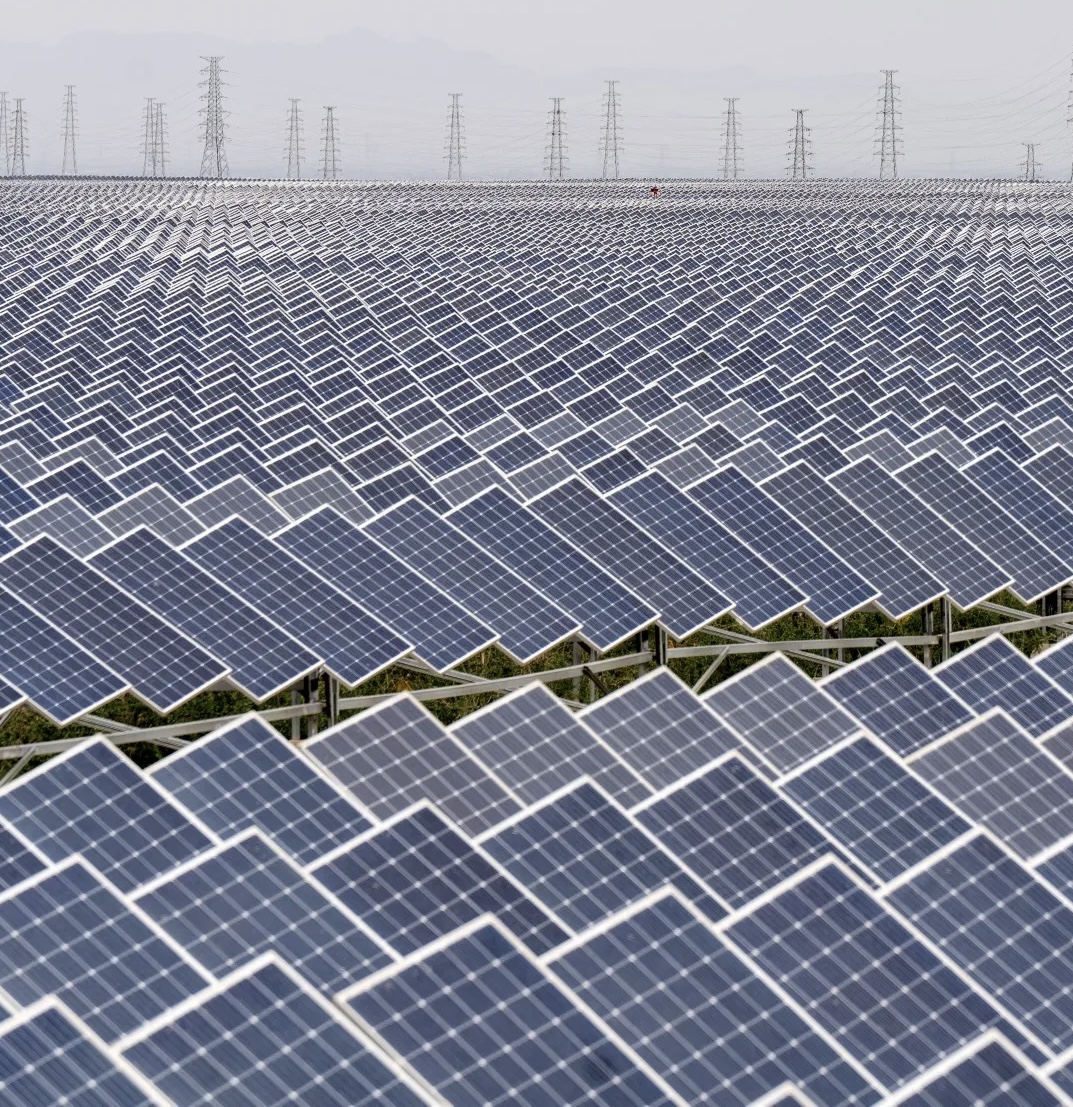
Solar farms passed coal plants in July, according to the report. Specifically, China held 1,288 gigawatts of solar capacity at the end of the month, edging past coal’s 1,285 gigawatts, based on energy administration figures and state media. Moreover, the shift underscores how fast the country has built out clean power.
Capacity leads, generation lags
However, capacity does not tell the whole story. Solar cannot produce electricity when the sun is not shining, so its share of actual output stays lower. Consequently, wind and solar together supplied 24.6 percent of the power mix in the first half, while coal still provided 49.7 percent.
Still, that coal figure marked a turning point. According to the energy administration, it was the first time coal’s share of generation dropped below 50 percent. Therefore, the milestone signals a gradual but real reshaping of the world’s biggest power system, even as coal keeps doing most of the heavy lifting.
A years-long shift accelerates
The capacity crossover did not happen overnight. Indeed, China’s installed wind and solar surpassed the coal fleet for the first time in March last year, so renewables had already overtaken coal on a combined basis before solar alone did.
Nevertheless, the pace of new solar has eased. Furthermore, installations have slowed this year compared with last, following a policy shift away from fixed feed-in tariffs toward market-based pricing. Additionally, that change has cooled the rush to build, since developers now face less certain returns on new projects.
Even so, the overall fleet keeps expanding. Ultimately, the July milestone shows both the scale of China’s renewable push and its limits, as a vast and still-growing solar base sits alongside a coal system that continues to generate the largest share of the country’s electricity. The gap between capacity and generation, analysts note, will take years of storage and grid upgrades to close.