KEY POINTS
- Petrol prices have risen to as high as N1,350 per litre in parts of Abuja and other states.
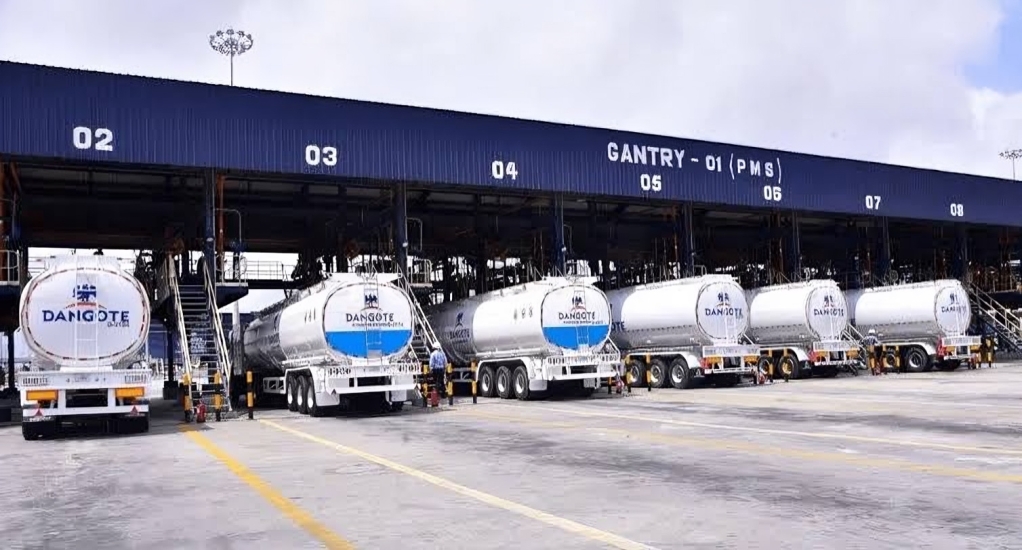
- Dangote Refinery reportedly raised its gantry price from N1,165 to N1,265 per litre within a week.
- Higher petrol costs could drive further increases in transport fares, food prices and other essential goods.
Petrol prices have climbed to as high as N1,350 per litre in parts of Nigeria following a series of increases in the gantry price of Premium Motor Spirit (PMS) by the Dangote Refinery.
The latest adjustments have triggered fresh concerns over transportation costs and the prices of food and other essential commodities as households continue to face elevated living expenses.
Checks in Abuja, Enugu and Ebonyi showed that several filling stations raised their pump prices, with some locations recording increases of up to N100 per litre within 24 hours.
In parts of the Federal Capital Territory, petrol was selling between N1,280 and N1,350 per litre, while some filling stations in Enugu raised their prices to about N1,330 per litre.
The latest round of increases began on Sunday, August 30, when several stations reportedly moved prices from around N1,230 to N1,300 per litre.
By Monday morning, some outlets had raised their prices again to N1,330, with further adjustments possible if supply costs continue to rise.
In Enugu, Pinnacle Oil and Gas in New Haven and AYM Shafa along the Enugu-Abakaliki Federal Highway reportedly increased their prices from N1,240 to N1,330 per litre in less than 24 hours.
Similar increases were recorded in Abuja, where Eterna sold petrol at N1,320 per litre, Gegu Oil at N1,310 and Salbas Oil at N1,330. Nipco and AY Shafa sold at N1,350, while TotalEnergies sold at N1,280 per litre.
Dangote Refinery Drives Gantry Price Increases
The pump price increases followed several adjustments to the refinery’s gantry price within a single week.
According to Chinedu Ukadike, National Publicity Secretary of the Independent Petroleum Marketers Association of Nigeria, the Dangote Refinery initially increased its gantry price from N1,165 to N1,185 per litre.
The price was subsequently raised to N1,200 before another increase took it to N1,265 per litre.
Ukadike said the repeated changes had made it increasingly difficult for marketers to maintain stable pump prices.
He explained that marketers could not sustainably sell petrol below their replacement cost, while frequent changes in wholesale prices were creating uncertainty for businesses and consumers.
The latest petrol increase is expected to put additional pressure on transportation costs and the prices of goods and services.
Commercial transport operators typically factor fuel costs into fares, meaning commuters could face higher charges as operators adjust to the latest pump price increases.
The impact could also extend to food and other household necessities because of the cost of transporting goods from producers and distributors to markets.
Motorists have expressed frustration over the frequency of petrol price adjustments, with consumers already struggling to cope with high food and household expenses.
Some motorists have called on the Federal Government to intervene and explore measures that could bring greater stability to the downstream petroleum market. The domestic price increases also come against the backdrop of renewed tensions between the United States and Iran, which have heightened concerns about global crude oil supplies.
The reported US military strike on Iran’s Larak Island in the Strait of Hormuz, followed by an Iranian retaliatory operation against US military facilities in Jordan, has increased concerns about the security of the strategic waterway.
The Strait of Hormuz is one of the world’s most important oil-shipping routes, and any prolonged disruption could have significant implications for global crude and petroleum prices.
Rising geopolitical tensions have therefore added volatility to international oil markets as traders assess the possibility of supply disruptions if the conflict escalates. Despite being a major crude oil producer, Nigeria remains vulnerable to international oil-price movements because domestic petroleum pricing is influenced by global crude prices as well as the cost of supplying and replacing refined products.
The latest petrol price increases therefore highlight the continuing sensitivity of Nigeria’s downstream market to changes in refinery prices, supply costs and international energy-market conditions.
With petrol prices already reaching N1,350 per litre in some locations, consumers and businesses now face the prospect of another round of higher transportation and operating costs if the upward trend continues.