KEY POINTS
- AI-driven demand from Samsung, SK Hynix and new data centres could lift South Korea’s power needs by 25 to 30 GW, the energy minister says.
- A long-term energy roadmap due next month, extended to 2040, will weigh building more nuclear reactors, potentially equal to about 20 new units.
- A poll showed 79 percent back new nuclear plants, but a Ulsan civic group gathered 10,000-plus signatures against them on safety grounds.
South Korea’s power demand is set to soar in the coming years as chipmakers Samsung Electronics and SK Hynix expand production and new AI data centres rise, its energy minister said, prompting a fresh look at nuclear power.
Those AI-driven needs alone will lift demand by 25 to 30 gigawatts, Climate, Energy and Environment Minister Kim Sung-whan said. Moreover, he said the shift from gasoline cars to electric vehicles and from gas heating to electricity will pile on further demand.
Nuclear back in focus
His comments come ahead of a government plan, due next month, to extend the long-term energy roadmap by two years to 2040. Specifically, one key question is whether South Korea will commit to building more nuclear reactors. However, Kim declined to say how many, calling the matter under expert review while describing nuclear as an essential part of the energy mix.
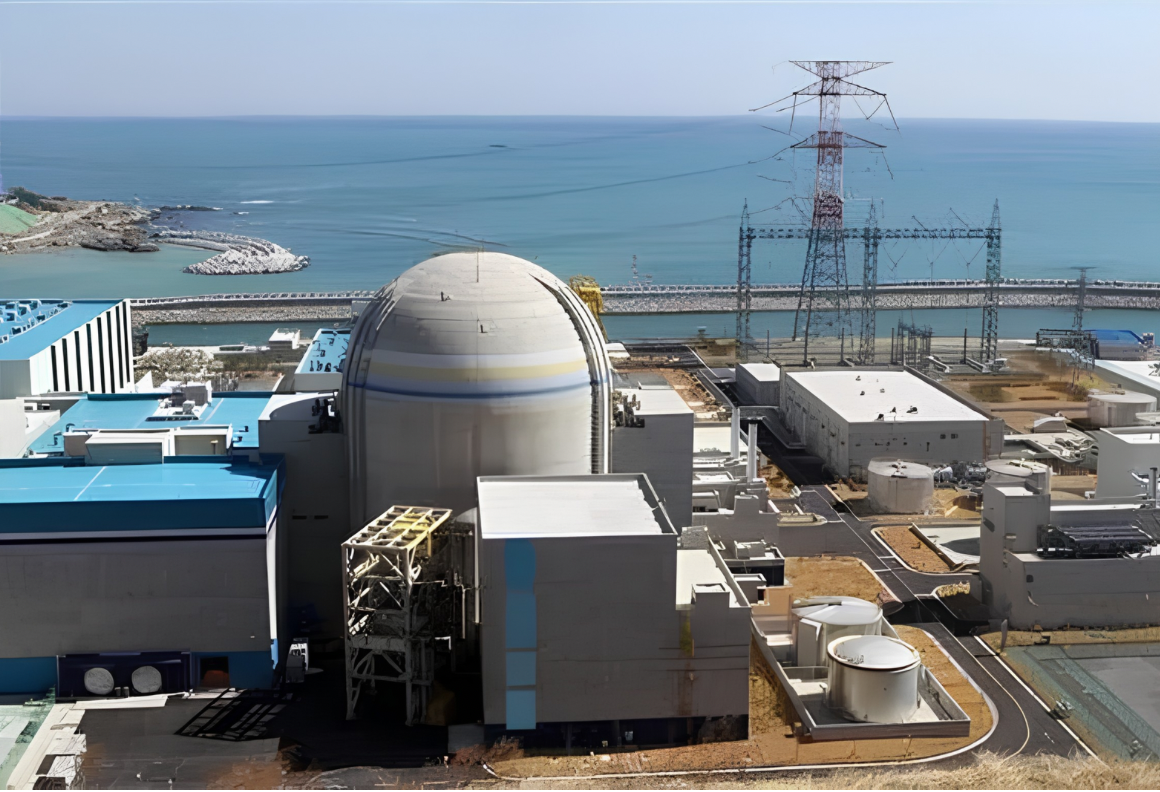
The scale is large. According to Kim, meeting 25 to 30 gigawatts from nuclear alone would equal about 20 reactors at current South Korean design standards. Furthermore, the country already runs 26 reactors, which supply just under a third of its power.
Safety concerns and the wider mix
The demand surge tracks a huge industrial push. Specifically, Samsung and SK Hynix have pledged new plants in the southwest under an 800 trillion won mega project, with timelines pulled forward to the early 2030s from around 2045. Additionally, Kim said US tech firms including Nvidia have shown interest in Korean data centres, citing dependable power.
Nevertheless, public unease persists. While a state-agency poll found 79 percent of respondents backed new nuclear plants, a civic group in Ulsan gathered more than 10,000 signatures against additional reactors on safety grounds. Consequently, Kim said the southwest chip cluster should not need a new plant, since six reactors already operate there alongside solar and wind.
Ultimately, the transition stays gradual. South Korea aims to phase out its 60 coal plants by 2040, yet Kim said some may stay as emergency backup, since dismantling everything could leave the grid exposed.