KEY POINT
- Libya has restored oil production after a brief shutdown.
- Three oilfields were affected by the protest.
- Petroleum Facilities Guard members ended their protest.
Libya’s oil production has returned to normal after a brief shutdown of three oilfields by members of the Petroleum Facilities Guard, according to National Oil Corporation, NOC, Chairman Massoud Suleman.
Suleman told Reuters that the disruption was limited and that he did not expect the latest protest to lead to further shutdowns.
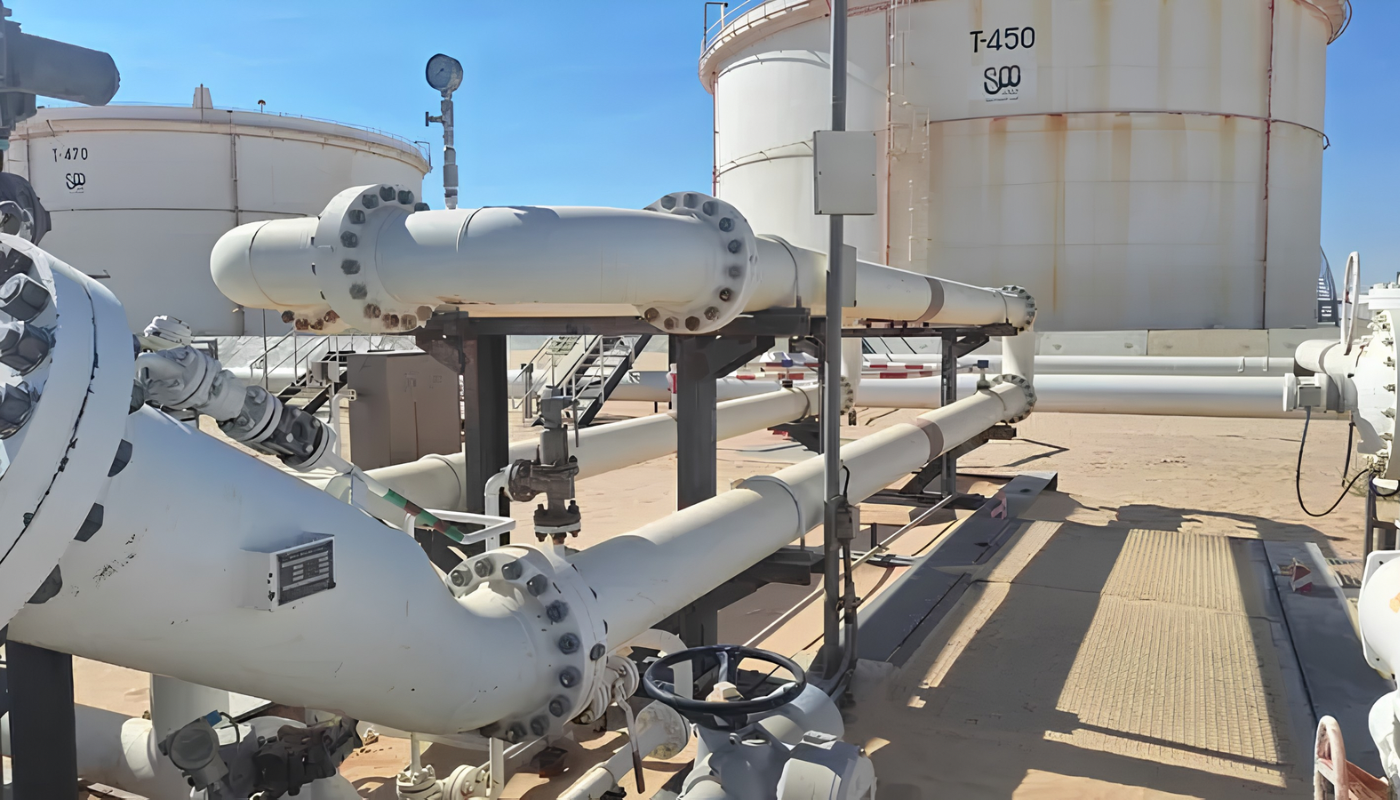
The temporary stoppage affected the Hamada, Tahara and NC5 oilfields after security personnel closed a valve on the main Hamada-Zawiya crude-loading pipeline. The action halted production from the three fields before operations were restored.
Members of the Petroleum Facilities Guard, which is responsible for protecting Libya’s oil infrastructure, ended their protest on Wednesday, according to two protesters who spoke to Reuters anonymously.
The protesters said they planned to discuss their demands with officials of the National Oil Corporation in Tripoli during the week.
Their main demand was for the Petroleum Facilities Guard to be placed financially and administratively under the National Oil Corporation. The reasons behind the demand were not immediately clear.
The development highlights the continued importance of security personnel to Libya’s oil industry, where disruptions at production sites and export infrastructure can quickly affect national output and government revenues.
Oil sector remains vital to Libya
Oil and gas are central to Libya’s economy and provide a major source of government revenue. The country relies heavily on crude production and exports to generate foreign exchange and finance public spending.
Any prolonged disruption to production could therefore put additional pressure on government finances and the wider economy.
The latest shutdown was short-lived, limiting its immediate impact on overall production. The NOC’s assurance that output has returned to normal also reduces the prospect of a sustained supply interruption from the affected fields. Libya’s oil industry has faced repeated production and export disruptions since the 2011 uprising that ended the rule of Muammar Gaddafi.
Field closures have occurred for a range of political, security and technical reasons, underscoring the challenges facing the country as it tries to maintain stable oil production.
The latest incident also demonstrates the risks surrounding Libya’s oil infrastructure, where control of pipelines, fields and export facilities can become linked to wider labour, political and institutional disputes.
The country has sought to maintain and increase oil production, but recurring interruptions remain a challenge for the National Oil Corporation and other industry operators. The disruption comes at a sensitive time for global oil markets, which are already dealing with supply concerns linked to heightened tensions in the Middle East.
Although Libya’s latest production stoppage was brief, any extended disruption in one of Africa’s major oil-producing countries could add to market concerns when global supplies are already under pressure.
With production now restored, the immediate impact of the protest appears limited. The focus will instead shift to whether the Petroleum Facilities Guard and the National Oil Corporation can resolve the group’s administrative and financial demands without triggering another interruption.