KEY POINTS
- Eskom wants cheaper daytime power for crypto miners.
- Nersa is concerned about pricing and competition.
- Experts favour broader time-of-use tariffs.
Eskom’s proposal to offer discounted electricity to cryptocurrency miners during periods of surplus power is facing questions from South Africa’s electricity regulator, Nersa, over pricing, competition and equal access.
Eskom wants to run a two-year pilot programme that would allow selected crypto-mining operations to access lower electricity tariffs during the day, when the power system can have a surplus of between 5,000 MW and 7,000 MW.
Nersa is expected to publish a discussion document on the proposal for public comment. However, concerns raised during a September 14 meeting of its electricity subcommittee suggest the plan could require significant changes before it moves forward.
The proposal is driven by changes in South Africa’s electricity demand, particularly during daylight hours.
The rapid growth of rooftop solar has reduced the amount of electricity that households and businesses need from the national grid during the middle of the day. The National Transmission Company South Africa estimates that rooftop solar capacity reached 9,430 MW at the end of August, up from 7,463 MW in January. This has created periods when electricity supply exceeds demand.
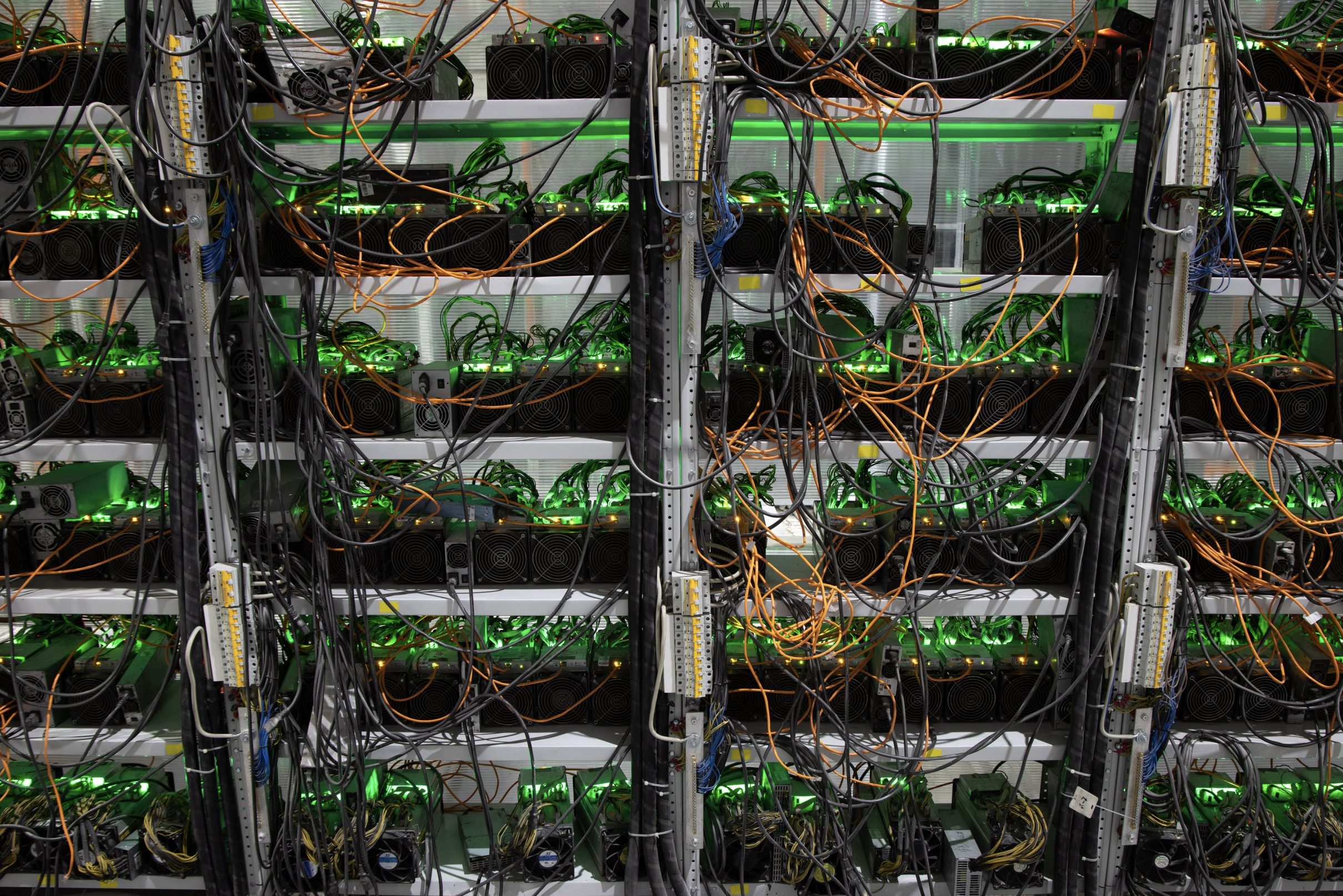
Crypto-mining facilities could help absorb some of this excess power because their computers typically operate continuously and consume large amounts of electricity. Unlike many traditional industrial users, however, crypto miners can rapidly increase, reduce or completely shut down their electricity consumption.
That flexibility could help Eskom and the system operator manage fluctuations in supply and demand, particularly during the midday period when solar generation is high and in the evening when demand rises sharply.
Under Eskom’s proposed pilot, qualifying crypto-mining operations would receive discounted tariffs based on their location and would be required to respond to demand-management instructions.
The contracts could allow Eskom to reduce or temporarily cut electricity supplies to participating miners when the power system requires it.
Eskom would also be required to provide regular reports to Nersa on the performance of the pilot, potentially on a monthly or quarterly basis.
The utility believes the arrangement could help increase electricity sales, absorb surplus generation and reduce the amount of renewable power that has to be curtailed when there is insufficient demand.
Nersa questions why crypto miners should benefit
Nersa officials have questioned whether the discount should be restricted to cryptocurrency miners.
Acting chair Ria Govender warned that offering a special tariff to one category of customer could raise concerns about price discrimination. She argued that eligibility should instead be based on electricity consumption patterns.
Under that approach, any customer capable of providing the same level of demand flexibility could potentially qualify for the lower tariff.
Govender also stressed that discounted electricity would still need to reflect the actual cost of supplying power. The tariff would require approval through Nersa’s established regulatory process. Other Nersa members raised concerns about whether the regulator has sufficient powers to approve the proposal without a broader framework governing such arrangements.
Muzi Mkhize questioned the regulatory basis for the proposal, particularly in the absence of a framework similar to the negotiated pricing agreements developed by the Department of Trade, Industry and Competition.
Nomfundo Maseti also cautioned against dealing with electricity tariffs on a case-by-case basis, saying this could create unintended consequences.
She pointed to Eskom’s Retail Tariff Plan, which Nersa approved as the framework for determining tariff structures, and questioned whether the crypto-mining proposal could fit within that system.
Maseti also raised concerns about South Africa’s future competitive wholesale electricity market. She said Eskom’s proposal should be assessed not only from an engineering perspective but also for its potential impact on competition, consumers and businesses. Some industry experts believe Eskom could achieve the same objective without creating a special tariff specifically for crypto miners.
Tommy Garner, an executive committee member of the South African Independent Power Producer Association, said existing time-of-use tariffs could be adjusted to make electricity cheaper during periods of excess daytime supply.
Electricity pricing expert Deon Conradie similarly argued that the pricing signal should be available to all customers with suitable load profiles.
He distinguished Eskom’s proposal from negotiated pricing agreements, saying the current plan is primarily designed to absorb surplus electricity rather than assist customers experiencing financial difficulties.
Conradie said lower daytime tariffs could encourage more customers to shift electricity consumption into periods when surplus power is available.
He also said the cost of suitable electricity meters has fallen significantly, making wider use of time-of-use tariffs more practical.
The debate means Eskom’s proposed crypto-mining pilot could become part of a broader discussion about how South Africa prices electricity as rooftop solar expands and patterns of grid demand change.