KEY POINTS
- Nyati gets a three-year Eskom extension.
- Eskom shifts focus to long-term reforms.
- Debt and transmission remain key challenges.
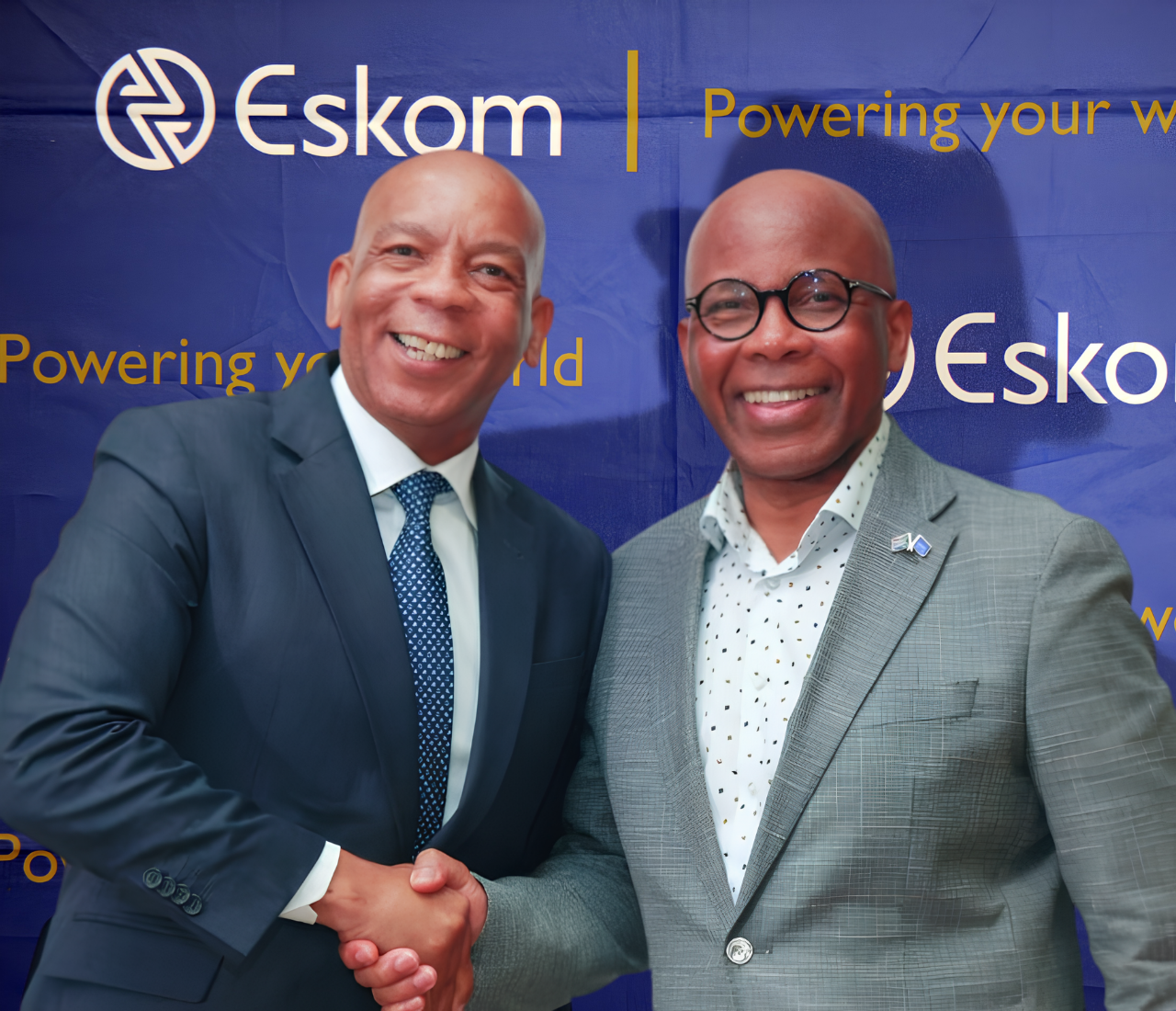
South Africa’s Minister of Electricity and Energy, Kgosientsho Ramokgopa, has extended the tenure or Mteto Nyati as chair of Eskom’s board by another three years, providing continuity at the state-owned power utility as it moves into its next phase of reforms.
Nyati’s current term was due to end on 31 October 2026, but Ramokgopa has approved a further three-year term beginning on 1 November 2026.
The decision removes uncertainty over the leadership of Eskom’s board and allows Nyati to continue overseeing major reforms aimed at strengthening the utility’s finances, electricity generation and transmission infrastructure.
Nyati joined Eskom’s board in October 2022 and has since served as its chair. His tenure has coincided with a significant improvement in the utility’s operational performance, including the end of load shedding.
Ramokgopa credited Eskom’s board, management and employees with contributing to the improvement, while describing Nyati’s continued leadership as important to sustaining the progress already made.
The minister said Eskom’s next phase would focus on maintaining energy security, improving the utility’s financial position and delivering better services to South Africans.
The extension also provides greater certainty as Eskom works through several long-running structural and financial challenges.
New roadmap for Eskom
With load shedding no longer the immediate crisis it once was, Ramokgopa has tasked the Eskom board with developing a unified roadmap covering the next three, five and 10 years.
The plan is expected to address Eskom’s future generation mix, its commercial position in an electricity market increasingly influenced by renewable energy, and the investment required to expand and strengthen its transmission network.
Ramokgopa has also stressed that Eskom must develop a business model that allows it to operate sustainably without depending on repeated government financial support or sustained double-digit electricity tariff increases.
The shift represents a broader challenge for Eskom: maintaining improved electricity supply while becoming financially stronger and adapting to changes in the energy sector.
One of the major reforms facing Nyati and the board is Eskom’s transition towards cleaner energy.
Nyati has previously identified Eskom Green, the utility’s renewable energy subsidiary, as an important part of the transition. The subsidiary is intended to develop solar and wind projects and supply clean electricity to customers seeking to reduce their exposure to carbon-intensive power.
The transition, however, will require more than renewable generation. Eskom will also need reliable baseload electricity, including nuclear power, as well as major investment in transmission infrastructure.
Nyati has previously pointed to the need for about 14,000km of new transmission lines to connect renewable energy projects to the national grid.
The challenge for Eskom is therefore to balance the growth of renewable power with the reliability of the electricity system and the infrastructure required to move electricity across the country.