KEY POINTS
- Middle East crude exports rose to 16.3 million barrels per day in September, the highest since the Iran war began.
- Saudi exports more than doubled to about 5.4 million barrels per day as more shipments went through Hormuz.
- Regional exports are still about 3.2 million barrels per day below February, just under 80% of prewar levels.
Crude oil exports from the Middle East’s biggest producers climbed in September to their highest level since the U.S.-Israeli war on Iran began in late February. Saudi Arabia led the rebound, according to data from analytics firm Kpler cited by Reuters.
Preliminary figures released Monday put the region’s exports at about 16.3 million barrels per day this month. Saudi Arabia and the United Arab Emirates accounted for most of the gain.
Much of the recovery went through the Strait of Hormuz, where crude flows were on pace to reach about 9.7 million barrels per day. After attacks damaged Saudi Arabia’s East-West pipeline, the kingdom moved cargoes away from its Red Sea port of Yanbu and shipped more oil out through the Gulf.
The region still has a long way to go. Kpler said exports remain about 3.2 million barrels per day below February’s level of 19.5 million. The group of producers it tracks includes Saudi Arabia, the UAE, Iraq, Oman, Qatar, Kuwait and Iran.
Saudi oil exports more than double
“Kpler estimates Middle East crude exports at just under 80% of pre-conflict levels,” the firm said in a note.
Saudi Arabia, the region’s top exporter, was on track to ship about 5.4 million barrels per day in September. That’s more than double August’s 2.4 million.
The biggest jump came at Ras Tanura, the kingdom’s main Gulf terminal. Shipments there rose to about 3.25 million barrels per day, up from 929,000 in August. Even so, the port is handling only about half of what it moved in February, when exports reached 6.4 million barrels per day.
Tanker traffic returns to Hormuz
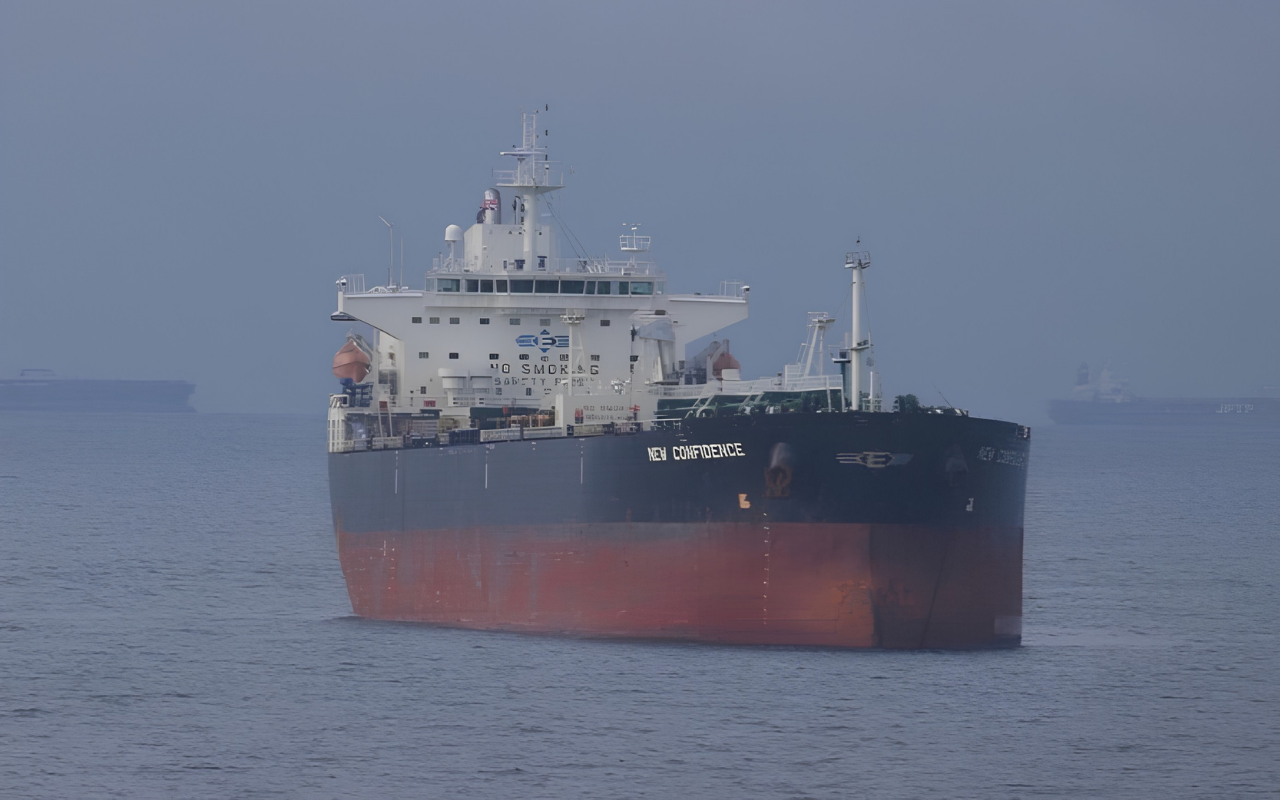
Tanker traffic shows the same trend. Nineteen very large crude carriers, each carrying 2 million barrels of Saudi oil, left the Strait of Hormuz last week, Kpler said. Those figures leave out any ships that may have crossed with their tracking transponders turned off to avoid detection.
Kpler’s tally counts vessels passing through Hormuz, ship-to-ship transfers in the Gulf of Oman, shipments from the UAE’s Fujairah terminal and Omani ports outside the strait, and cargoes leaving through the Red Sea.
The strait is one of the most closely watched chokepoints in global energy. Before the war began Feb. 28, about 125 large commercial vessels passed through it each day, including tankers, gas carriers, bulk ships and container vessels. That traffic carried about a fifth of the world’s daily crude oil and liquefied natural gas supply.