

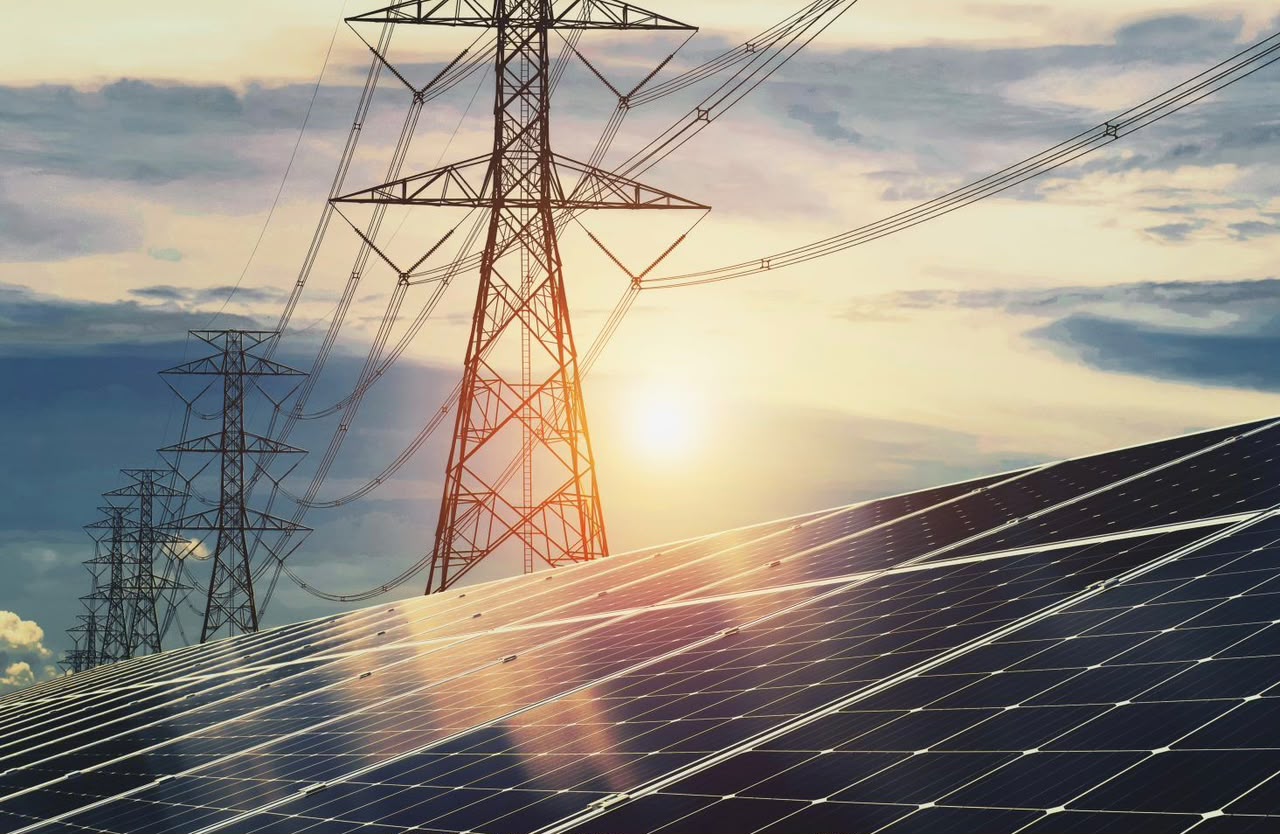
Global South electrification is moving faster than the headlines suggest. Since the start of 2024, emerging economies in Asia, Africa, Latin America and parts of the Middle East have spent roughly $235 billion on imported Chinese clean energy technology, according to Ember data analyzed by a Reuters columnist.
The spending reaches well beyond solar panels. It covers the transformers, cables and cooling systems that let power flow to homes, offices and vehicles, and it has come while the war with Iran dominates energy news.
Where the money is going
Countries including India, Pakistan, the Philippines, Brazil, South Africa and Vietnam have spent more than $25.3 billion on Chinese transformers, switchgear and transmission cables since 2024. The rest of the world spent $23.8 billion on the same equipment.
Grid hardware matters because weak networks have long limited how much renewable power a country can use. Upgraded grids let utilities add solar and wind, reach new customers and manage flows more reliably.
Emerging economies also spent about $26 billion on heating and cooling equipment, against $21 billion in the rest of the world. Air conditioning is a major and growing source of power demand in hot, fast growing cities.
Solar, EVs and the storage gap
Spending on Chinese solar systems reached nearly $47 billion in the Global South, compared with $37 billion elsewhere, giving it a 55.4% share of the global total since 2024.
Electric vehicles show the fastest change. Emerging markets spent $73.2 billion on imported Chinese electric vehicles in the first eight months of 2026, up from just $6 billion in the same months of 2023. Wealthier economies still spent more, at $116.5 billion.
Batteries are the weak spot. Developed economies account for 71% of spending on Chinese battery storage since 2024, and emerging economies for 29%. Without storage, solar heavy grids face curtailment and evening price spikes once the sun goes down.
The gap is narrowing. Emerging market spending on batteries rose from about $9 billion in the first eight months of 2024 to $21 billion in the same period this year.
What the numbers really mean
The figures are in U.S. dollars, and Chinese clean technology prices have fallen sharply. Each dollar therefore buys more capacity than it did a few years ago, so the physical build out is probably larger than the spending suggests.
Separate Ember research on climate vulnerable economies found that panels imported from China between 2020 and 2025 totaled 138 gigawatts, enough to avoid roughly $20 billion in LNG or $42 billion in diesel imports a year.
In eight of 10 of those countries, solar imports since 2017 are at least triple the capacity in official statistics, which suggests official data understate the shift.
Energy security is part of the story. The IEA says solar will overtake wind this year, with global solar generation up 23% in 2026. It notes that LNG dependent countries such as Bangladesh and Pakistan have cut electricity use during the fuel crisis.
Storage, finance and policy will decide how fast the hardware pays off.