

KEY POINTS
- NNPC says reforms have raised crude production from 1.2 million to 1.8 million barrels per day.
- Nigeria is targeting 2 million barrels per day by 2027 and 12 billion cubic feet of gas daily by 2030.
- NNPC says it has concluded commercial agreements covering about $20 billion in energy investments.
Nigeria’s oil and gas reforms have helped increase crude oil production by 600,000 barrels per day, raising output from 1.2 million barrels per day to 1.8 million barrels per day, according to the Nigerian National Petroleum Company Limited (NNPC).
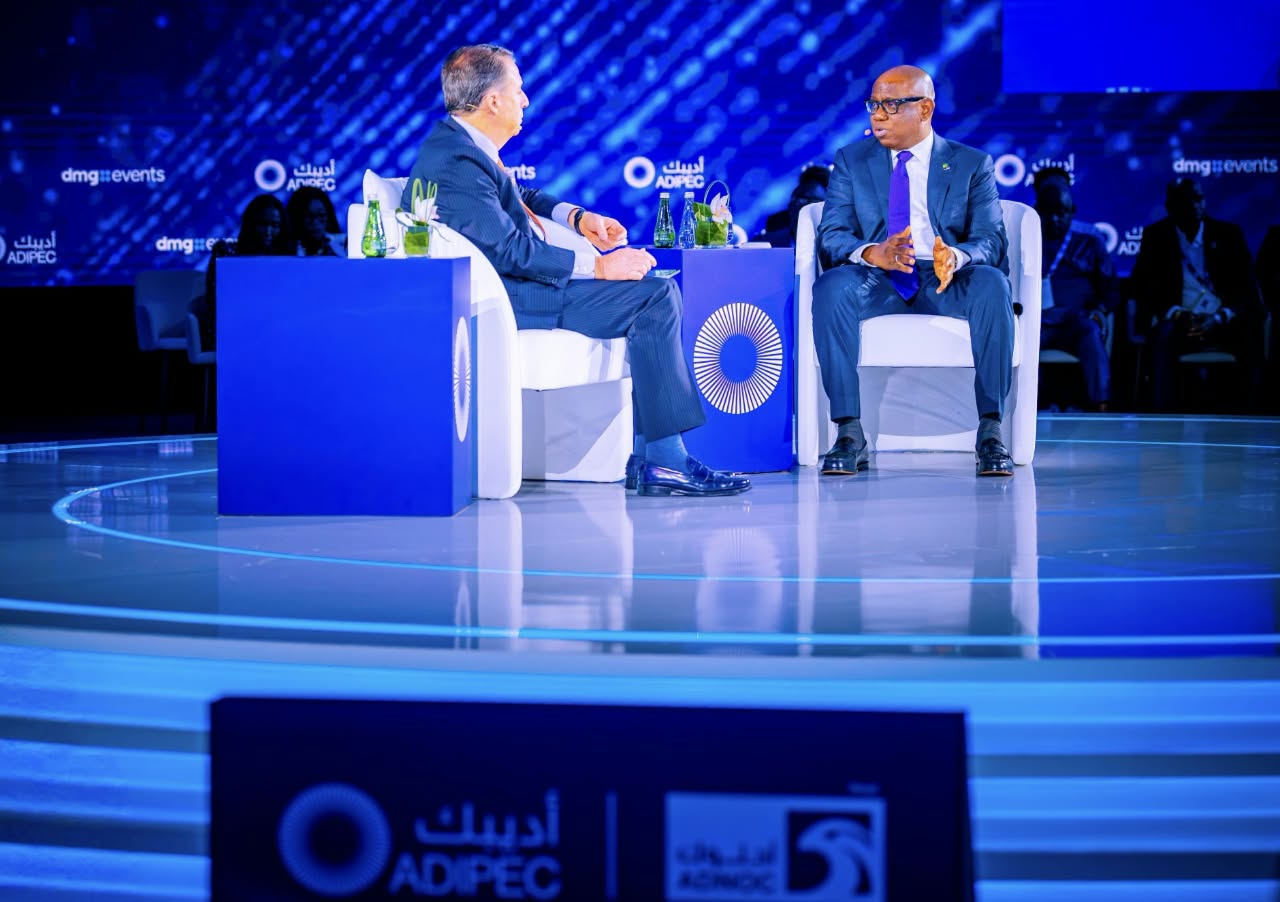
NNPC Group Chief Executive Officer Bashir Ojulari disclosed this on Tuesday during an Energy Talk session titled “Nigeria’s Reform Agenda: Competing for Energy Capital” at the 2026 Abu Dhabi International Petroleum Exhibition and Conference (ADIPEC) in the United Arab Emirates.
Ojulari said the production increase reflected improvements in the investment environment, better investment decisions and stronger collaboration between NNPC and its partners. He also credited the implementation of the Petroleum Industry Act (PIA), enacted in 2021, with supporting the sector’s progress.
He said the gains had strengthened Nigeria’s position in the competition for international energy investment, although the company still had work to do to meet its production ambitions.
NNPC targets 2 million barrels per day by 2027
Ojulari said NNPC was working towards raising Nigeria’s crude oil production to 2 million barrels per day by 2027.
To achieve the target, the company plans to maintain existing infrastructure, protect current production levels, increase output from producing assets and advance new projects expected to contribute additional barrels.
He said the current production level of 1.8 million barrels per day represented a milestone rather than the end of the company’s efforts to expand output.
Ojulari added that a baseline assessment of NNPC’s assets and infrastructure had helped management identify the company’s strengths and areas requiring improvement.
He said the board and management were focused on meeting the targets outlined in the mandate given to the company by President Bola Tinubu, stressing that performance would ultimately be measured by results rather than promises.
CNG programme expands after subsidy removal
The NNPC chief also discussed measures to support Nigeria’s domestic energy market following the removal of petrol subsidies.
He said the government’s Compressed Natural Gas (CNG) programme had expanded, with more than 400 conversion centres established across the country. More than 1,000 trucks used to transport petroleum products were also operating on CNG, according to him.
The initiative is intended to encourage the use of alternative fuels and reduce reliance on petrol and diesel for transportation.
On gas infrastructure, Ojulari said the Obiafu-Obrikom-Oben (OB3) gas pipeline was completed in August 2026.
He added that the Ajaokuta-Kaduna-Kano (AKK) pipeline was expected to begin delivering gas to Abuja before the end of the year. The supply is expected to support power generation, data centres and industrial hubs.
Gas production target set at 12 billion cubic feet daily
NNPC is also seeking to expand natural gas production as Nigeria looks to develop its domestic market and increase exports.
Ojulari said the company was targeting national gas production of 10 billion standard cubic feet per day by 2027 and 12 billion standard cubic feet per day by 2030.
He said achieving the targets would require the development of infrastructure and markets capable of absorbing increased gas supplies.
On regional cooperation, Ojulari said countries involved in the proposed Nigeria-Morocco Gas Pipeline had aligned and signed the necessary agreements.
He also said Nigeria, Algeria and Niger had aligned on the development of the Trans-Saharan Gas Pipeline, another proposed project intended to expand regional gas transportation and export opportunities.
$20 billion in energy investment agreements concluded
Ojulari said commercial agreements covering approximately $20 billion in investment had been concluded, with major projects including TotalEnergies’ Ubeta development, Shell’s Bonga South-West project and Eni’s Zabazaba development.
He added that NNPC was building new relationships with international partners, including the Abu Dhabi National Oil Company (ADNOC) and Chinese investors involved in Nigeria’s refining sector.
The company was also working with global service providers to expand local capacity in the oil and gas industry.
The projects and partnerships are expected to support production growth, attract foreign capital and strengthen Nigeria’s position in international energy markets. However, delivering the government’s output targets will depend on project execution, infrastructure reliability and sustained investment.