

KEY POINTS
- The IEA projects oil demand 4.4 million barrels per day below its current-policy scenario by 2035.
- The Iran conflict has disrupted global oil and gas trade, particularly through the Strait of Hormuz.
- Electric vehicles, efficiency measures and alternative fuels could reshape future energy consumption.
The International Energy Agency (IEA) says the disruption caused by the Iran war could accelerate changes in global energy policy and reduce oil demand by 4.4 million barrels per day below its current-policy projection by 2035. The estimate forms part of the agency’s 2026 World Energy Outlook, which examines how governments could respond to energy supply risks by expanding electrification, improving efficiency and switching to alternative fuels. reuters.com
Iran conflict puts energy security back in focus
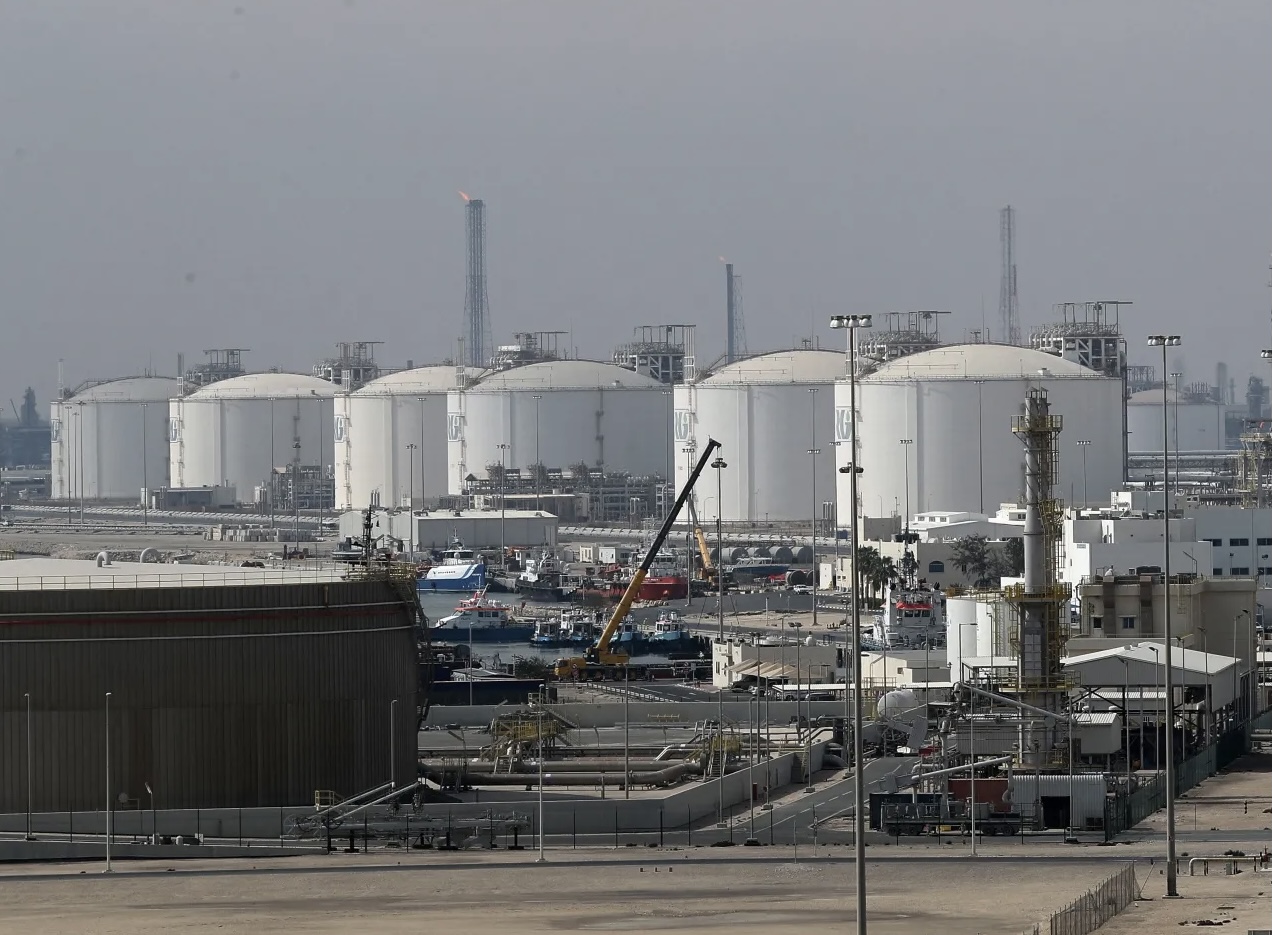
The conflict has caused what the IEA describes as the largest disruption to global oil and gas trade. In particular, restricted shipping through the Strait of Hormuz has placed pressure on a route that normally handles about one-fifth of global oil and liquefied natural gas supplies. Consequently, the disruption has affected energy availability and reinforced concerns about dependence on vulnerable supply routes.
The agency estimates that cumulative losses across the Gulf have reached 2.8 billion barrels of oil and 60 billion cubic metres of natural gas. These figures underline the scale of the disruption and the potential consequences for countries that rely heavily on imported energy. Meanwhile, governments are reassessing how to protect their economies against supply interruptions and sudden changes in energy prices.
The IEA’s Additional Response Case examines what could happen if countries respond more aggressively to these risks. Rather than relying primarily on existing supply arrangements, governments would accelerate the adoption of electric technologies, improve energy efficiency and encourage fuel switching. The scenario therefore links immediate security concerns with longer-term changes in energy consumption.
Electrification could reshape global oil consumption
Under the additional response scenario, global oil demand would reach 97 million barrels per day in 2035, before falling to 85 million barrels per day by 2050. The agency also projects that electric vehicles alone could displace more than 11 million barrels of oil per day by 2035. These projections indicate how transport electrification could influence the global petroleum market.
However, the transition would require substantial investment in electricity infrastructure. The IEA notes that weak power grids, limited charging networks and inadequate electricity supplies could slow the adoption of electric vehicles and other technologies. In addition, countries would need to expand reliable power generation to support rising electricity consumption.
The outlook also highlights changing energy needs in buildings, where cooling demand has overtaken heating demand. As temperatures and demand for cooling rise, electricity systems will face additional pressure. Ultimately, the IEA’s scenario suggests that energy security could become a stronger driver of the global transition, although governments must address infrastructure gaps to turn projected changes into lasting results.