

KEY POINTS
- Brent and US crude prices fell to their lowest levels since August.
- Rising inventories and increased Russian oil purchases are supporting global supply.
- Shipping risks around the Strait of Hormuz continue to threaten market stability.
Oil prices fell to their lowest levels in three months on Tuesday, Nov. 24, as growing supply and expectations of a potential global surplus outweighed continued risks to shipping through the Strait of Hormuz. Brent crude futures dropped 0.8% to $88.62 per barrel, while US West Texas Intermediate fell by the same percentage to $79.53. Both benchmarks reached their weakest levels since August, reflecting growing expectations that supply conditions could become more comfortable.
Oil prices fall as global supply outlook improves
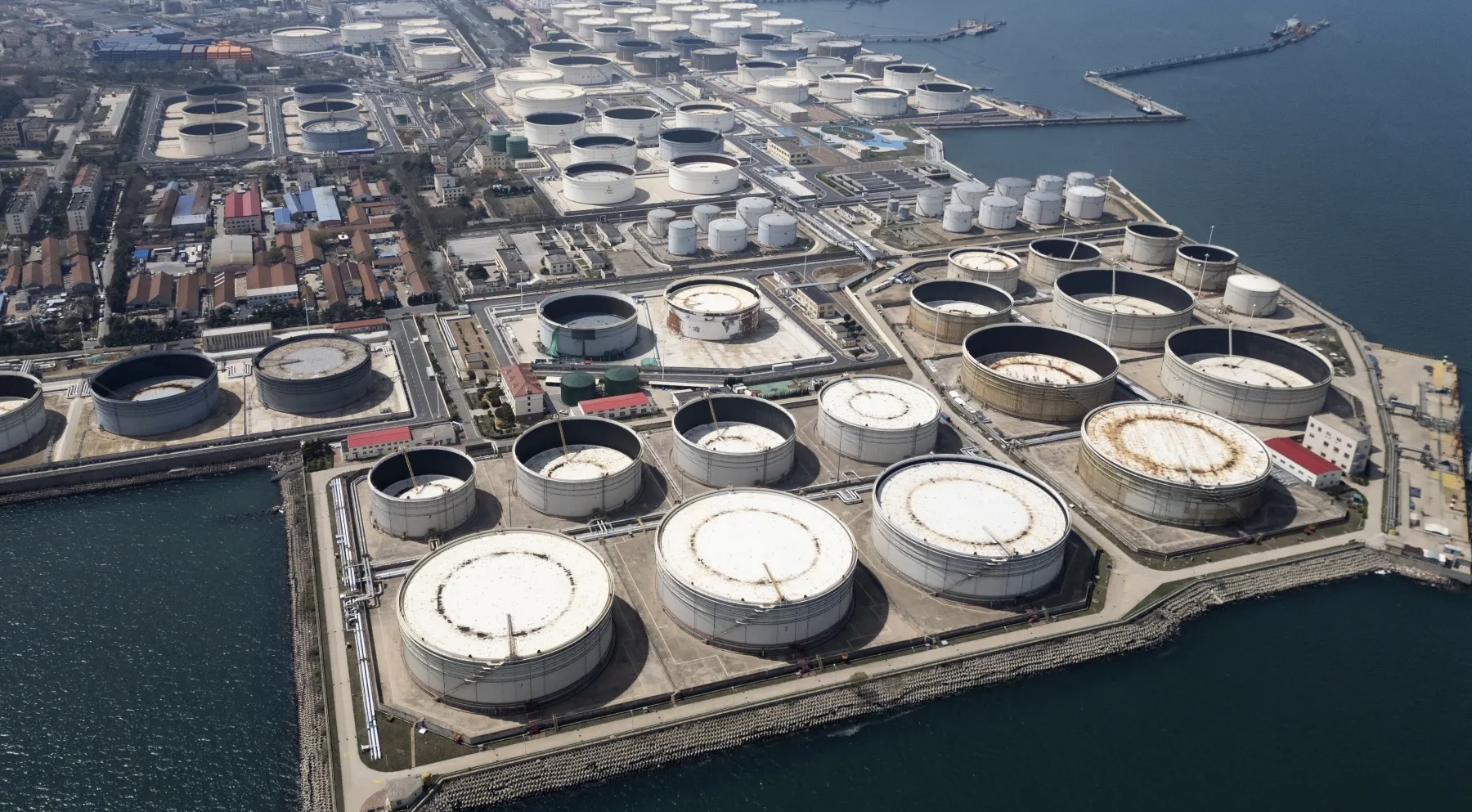
The decline follows signs that global inventories are increasing despite disruptions to oil exports from parts of the Middle East. Deutsche Bank estimated that observed global liquids inventories rose in October, indicating a potential surplus of 1.7 million barrels per day. In addition, a preliminary Reuters poll suggested that US crude oil and petroleum product stocks probably increased during the previous week. These developments have strengthened expectations that available supply could exceed demand.
Increased purchases of Russian crude by China and India have also helped replenish supplies affected by the Iran conflict. Temporary US waivers on Russian oil sanctions have widened the range of vessels and suppliers available to the two countries. Meanwhile, the reopening of Libya’s Sharara pipeline has restored another source of crude supply. Consequently, traders are weighing the prospect of a more balanced market against the geopolitical risks that could disrupt shipments again.
Strait of Hormuz remains a source of market uncertainty
Despite the downward pressure, the oil market remains exposed to developments around the Strait of Hormuz, a major route for global petroleum shipments. Iran’s Revolutionary Guards navy said three oil tankers caught fire after striking naval mines in the strait on Monday, according to Iran’s Press TV. Separately, the United States is investigating possible Iranian involvement in cyberattacks targeting energy tankers, the Wall Street Journal reported.
Analysts have warned that the market could reverse direction if tensions between Washington and Tehran intensify. UBS analyst Giovanni Staunovo said strategic reserve releases and improved supply conditions were limiting the effect of geopolitical risks on prices. However, DBS Bank‘s head of energy research, Suvro Sarkar, said renewed confrontation over the strait could push crude prices higher again.
The market is therefore balancing two competing developments. On one hand, rising inventories, additional Russian exports and the return of Libyan supply are reducing immediate concerns about shortages. On the other, shipping restrictions and military tensions continue to create uncertainty around the movement of crude. ANZ senior commodity strategist Daniel Hynes said market indicators increasingly suggested expectations of normalisation, although logistics remained constrained and inventory buffers were thin.
Ultimately, the direction of oil prices will depend on whether improving supply conditions continue to outweigh geopolitical disruptions. Developments in US-Iran relations, shipping activity through the Strait of Hormuz and production from other exporting countries will remain important factors. For now, the market’s growing surplus expectations are putting pressure on crude benchmarks, even as the risk of another supply shock remains.