

KEY POINTS
- Brent rose to $94.71 a barrel and WTI to $84.03 in early Asian trade.
- Houthis claimed an attack on Saudi Arabia’s Ras Tanura refinery.
- Iran said tankers hit mines in the Strait of Hormuz.
Oil prices rose early Thursday, extending Wednesday’s gains, after Yemen’s Houthis said they hit Saudi Arabia’s largest oil refinery and Iran said ships struck mines in the Strait of Hormuz, Reuters reported.
Brent crude futures gained 10 cents, or 0.1%, to $94.71 a barrel by 0137 GMT. U.S. West Texas Intermediate rose 35 cents, or 0.4%, to $84.03. On Wednesday, Brent finished 3.5% higher and WTI 2% higher.
Houthi claim targets Saudi export hub
The Iran-aligned Houthis said they attacked the Ras Tanura refinery and Riyadh’s financial district. The refinery sits in a complex that also serves as a major export terminal for Saudi crude, so analysts expect the strike to add to the geopolitical risk premium. Meanwhile, the Saudi-led coalition said air defenses destroyed four drones over Ras Tanura but did not say whether the refinery was hit, Middle East Eye reported.
Hormuz mine claims
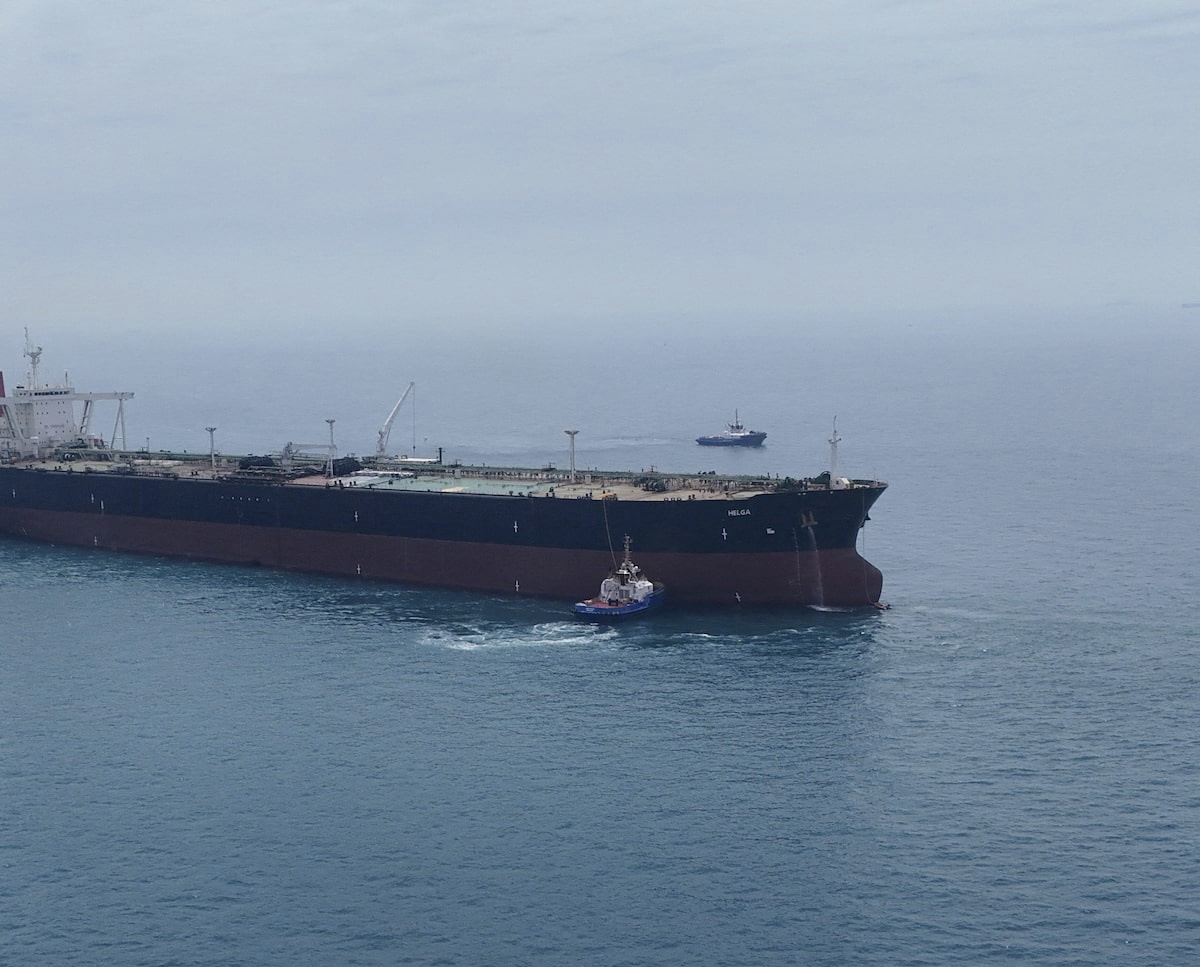
Iran’s semi-official Fars news agency, citing an Iranian Army statement, said a tanker hit a naval mine and caught fire in a “restricted zone” of the strait Wednesday. Earlier, state media said two tankers struck mines and exploded. However, Iran has not named the ships, and its claims have not been independently verified, Marine Insight reported.
“The broadening of the Middle East conflict threatens to halt the recovery in oil flows in recent weeks,” said Daniel Hynes, an analyst at ANZ. Persian Gulf crude exports rose last week but remain on a declining trend.
Still, U.S. crude stocks rose 1.1 million barrels to 418.9 million barrels in the week ended Nov. 20. Also, OPEC+ ministers meet Nov. 29 to set 2027 output policy, without the United Arab Emirates, which is no longer in the group.