KEY POINTS
- Nigeria is pressing ahead with the $10bn NLNG Train 7 project even as global LNG demand projections remain mixed.
- The EU is seeking to increase LNG imports from Nigeria to reduce dependence on Russian gas, citing strong long-term potential.
- Rapid expansion of LNG supply led by the United States and others could create a glut from 2026, posing pricing and competitiveness risks.
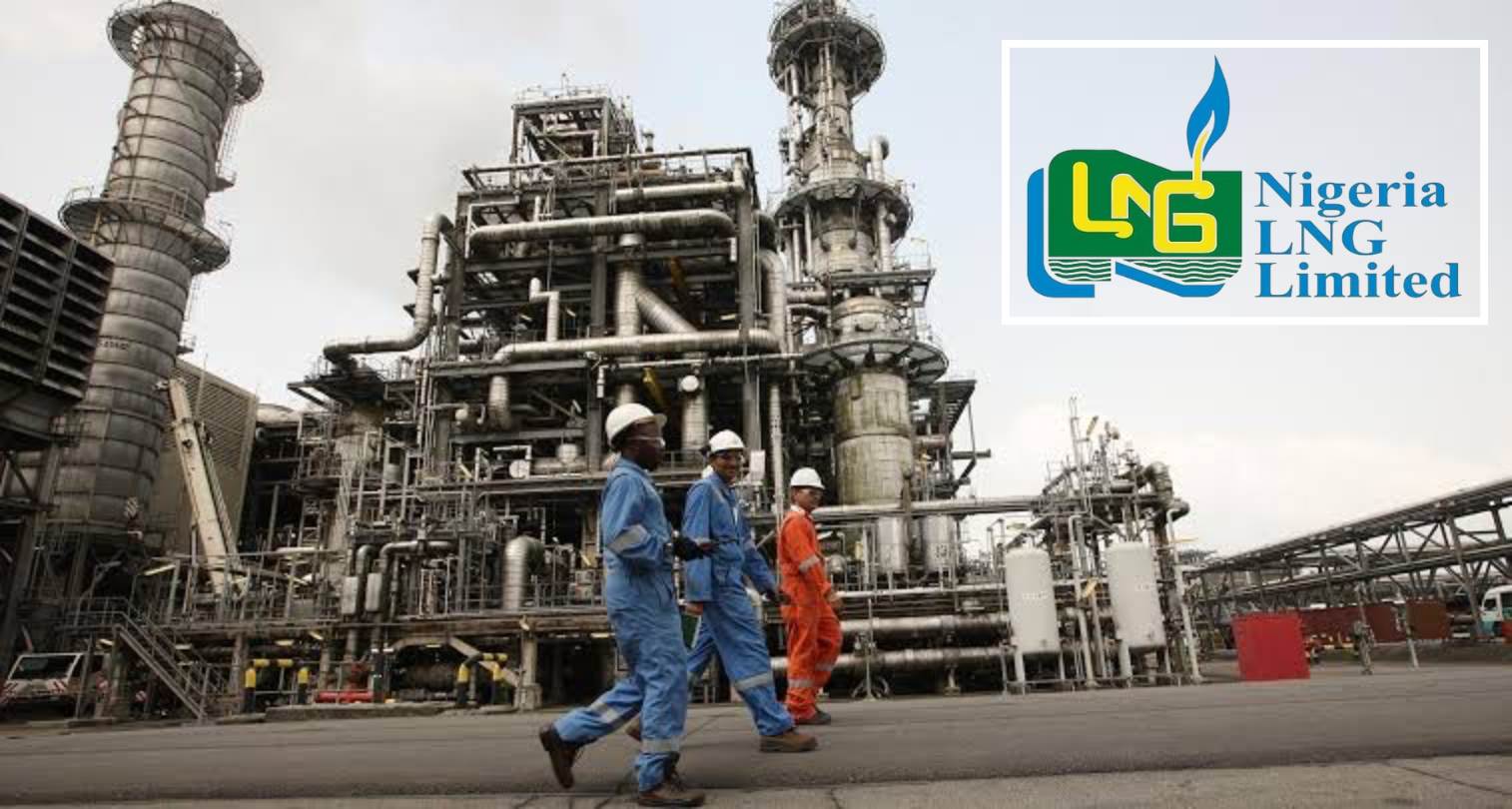
Nigeria’s liquefied natural gas, LNG, sector is navigating a complex global landscape as the Nigeria LNG, NLNG, company presses ahead with its ambitious Train 7 expansion project, even as projections for future global LNG demand remain uncertain. The Train 7 project, estimated to cost about $10 billion, is expected to significantly boost Nigeria’s export capacity and reinforce the country’s position as a leading LNG supplier in Africa.
Following Russia’s reduction of gas supplies to Europe after the invasion of Ukraine, the European Union has intensified efforts to diversify its sources of energy. During a recent visit to Abuja, the Deputy Director-General of the European Commission’s Department of Energy, Matthew Baldwin, said Europe remains in a “tight spot” with gas supply and is keen to increase LNG imports from Nigeria.
Currently, Nigeria supplies about 14 per cent of the EU’s gas imports, while roughly 60 per cent of Nigeria’s LNG exports are destined for Europe. Baldwin noted that the EU wants Nigeria’s share of its LNG imports to rise, stressing that the gas relationship between both parties has “extraordinary potential.”
NLNG is also expected to showcase its expansion plans and long-term growth strategy at the 2026 International LNG Conference in Qatar, underlining its commitment to scaling up production despite uncertainties in global demand.
Rising Global Supply Fuels Fears of Future Glut
While Nigeria’s LNG exports rebounded strongly towards the end of 2025, reaching a five-year high of 2.1 billion cubic metres in December, according to the Nigerian Upstream Petroleum Regulatory Commission; analysts warn that a surge in global LNG supply could reshape market dynamics from 2026 onward.
Energy analysts project that a large wave of new LNG supply will enter the market between 2026 and 2029, easing the tight conditions seen since the Ukraine war but potentially depressing prices. Consultancy firm Kpler described 2026 as a “transitional year” in which the market shifts from scarcity to ample availability, particularly in Europe.
The United States is leading this global expansion, exporting an estimated 111 million metric tonnes of LNG in 2025 about 25 per cent of global exports following the commissioning of several new facilities. Qatar and other producers are also increasing output, while major projects such as QatarEnergy and ExxonMobil’s Golden Pass LNG and the expansion of U.S. modular plants are expected to add further volumes this year.
As Europe simultaneously expands renewable energy capacity, concerns are growing that LNG supply could eventually outpace demand. For Nigeria, this raises strategic questions about how much LNG the world will require in a future increasingly shaped by clean energy, and how competitive Nigerian gas will remain in a crowded market.