

KEY POINTS
- Zambia’s cabinet has approved construction of both the Tanzania-Zambia Multi-Products Pipeline
- Chief Government Spokesperson Cornelius Mweetwa said the pipelines will enhance security of supply, stabilize petroleum product prices and position Zambia as a regional energy hub.
- The approvals mark a major shift in Zambia’s energy strategy, moving it away from costly road-based fuel imports and toward diversified, ocean-linked supply routes from both coasts of Africa.
Zambia has been talking about these pipelines for years. Now President Hakainde Hichilema‘s government has finally pulled the trigger on both of them.
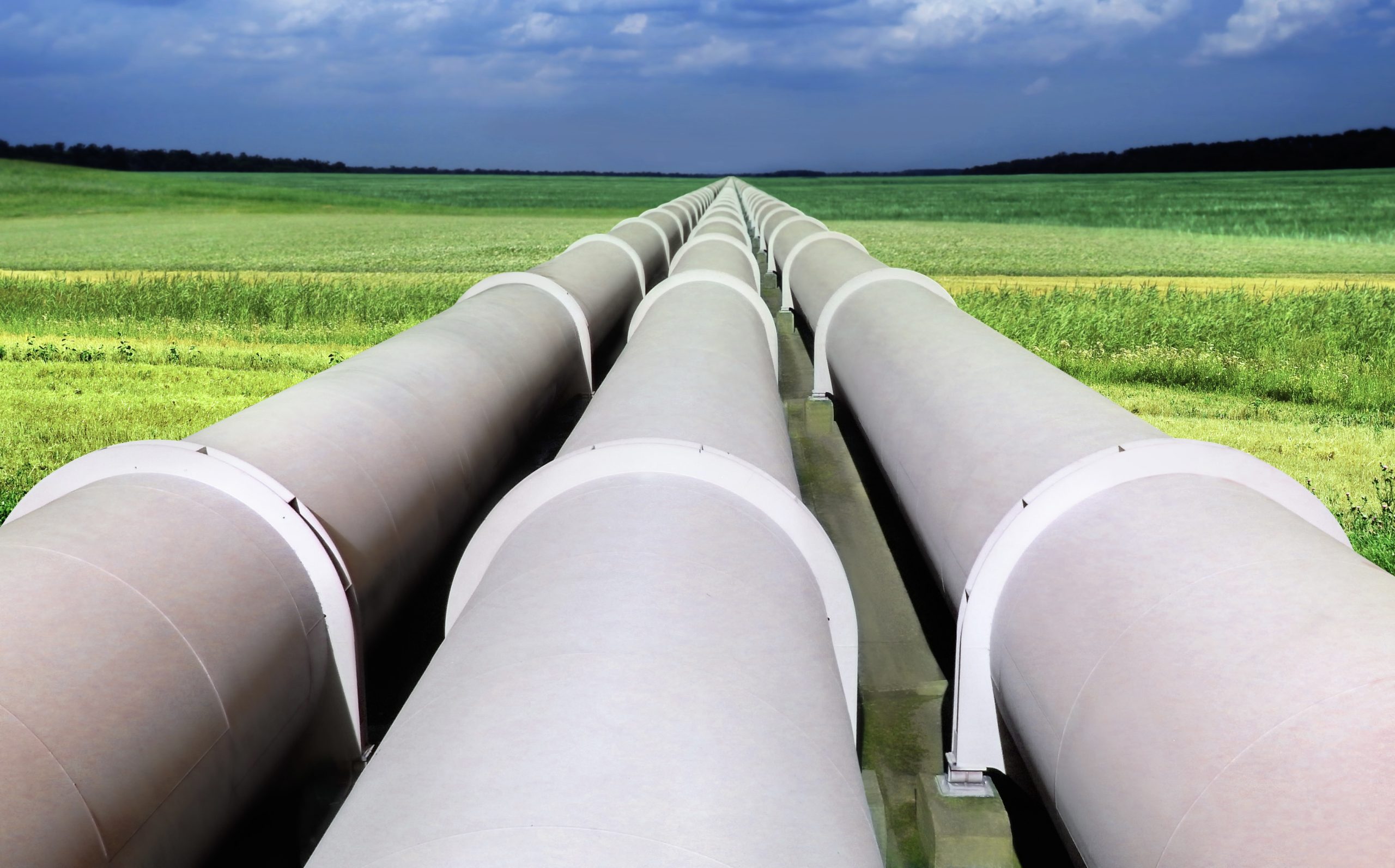
Cabinet has approved construction of the Tanzania-Zambia Multi-Products and the Namibia-Zambia Refined Petroleum and Natural Gas Pipelines, both to be developed under public-private partnership arrangements.
The twin approvals of the pipelines represent perhaps the most ambitious overhaul of Zambia’s fuel infrastructure in decades, and they come at a moment when the country’s energy supply pressures are impossible to ignore.
Two Oceans, One Landlocked Country
The geography of the problem is simple. Zambia sits at the heart of southern Africa with no coastline of its own. Every drop of refined fuel it consumes has to travel overland from somewhere else, and that somewhere else is often unreliable, expensive, or both.
The two newly approved pipelines would change that calculus dramatically, bringing imports from the Atlantic Ocean via Namibia and from the Indian Ocean via Tanzania directly into Zambia
The Namibia-Zambia pipeline would run from the port of Walvis Bay on Namibia’s Atlantic coast to Zambia, connecting two neighboring countries that signed a memorandum of understanding on the project back in 2022.
The Tanzania pipelines would follow a corridor that has historical roots dating back to the 1960s, though in a significantly updated form.