KEY POINTS
- Marketers say restarting Port Harcourt and Warri refineries could lead to a drop in petrol prices.
- NNPCL signed an agreement with Chinese firms to support refinery completion.
- Increased local fuel production is expected to boost competition and ease rising costs.
Petroleum marketers in Nigeria have hinted that petrol prices may drop soon, following fresh efforts by the Nigerian National Petroleum Company Limited, NNPCL, to restart key local refineries.
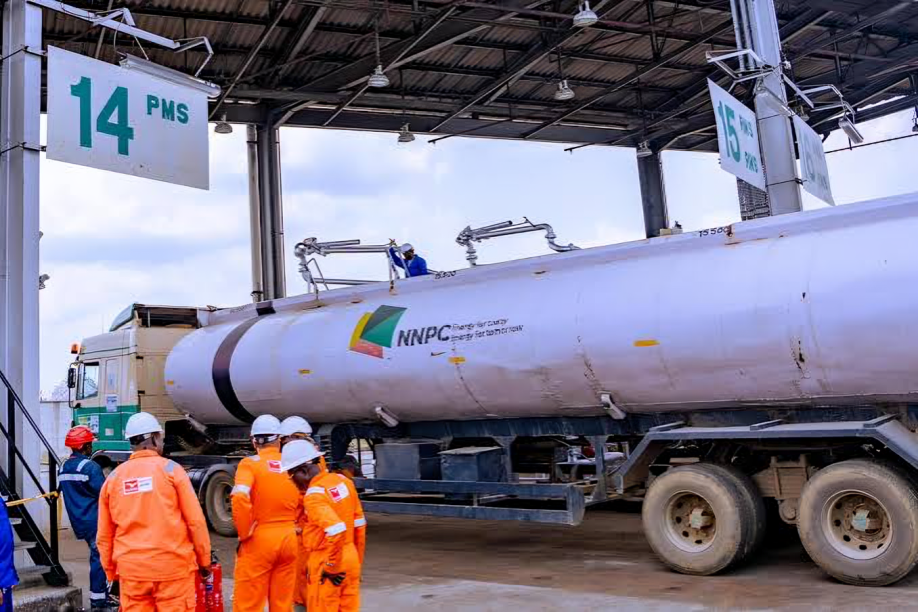
The NNPCL recently signed a Memorandum of Understanding with Chinese firms to support the completion and revival of the Port Harcourt and Warri refineries. The move is raising hopes among industry players that increased local refining could ease pressure on fuel prices.
The Port Harcourt refinery has been shut down since last year for maintenance, while other state-owned refineries, including those in Warri and Kaduna, have remained inactive despite huge spending on rehabilitation over the years. This situation has left the country heavily reliant on imported fuel and output from private refineries.
However, marketers believe the planned restart could change the situation. They say producing more fuel locally would increase supply and create competition in the market, which typically leads to lower prices.
The National President of the Petroleum Products Retail Outlets Owners Association of Nigeria, Billy Gillis-Harry, said the development is a positive step. According to him, the more refined products available in the market, the more prices are likely to drop due to competition.
He noted that increased supply, whether from local or international sources, usually forces prices down, benefiting consumers.
Similarly, the Independent Petroleum Marketers Association of Nigeria (IPMAN) called on the government to support the process with incentives. Its spokesperson, Chinedu Ukadike, said financial support for marketers and relief measures for consumers would help stabilise prices.
The renewed push to revive refineries comes at a time when global oil prices have surged due to ongoing tensions in the Middle East. This has led to a sharp increase in petrol prices across Nigeria, worsening the cost of transportation and living expenses.
With petrol prices rising significantly in recent months, many Nigerians are hoping that the restart of local refineries will provide lasting relief and reduce dependence on imports.