KEY POINTS
- Ruto told Tanzania’s Parliament the 400KV power interconnector has transformed the region’s energy integration.
- Ruto announced the planned Shinyanga-Kilgoris power corridor to deepen East African regional energy integration.
- Kenya-Tanzania bilateral trade hit $860 million in 2025 with $1 billion projected for 2026.
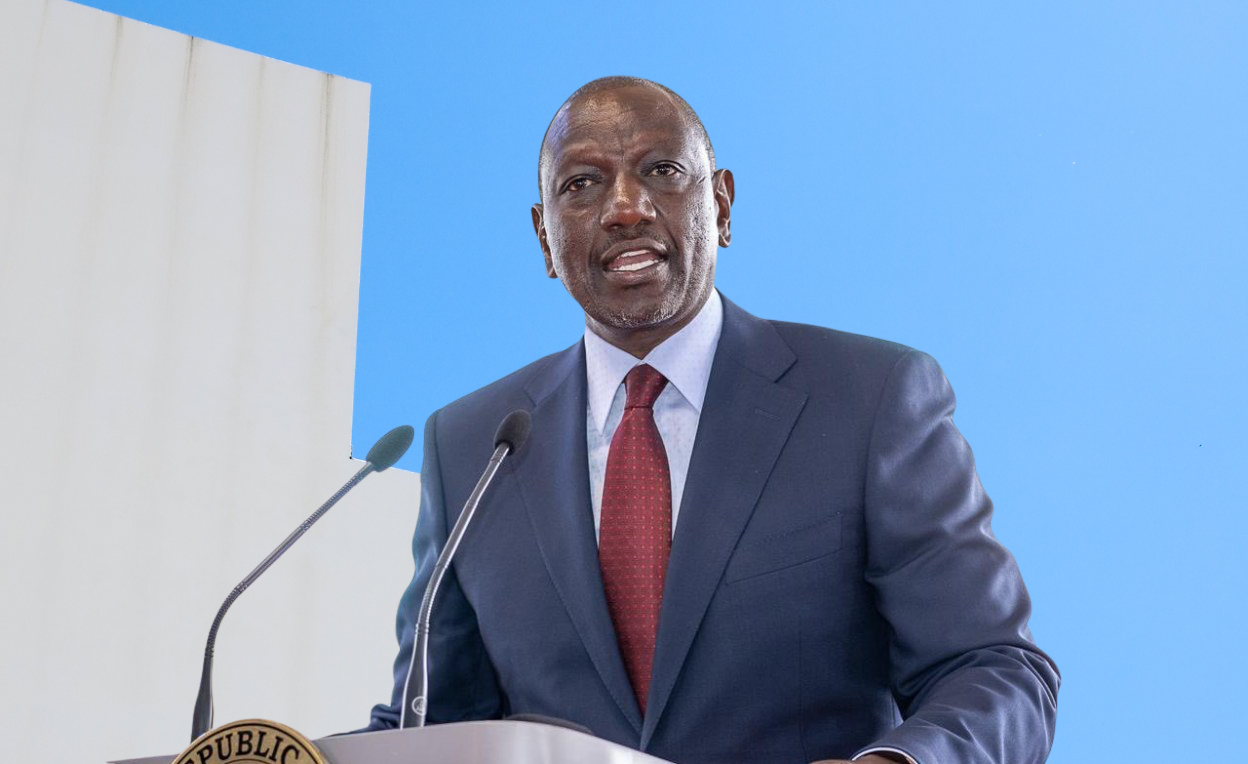
William Ruto did not go to Dodoma just for ceremony. He went with a message, and he delivered it directly to Tanzania’s Parliament.
Speaking in Dodoma on May 5, 2026, at the invitation of President Samia Suluhu Hassan, Kenya’s president told Tanzanian lawmakers that the two countries are not merely neighbors or partners but deeply bound economies whose futures cannot be separated.
At the center of his address was energy. Ruto pointed to the 400KV Kenya-Tanzania power interconnector, spanning over 500 kilometers, as the clearest example of what regional cooperation can produce when it moves past talk and into infrastructure.
“It has synchronised our electricity systems, enabled power trade, improved reliability, and reduced vulnerability to supply shocks,” he told the chamber.
A second corridor is coming
Ruto said plans are underway for a new transmission corridor linking Shinyanga, Mabuki, Kilgoris and Rongai in Kenya. The project will expand transmission capacity and further integrate regional power markets.
He said the corridor would allow the two countries to optimize their complementary energy resources, combining Tanzania’s natural gas with Kenya’s geothermal and wind energy into a more reliable and competitive regional market.
Ruto also used the occasion to praise Uganda’s decision to acquire a stake in the Kenya Pipeline Company. He said that move transformed Uganda from a consumer into a partner, turning the infrastructure into a shared regional asset built on mutual benefit and long-term confidence. Kenya, he added, is ready to serve as a strategic partner in a planned oil refinery in Tanga.
Trade numbers back the integration argument
Ruto noted that Kenya-Tanzania bilateral trade reached $860 million in 2025 and is projected to cross $1 billion this year. Kenyan firms have invested more than $1.7 billion in Tanzania, while Tanzanian investments in Kenya now exceed $336 million.
He framed intra-regional trade as an area of untapped potential, noting that EAC trade among member states still accounts for only 15 to 20 percent of total regional trade despite growing 28 percent in 2025.
Ruto closed with a call for East African Community member states to keep investing in joint infrastructure, warning that competition, suspicion and rivalry have already cost the region too much time and too many opportunities.