

KEY POINTS
- Africa plans to raise $120 billion to build six mega refineries and reduce dependence on imported fuel.
- Global energy disruptions have triggered a coal resurgence, despite climate commitments.
- Oil firms are set for massive profits, prompting calls for windfall taxes, while Nigeria faces ongoing fuel supply challenges despite rising local refining.
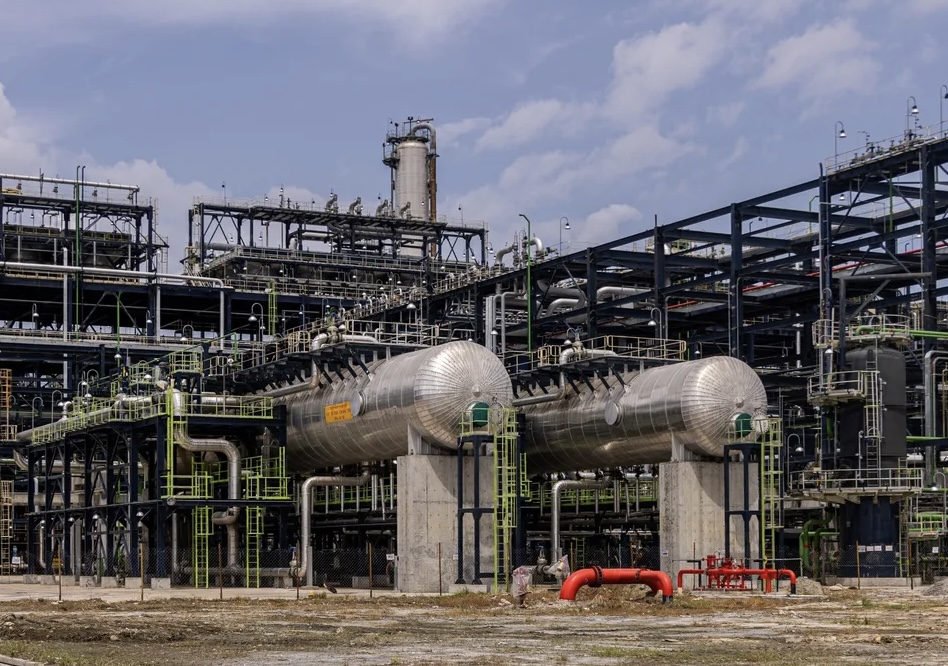
African energy stakeholders are mobilising an estimated $120 billion to construct six large-scale refineries comparable to the Dangote Petroleum Refinery, in a bold move to shield the continent from global supply shocks and reduce reliance on imported fuel.
The initiative, discussed at the ARDA Week in Cape Town, reflects growing urgency to expand refining capacity amid persistent disruptions in global oil and gas supply chains.
Industry leaders warned that Africa’s continued dependence on imported petroleum products, despite abundant crude reserves, poses a major risk to long-term energy stability.
Global Energy Shock Drives Coal Resurgence
Supply disruptions linked to tensions around the Strait of Hormuz have tightened Liquefied Natural Gas (LNG) markets, forcing countries in Europe and Asia to revert to coal for power generation.
According to Wood Mackenzie, benchmark coal prices have surged significantly in recent months, highlighting how energy security concerns are overriding global decarbonisation commitments.
Major coal-exporting countries are benefiting from increased demand, while industrial economies scramble for reliable alternatives amid uncertain gas supplies.
Over 130 civil society organisations have urged global leaders at the International Monetary Fund and World Bank Spring Meetings to end the ongoing conflict in South West Asia and impose windfall taxes on oil and gas companies.
The groups argue that energy firms are on track to earn up to $234 billion in excess profits, while consumers worldwide face rising fuel costs and worsening economic hardship.
Activists also called for investments in renewable energy, debt relief for developing nations, and a permanent resolution to the conflict driving market instability.