

KEY POINTS
- Oil prices rose over 1% as doubts grow over the success of U.S.–Iran peace talks.
- Disruption in the Strait of Hormuz has impacted up to 13 million barrels of oil per day.
- Falling U.S. inventories and stricter sanctions are intensifying global supply pressures.
Global oil prices rose by more than 1% on Thursday, recovering from earlier losses as traders grew increasingly doubtful that ongoing diplomatic efforts between the United States and Iran would produce a swift resolution to the conflict disrupting energy flows from the Middle East.
Brent crude futures climbed to $96.61 per barrel, while U.S. West Texas Intermediate (WTI) rose to $92.46. The rebound reflects growing market anxiety that peace negotiations may not yield immediate results, prolonging supply disruptions.
Analysts say the market remains highly reactive to conflicting signals. While optimism occasionally surfaces around potential agreements, it is often offset by counter-developments that reinforce uncertainty.
Hormuz Disruption Continues to Shake Global Energy Supply
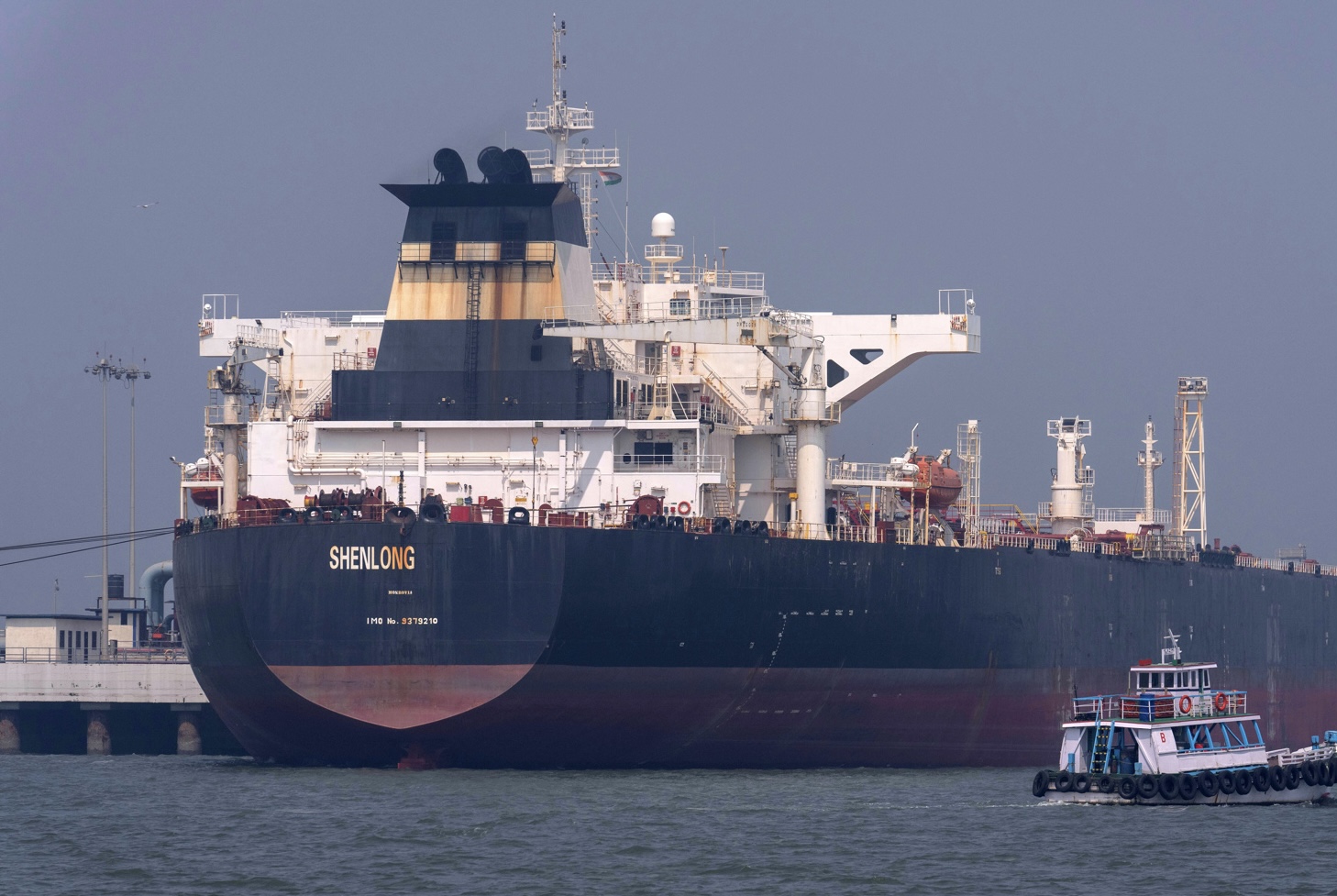
At the heart of the crisis is the strategic Strait of Hormuz, a critical global energy corridor responsible for transporting roughly 20% of the world’s oil and liquefied natural gas.
The ongoing U.S.-Israeli conflict with Iran has severely disrupted traffic through the strait, halting shipments and tightening global supply. Analysts estimate that up to 13 million barrels per day have been affected, even after accounting for alternative pipeline routes and limited tanker movement.
The situation has been further complicated by a U.S. blockade on Iranian ports following the breakdown of earlier peace talks, raising fears of even deeper supply constraints.
There are indications that diplomatic engagement may resume soon. U.S. and Iranian officials are reportedly considering fresh talks in Pakistan, with mediation efforts underway.
Iran has floated a proposal that could allow safe passage for ships through the Omani side of the Strait of Hormuz if a broader agreement is reached. This comes after a two-week ceasefire that began on April 8, offering a narrow window for negotiations.
Meanwhile, Israel is also reassessing its military posture in the region, including discussions involving neighbouring Lebanon, as tensions with Iran-backed Hezbollah persist.