

KEY POINTS
- Energy leaders at the ARE forum urged Africa to accelerate action on the electricity access gap.
- COMESA warned that up to 80% of Africa’s energy projects fail before reaching investment stage.
- Kenya is emerging as Africa’s leading renewable energy market driven by strong geothermal resources.
Energy leaders gathering in Nairobi have delivered a pointed message: Africa is moving too slowly on electricity access, and the window to change that is narrowing.
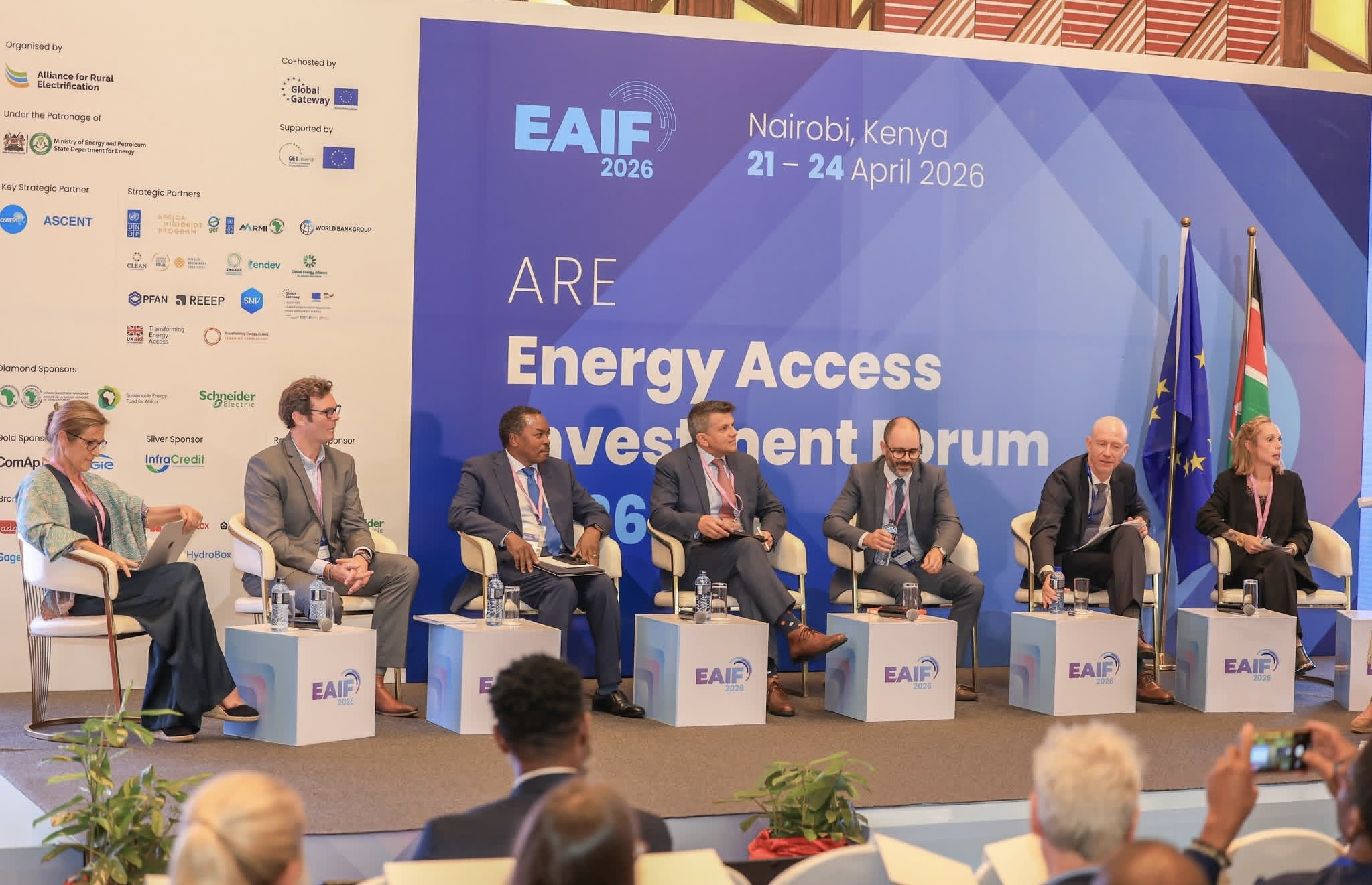
The Alliance for Rural Electrification’s Energy Access Investment Forum brought together financiers, policymakers and private sector players to assess where the continent stands. The headline concern was familiar but the urgency was sharper. Millions of Africans still have no electricity, and the gap is not closing fast enough.
ARE CEO David Lecoque put it plainly. “The fundamental issue is the huge energy access gap in Africa. We must double down efforts to close it, especially because renewable energy offers the most affordable pathway for the continent,” he said, pointing to solar, hydro and geothermal as Africa’s structural advantages.
The financing gap and why projects keep failing
The numbers behind the problem are uncomfortable. Mohamed Kadah, Assistant Secretary General at COMESA, said up to 80% of energy projects on the continent fail somewhere between the feasibility and investment stages. Africa also receives less than 2% of global energy investment despite having the highest need of any region.
The EU said it is trying to change that math. Henriette Geiger, the EU Ambassador to Kenya, said the bloc is combining grants and soft loans through its Global Gateway initiative to back major infrastructure. Her condition for more: African governments must strengthen regulatory frameworks to pull in private capital.
The African Development Bank’s Sustainable Energy Fund for Africa is also working the de-risking angle, offering concessional financing, guarantees and technical assistance to make projects bankable. Schneider Electric added its own number to the conversation, noting it has invested over $90 million and mobilized more than $470 million since 2009 to support early-stage energy access companies.
Kenya as the model
Kenya is the forum’s host for a reason. The country generates a significant portion of its electricity from renewables including geothermal, hydro, wind and solar, making it one of Sub-Saharan Africa’s most advanced clean energy markets. Stakeholders at the forum held Kenya up as proof that stable regulation and targeted investment can attract global capital.
The message to the rest of the continent was direct: replicate the conditions, and the capital will follow. The harder question, left hanging in Nairobi, is how many more years Africa can afford to spend asking the same question.