KEY POINTS
- NUPRC and NLNG are working to increase domestic gas supply amid rising demand.
- NLNG now dedicates 100% of its LPG production to the Nigerian market.
- A major expansion project is expected to boost gas output by about 35 percent.
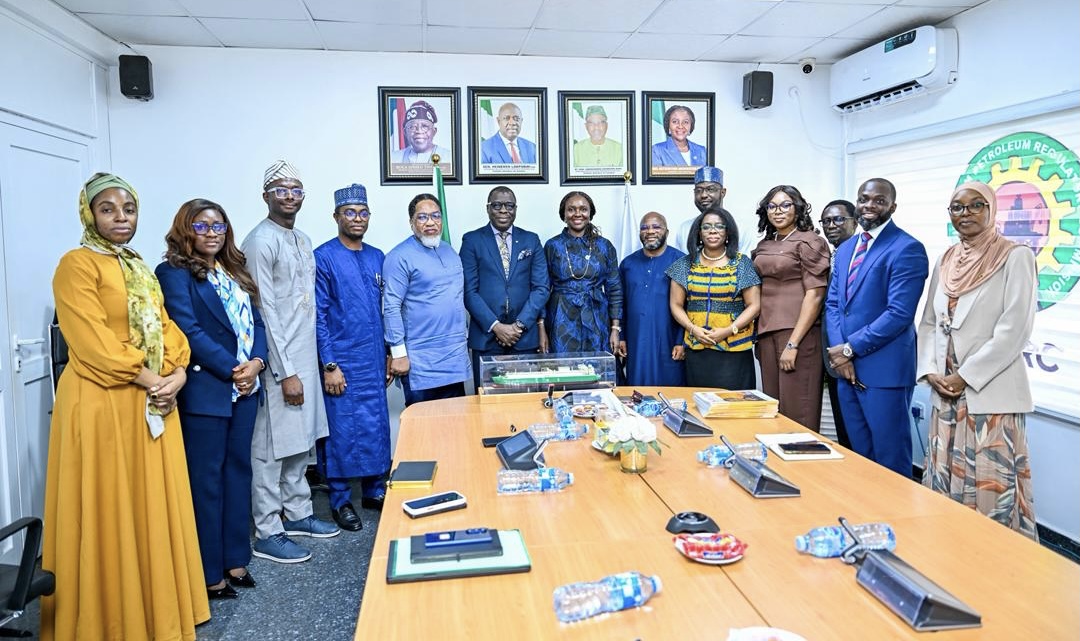
The Nigerian Upstream Petroleum Regulatory Commission, NUPRC, and Nigeria LNG Limited, NLNG, have stepped up efforts to increase domestic gas supply in Nigeria. The move comes as rising demand for liquefied petroleum gas (LPG) pushes NLNG to dedicate its entire production to the local market.
Officials say the collaboration is part of broader reforms aimed at strengthening Nigeria’s gas sector and ensuring more reliable supply for households and industries.
The Chief Executive of NUPRC, Oritsemeyiwa Eyesan, said the regulator is intensifying reforms to support the Federal Government’s gas expansion agenda. She explained that recent policy changes are designed to remove bottlenecks and make the upstream sector more efficient.
According to her, the commission is working to improve the ease of doing business while resolving industry issues through regular stakeholder engagements. She added that these efforts are already improving investor confidence and encouraging new investments.
“Decade of Gas” strategy gains momentum
The NUPRC leadership also highlighted the Federal Government’s “Decade of Gas” initiative, describing it as a practical framework rather than just a policy aspiration. The programme is aimed at expanding domestic gas use while also boosting export capacity.
Officials say the strategy is beginning to show results, especially in increasing local gas availability for cooking and industrial use. However, operators in the sector have been urged to match government efforts with stronger compliance and investment commitments.
The Managing Director of NLNG, Adeleye Falade, said growing demand for cooking gas in Nigeria has significantly changed the company’s supply strategy. He revealed that NLNG now directs 100 percent of its LPG production to the domestic market.
He explained that this shift is not due to reduced production but rather increased local demand, which has reshaped supply priorities. The move is aimed at improving gas access within Nigeria and stabilising supply for consumers.
Looking ahead, NLNG says production capacity is expected to increase significantly with the completion of the Train 7 project. The project is projected to boost output by about 35 percent once operational.
The expansion is expected to strengthen both domestic supply and export potential, helping Nigeria meet rising energy demand while also improving revenue from gas exports.