KEY POINTS
- Kenya Power’s e-mobility revenues reached Sh382 million as EV electricity sales grew 113-fold in three years.
- Monthly EV charging revenue rose from Sh873,907 in July 2023 to a peak of Sh35 million in February 2026.
- Kenya had over 35,000 registered EVs by end of 2025, up from just 796 units three years earlier.
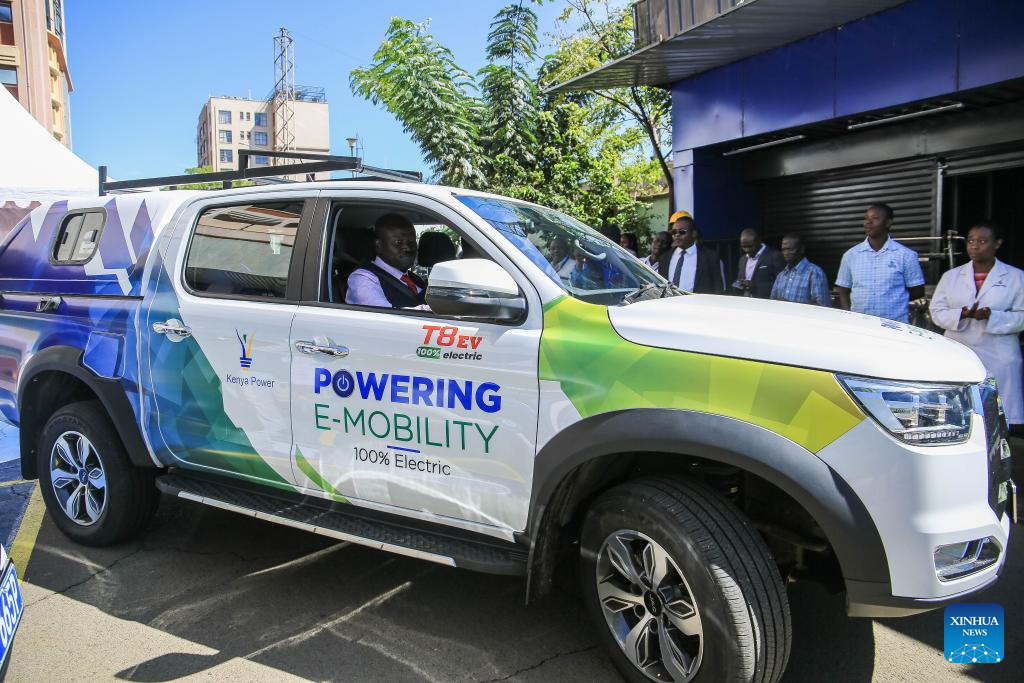
Kenya Power’s bet on electric vehicles is paying off faster than anyone anticipated. The utility’s e-mobility revenues have reached Sh382 million, driven by a 113-fold surge in electricity sales to the EV sector in under three years, a number that managing director Joseph Siror says makes one thing clear: this is no longer a pilot program.
“EV adoption is no longer a pilot, but a mainstream reality,” Siror said, citing figures from the utility’s E-mobility Sales Growth Analysis Report covering July 2023 through April 2026.
The pace of that shift is striking. Monthly EV charging revenues climbed from Sh873,907 in July 2023 to a peak of Sh35 million in February 2026. Electricity volumes followed the same trajectory, rising from 13,500 kilowatt-hours in July 2023 to over 1.5 million kilowatt-hours in April 2026. The sector crossed a key milestone in November 2025, surpassing one million kilowatt-hours sold in a single month, a level it has maintained consistently since.
Nairobi leads but the regions are catching up
Nairobi accounts for 71 percent of cumulative e-mobility revenue, reflecting its head start in charging infrastructure and EV fleet concentration. The Coast, North Eastern and Western regions are registering early uptake, signaling that the market is beginning to spread beyond the capital.
That geographic broadening aligns with what the Electric Mobility Association of Kenya describes as a structural shift in the country’s transport landscape. Kenya had registered over 35,000 EVs by the end of 2025, up from just 796 units three years earlier. Two-wheelers and three-wheelers have driven most of that growth, reflecting the economics of boda bodas and tuk-tuks in urban and peri-urban markets where fuel savings are most immediately felt.
What the numbers mean for Kenya’s energy mix
Kenya Power’s e-mobility growth is not just a revenue story. It represents a meaningful new demand stream for a utility that has historically struggled with underutilised generation capacity. EV charging, particularly when distributed across off-peak hours, offers a way to absorb surplus power and improve the economics of the national grid.
The consistent monthly volumes above one million kilowatt-hours since November 2025 suggest that demand is now structural rather than seasonal or event-driven. Kenya’s combination of a renewable-heavy generation mix, a large informal transport sector and rising fuel costs continues to create favourable conditions for accelerated EV adoption across income levels and regions.