KEY POINTS
- Nigeria’s non-oil export value grew 93 percent over five years to reach $6.17 billion in 2025.
- The Logistics Benchmark Index scored just 12.8 out of 100, the weakest metric in the entire study.
- Over 71 percent of all exports now exit through just two Lagos ports, raising national supply risk.
Nigeria’s non-oil exporters are confident, growing and increasingly locked out of the gains they are generating. A new industry report makes that contradiction plain and puts a number on it: a 75-point gap between how good exporters feel about the market and how badly the system is actually working.
The 3T Impex Non-Oil Export Index Report 2026, published Wednesday by 3T Impex Trade Consulting, synthesized data from 87,824 export transactions between 2021 and 2025, alongside a sentiment survey of 94 active exporters across Nigeria’s six geopolitical zones.
The headline figures are strong on the surface. Total export value grew 93 percent over five years to reach $6.17 billion in 2025. The Business Confidence Index scored 87.8 out of 100. The Predictive Outlook Index hit an exceptional 92.8, with 83 percent of exporters planning to invest and expand capacity.
Then the logistics numbers arrive.
A structural emergency, not a policy inconvenience
The Logistics Benchmark Index scored 12.8 out of 100, the weakest metric in the entire study. Some 77.7 percent of exporters reported increased inland transport and port handling costs over the review period. The report described the situation plainly: “When 77.7 percent of exporters face rising logistics costs while simultaneously recording the strongest sentiment scores, the system is trapping its own best performers.”
Energy is the other emergency. Some 51.1 percent of exporters named high energy and processing costs as their single biggest barrier, a constraint forcing many to abandon value-addition entirely and revert to exporting raw commodities. Another 28.7 percent cited quality and standardization rejections as their top constraint, pointing to gaps in certification infrastructure needed to meet requirements like the EU Deforestation Regulation.
Smaller exporters are being pushed out
The transaction data tells a sharper story than the revenue numbers. While total export value climbed, the actual number of transactions fell from 18,280 in 2021 to 16,683 in 2025. Smaller businesses are being priced out of the formal export system by logistics overheads they cannot absorb.
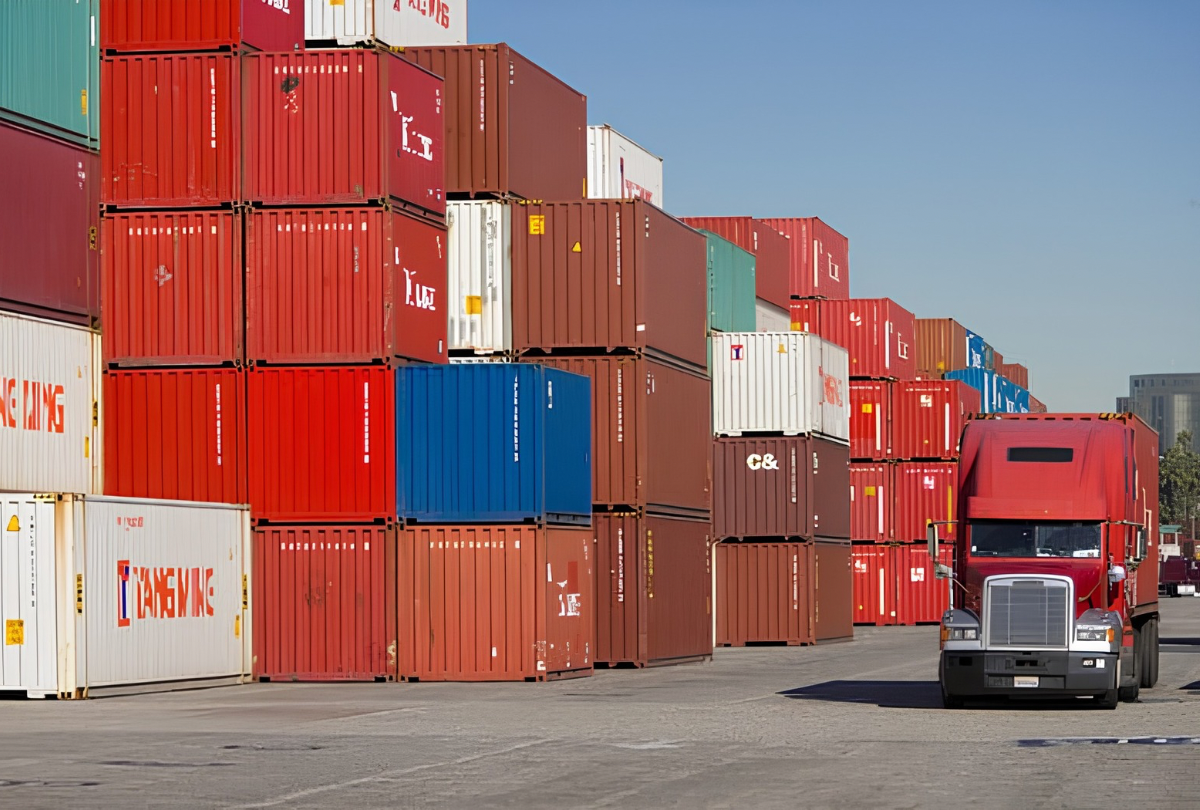
Port concentration adds another layer of national risk. Some 71.7 percent of all exports now leave through just two Lagos ports, Tincan Island and Apapa, with Tincan’s share alone reaching 45.9 percent in 2025.
The report called for urgent policy action including activating Onne Port to relieve Lagos congestion, resolving grid power reliability in export zones, expanding NEXIM export credit insurance, and creating logistics-linked pre-export financing to support struggling businesses.